Editor’s Note: The most reliable signs of potty training readiness include staying dry for two hours, expressing discomfort with soiled diapers and showing a desire for independence.
Knowing exactly when to transition away from diapers can feel completely overwhelming. Instead of guessing, observing interconnected physical, cognitive, and emotional milestones reveals your child’s true capability.
Approaching this developmental stage with patience rather than pressure ensures a smoother, highly supportive experience for the entire household.
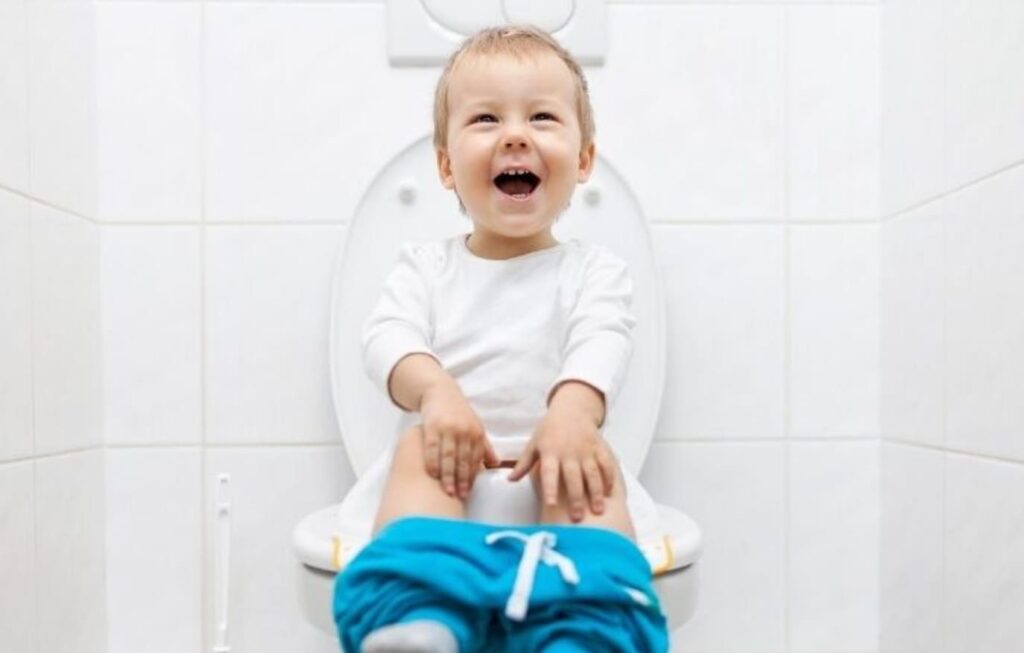
A Parent Experience: You Are Not Alone in Potty Training
We have been exactly where you are right now, standing in the diaper aisle wondering if it is time to buy training pants. It is completely common to feel a mix of excitement and anxiety about leaving diapers behind.
You might watch other parents celebrate successes while your little one still happily hides to do their business. Please take a deep breath; every child blooms on their beautifully unique timeline, and your parental intuition is profoundly valuable.
The Essential Physical Milestones
Before introducing a plan, your little one must possess the biological capacity to control bodily functions. According to pediatric guidelines, true bladder consolidation typically develops between eighteen and twenty-four months. You will notice their diaper remains completely dry for extended periods, spanning at least two consecutive hours during the day.
Waking up dry from a restorative afternoon nap is another fantastic biological indicator that their bladder capacity is steadily maturing enough to handle the upcoming training journey.
Beyond bladder capacity, bowel movements become surprisingly predictable when a child is physically prepared. You might notice they soil their diaper at specific times, like after breakfast or before their evening bath. This predictable rhythm indicates their digestive system is establishing a mature routine.
Combined with these patterns, they need the core physical coordination to easily walk to the bathroom, maintain balance while sitting securely, and smoothly pull their comfortable clothing up and down without extreme frustration.
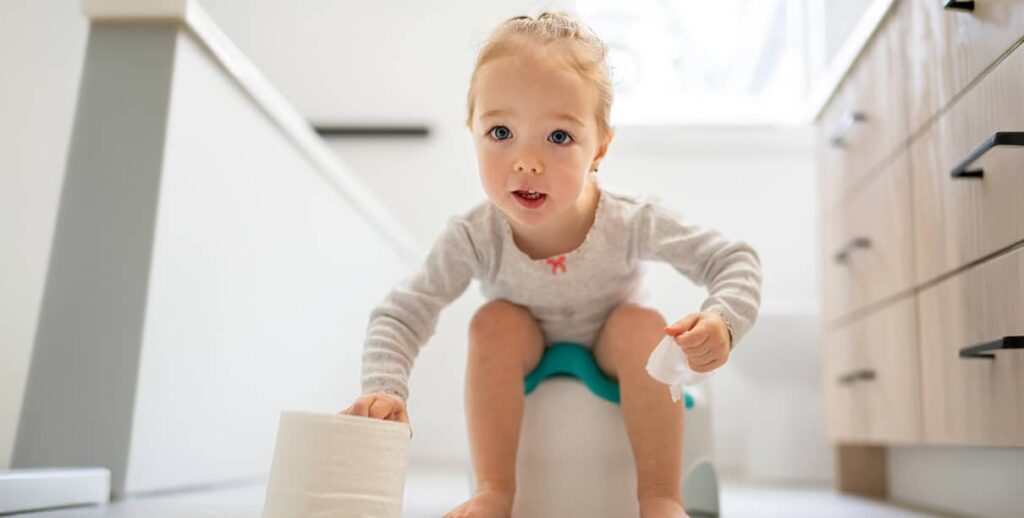
The Importance of Gross Motor Coordination
Gross motor skills play an entirely underappreciated role in achieving complete bathroom independence. If your toddler can effortlessly climb onto the couch or navigate stairs with alternating feet, they likely have the pelvic stability required to sit on a toilet seat safely.
These physical achievements form the foundational biological scaffolding necessary for success. Encouraging these playful movements naturally prepares their growing bodies for the physical demands of independently using bathroom facilities.
Cognitive and Communication Clues
A child’s brain must be mature enough to forge the critical connection between the internal sensation of needing to eliminate and the physical act itself. Cognitive readiness becomes evident when your toddler starts seeking privacy, perhaps retreating behind a curtain when having a bowel movement.
This subtle hiding behavior beautifully demonstrates that they are deeply aware of what their body is doing. Acknowledging this profound awareness without judgment sets a remarkably positive foundation for introducing the potty chair.
Effective communication serves as another vital cognitive bridge during this transitional period. Your child does not necessarily need a vast vocabulary to succeed, but they must be capable of expressing basic needs. Look for these specific interaction styles:
- Accurately pointing to a wet or heavily soiled diaper.
- Explicitly telling you they have just gone or are currently going.
- Successfully following two-step instructions, like walking to the bathroom. Demonstrating these cause-and-effect reasoning skills highlights their growing mental maturity beautifully.
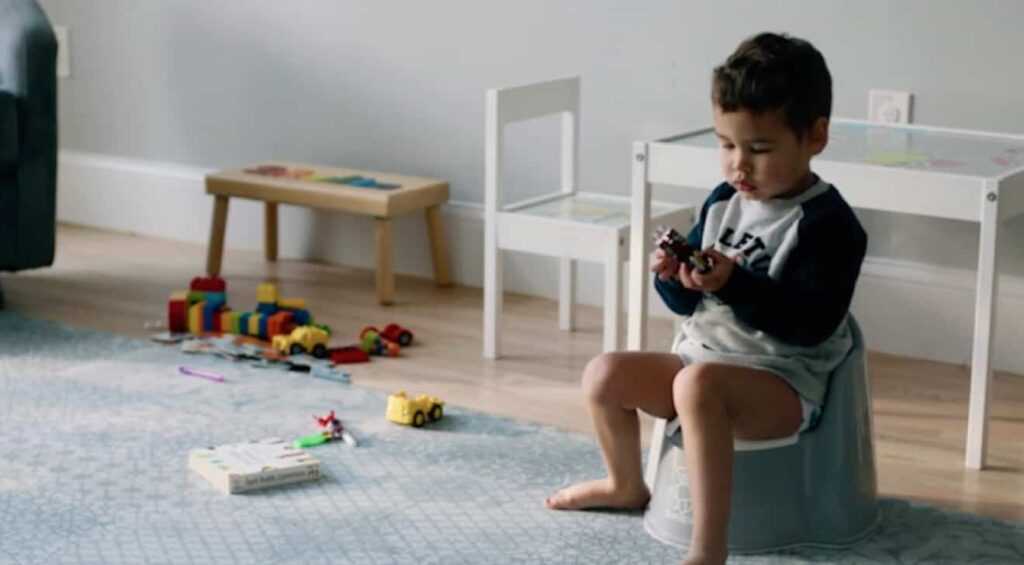
Emotional and Behavioral Readiness
Emotional readiness is frequently the final piece of the developmental puzzle to fall into place. A genuinely prepared toddler will often exhibit a fierce craving for personal independence, frequently insisting on completing everyday tasks entirely by themselves. This intrinsic motivation is absolute gold when channeled toward bathroom habits.
Conversely, if your child is experiencing significant life changes like a new sibling or a recent move, their emotional bandwidth might be too stretched to accommodate this massive learning curve safely.
You will also notice a distinct shift in how they tolerate physical discomfort. A child approaching readiness often becomes highly irritated by a soiled diaper, explicitly demanding an immediate change. They might even try pulling the wet diaper off in frustration.
Additionally, a budding curiosity about the bathroom habits of older siblings indicates a psychological willingness to participate. Cultivating this natural curiosity by casually explaining the process helps normalize the routine and significantly reduces any lingering apprehensions.
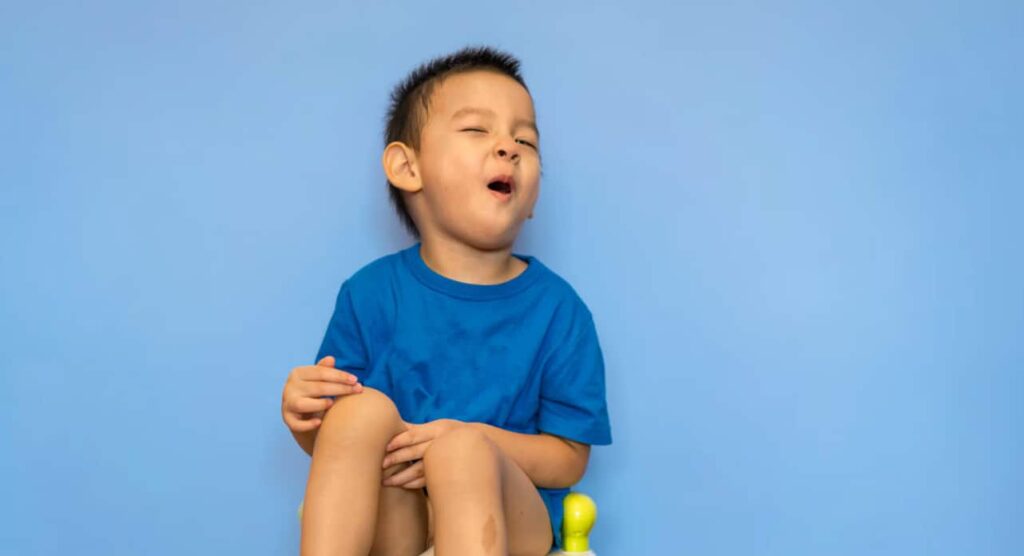
Medical Guidelines and Timing Issues
Clinical observations suggest that initiating the training process before a child exhibits readiness signs often leads to prolonged frustration. Pushing a toddler who lacks emotional or physical maturity can inadvertently trigger withholding behaviors, constipation or severe bathroom anxiety.
Pediatric professionals consistently emphasize that age alone is an unreliable metric for determining when to begin. Instead of obsessing over calendar milestones, caregivers should focus entirely on observing the unique behavioral and physical cues their specific child is consistently displaying.
It is equally crucial to recognize that occasional regressions are a completely normal aspect of this developmental trajectory. Even children demonstrating profound readiness might experience temporary setbacks during periods of illness or emotional stress.
Maintaining a supportive, remarkably patient environment during these inevitable hiccups reinforces your child’s inherent sense of security. Providing gentle encouragement rather than expressing overt disappointment ensures they view the bathroom as a safe space where their ongoing learning process is compassionately supported.

Complete Readiness Checklist
To help synthesize these various developmental milestones, we have compiled a straightforward evaluation tool. Review the following structured checklist to determine if your little one is exhibiting the necessary biological, cognitive and emotional indicators.
Remember that your child does not need to perfectly display every single sign listed below, but observing a strong majority of these distinct behaviors strongly suggests they are fully prepared to begin their exciting journey toward bathroom independence.
| Developmental Category | Key Indicators of Readiness | Specific Behaviors to Observe in Your Toddler |
|---|---|---|
| Physical Milestones | Bladder capacity & coordination | Diaper stays dry for 2+ hours; walks to bathroom easily. |
| Cognitive Clues | Awareness & communication | Hides during bowel movements; follows basic verbal commands. |
| Emotional Maturity | Independence & discomfort | Wants to do tasks alone; vigorously hates wet diapers. |
Frequently Asked Questions
Navigating this developmental milestone naturally brings up a multitude of specific concerns for proactive parents. To provide further contextual clarity and actionable support, we have addressed some of the most common inquiries regarding the early signs of potty training readiness.
Reviewing these targeted answers can help alleviate lingering doubts and empower you to make the best possible decisions for your unique household dynamic.
What if my child shows physical but not emotional signs?
When a toddler demonstrates physical capabilities like staying dry but violently resists using the toilet, they simply lack emotional readiness.
Pushing them during this sensitive phase almost always backfires, leading to unnecessary power struggles and harmful withholding behaviors. The most compassionate approach is gently pausing active training efforts entirely.
Continue reading related picture books and modeling positive behaviors without applying direct pressure until their emotional maturity naturally aligns with their physical biology.
Does gender play a role in potty training timelines?
According to pediatric observations, girls often demonstrate biological and emotional signs of readiness slightly earlier than boys.
However, this is a broad statistical generalization rather than a strict developmental rule. Every individual child possesses a deeply unique neurological and physical growth trajectory. Evaluating your specific toddler based entirely on their personal behavioral cues, rather than cultural expectations surrounding their gender, remains the most scientifically sound and supportive approach to identifying true readiness.
How long should we wait if a major regression happens?
If a significant regression occurs due to illness or a stressful life event, experts generally recommend completely backing off for four to eight weeks.
Returning temporarily to diapers or pull-ups removes immediate performance anxiety and allows their nervous system to fully reset. Use this vital break to re-establish a foundation of emotional security before gently reintroducing the concept. Waiting for clear, unprompted signs of renewed interest guarantees a much smoother experience during your subsequent attempt.
Moving Forward With Confidence
Transitioning away from diapers represents a profound leap in your little one’s personal development and ongoing quest for independence. By carefully observing their physical capabilities, cognitive awareness and emotional eagerness, you can definitively pinpoint the optimal moment to begin.
Trusting your parental intuition while relying on these proven developmental milestones allows you to bypass the stress of arbitrary societal timelines. You are beautifully equipped to guide them with the unwavering patience they truly deserve.
As you prepare for this upcoming milestone, focus on creating an inviting and completely stress-free bathroom environment. Invest in a comfortable potty chair and allow your toddler to explore it entirely on their own terms.
Celebrate their emerging curiosity without attaching rigid expectations to their immediate performance. By maintaining a relaxed, supportive atmosphere, you are actively laying the groundwork for a highly successful transition that confidently honors their distinctly unique developmental rhythm.