Editor’s Note: Potty training resistance is often a natural developmental indicator that a child is not yet physically or emotionally prepared for toilet independence, suggesting parents should pause and observe readiness signs.
According to pediatric experts, pushing a toddler before their nervous system and bladder control mature can lead to severe withholding behaviors and prolonged anxiety. Many parents worry in this situation, fearing they are failing or their child is falling behind, which is completely normal.
However, honoring your child’s unique timeline by recognizing these biological cues is observed to be the most effective method for long-term success.
From A Parent’s View
In my own journey managing parenting resources and raising my kids, I clearly remember the intense pressure to ditch the diapers by age two. When one of my children began showing intense potty training resistance, hiding behind the sofa and crying at the sight of the bathroom,
I initially felt overwhelmed and defeated. Once I stepped back, stopped forcing the toilet routine, and waited for clear signs of emotional readiness, the transition happened almost effortlessly a few months later. Creating a safe, pressure-free environment transforms this challenging milestone from a battlefield into a natural progression of child development.

Potty Training Resistance: The Deep Causes
The fundamental root of potty training resistance typically stems from a mismatch between parental expectations and the toddler’s actual physiological or psychological maturation levels.
Developmental psychologists emphasize that toilet learning is a complex neurological process requiring the brain to communicate effectively with pelvic floor muscles. When a child lacks this specific neurological maturity, they simply cannot process the bodily sensations required to successfully use the toilet.
Many parents worry in this situation, feeling frustrated by frequent accidents, which is completely normal. Recognizing that this resistance is rarely deliberate defiance is the first step toward a peaceful resolution.
From a psychological perspective, the toddler years are deeply defined by a burgeoning desire for bodily autonomy and independent decision-making. When adults apply excessive pressure to master potty training, toddlers often respond with strong oppositional behavior as a means to assert control over their own bodies.
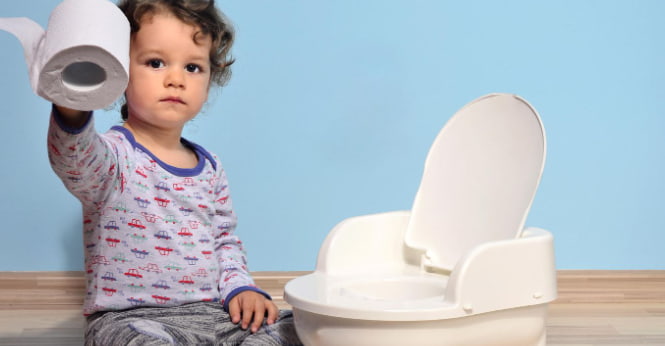
According to child behaviorists, this power struggle can quickly escalate, turning the bathroom into a high-stress environment that triggers a fight-or-flight response. Easing this pressure and allowing the child to take the lead is frequently observed to reduce defensive reactions and foster a more cooperative mindset over time.
Physical Readiness: Identifying Bladder Control Delays
A primary physical sign that a child isn’t ready for toilet independence is the inability to keep a diaper dry for at least two consecutive hours.
This specific milestone indicates that the bladder capacity has not yet expanded enough to store urine effectively, rendering potty training physically impossible at that moment. Medical professionals note that pushing a child before this biological marker is reached often results in chronic daytime wetting and deep frustration.
Many parents worry in this situation, comparing their child to peers, which is completely normal, but biology simply cannot be rushed.
Emotional Readiness: Managing Toddler Independence Phases
Emotional readiness is confirmed when a child demonstrates a genuine curiosity about the bathroom habits of others and expresses a desire to wear big kid underwear.
Without this intrinsic motivation, any external pressure can trigger severe potty training resistance, leading to behavioral regressions and heightened anxiety. Child psychologists observe that toddlers must feel emotionally secure to let go of their waste, which they often perceive as a part of their own body.
Many parents worry in this situation, viewing reluctance as stubbornness, which is completely normal, but it is usually a sign of emotional immaturity.

Behavioral Signs of Potty Training Resistance
The most obvious behavioral indicators of potty training resistance include outright refusal to sit on the toilet, hiding to soil the diaper, and exhibiting extreme distress during bathroom transitions.
When children feel overwhelmed by the toilet learning expectations, they often resort to avoidance tactics to protect their emotional boundaries. According to developmental experts, recognizing these stress signals early prevents the formation of negative bathroom associations that can persist for years.
Many parents worry in this situation, feeling completely stuck, which is completely normal. Observing these behaviors objectively helps caregivers adjust their approach effectively.
To better understand the spectrum of these behaviors, it is crucial to categorize the signs into distinct physical and emotional reactions. Tracking these patterns allows parents to determine whether the core issue is rooted in biological immaturity, sensory processing difficulties, or a psychological power struggle.

Detailed Behavior Tips Table for Parents
Data from pediatric studies highlights that accurately diagnosing the type of resistance dictates the success rate of subsequent interventions. Below is a structured table outlining the primary behavioral red flags that indicate a child is likely not yet ready to abandon their diapers.
By analyzing these specific behavioral cues, caregivers can implement a much more tailored and compassionate strategy, avoiding the pitfalls of forceful training methods.
| Resistance Behavior | Underlying Cause | Recommended Parental Action |
| Hiding to poop | Need for privacy, fear of letting go | Stop training, allow diaper use in a safe space |
| Chronic constipation | Fear of pain, active stool withholding | Consult a pediatrician, increase dietary fiber |
| Crying near the toilet | Sensory overload, fear of flushing/falling | Introduce a small, stable potty chair outside |
| Frequent “accidents” | Lack of bladder awareness, physical immaturity | Return to diapers without shame or punishment |
Withholding Behaviors: Constipation and Fear of the Toilet
Withholding stool is one of the most dangerous forms of potty training resistance, often leading to chronic constipation and painful bowel movements that further reinforce the child’s fear.
When a child associates the toilet with physical pain, a vicious cycle begins where they actively tighten their pelvic floor muscles to prevent elimination. Medical practitioners observe that this behavior can stretch the lower intestine, leading to severe gastrointestinal complications over time.
Many parents worry in this situation, fearing medical intervention, which is completely normal. Addressing the root fear immediately is critical to preventing long-term health issues.

Regression Patterns: Reverting to Diapers After Progress
Experiencing sudden accidents after a period of success is a classic regression pattern often triggered by major life transitions, such as a new sibling, moving houses, or starting preschool.
This specific type of potty training resistance is rarely a loss of physical skill, but rather an emotional coping mechanism to seek comfort and parental attention. Child psychologists note that regression is a healthy, expected response to stress in early childhood development.
Many parents worry in this situation, feeling they have failed, which is completely normal. Offering unconditional reassurance quickly stabilizes the child’s emotional state.
Strategies Overcoming Potty Training Resistance
The most effective strategy for overcoming intense potty training resistance is to temporarily pause all training efforts for at least one to three months, completely removing the pressure.
This deliberate break allows the child’s nervous system to reset, erasing the negative associations they have built around the bathroom routine. According to early childhood educators, taking a step back is not a failure, but a strategic move that honors the child’s developmental pace.
Many parents worry in this situation, fearing they will miss a critical window, which is completely normal. However, hitting the reset button often yields miraculous results.
When you are ready to cautiously reintroduce the concept, employing child-led strategies ensures that the toddler feels empowered rather than commanded. This involves creating a highly supportive environment where the child has full autonomy over their bodily functions and bathroom visits.
Potty Training Resistance Adjustments
Experts observe that providing choices, rather than issuing demands, dramatically lowers defensive barriers and encourages intrinsic motivation. To foster this sense of independence and gradually eliminate potty training resistance, consider implementing the following evidence-based gentle parenting techniques into your daily routine:
By integrating these consistent adjustments, you create a Blue Ocean Strategy for parenting—moving away from the stressful competition of early milestones into a peaceful, highly supportive space.
- Offer Autonomy: Let your child choose their own fun underwear, select their potty chair, or pick the soap they want to use.
- Model Behavior: Keep the bathroom door open to normalize toilet usage, demonstrating that it is a safe, everyday activity.
- Praise the Process: Celebrate sitting on the potty or trying, rather than solely rewarding successful elimination, to reduce performance anxiety.
- Read Educational Materials: Integrate engaging potty books and animated shows about toilet learning into their daily playtime.
- Ditch the Timers: Avoid forcing the child to sit on the toilet every thirty minutes, which often triggers intense oppositional behavior.
Shifting Perspectives on Potty Training Resistance
Reframing potty training resistance from a behavioral battle into a valuable communication tool allows parents to deeply understand their child’s unique biological and emotional needs.
Approaching this developmental milestone with a relaxed mindset means leaving behind the stressful, competitive expectations of early training and sailing toward a peaceful, child-centered approach. Pediatric professionals emphasize that children naturally want to grow and master new skills when their bodies are genuinely ready.
Many parents worry in this situation, letting societal pressure dictate their actions, which is completely normal. Choosing empathy over urgency transforms the entire parenting experience.
Frequently Asked Questions (FAQ) and Answers
How long should I wait to try again after pausing potty training?
If your child exhibits severe potty training resistance, pediatric experts generally suggest pausing all active training efforts for a minimum of four to eight weeks.
Is withholding poop a normal part of toilet learning?
While it is a common reaction to fear, withholding stool is a serious issue that requires immediate attention to prevent chronic constipation. When toddlers are afraid of the sensation of letting go, they tighten their pelvic floor muscles, causing pain that reinforces their severe anxiety.
Should I use a rewards system to overcome resistance?
Using rewards like stickers or candies can work for children who are physically ready but simply lack motivation; however, it often backfires with true potty training resistance.
If a child lacks neurological maturity, offering a reward for something they physically cannot control only increases their deep frustration and performance anxiety.


Pingback: Is Your Toddler Ready to Potty Train? Key Signs & Tips