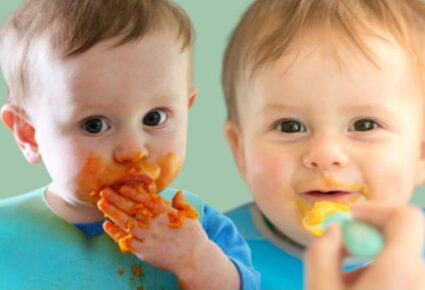
Editor’s Pick: According to modern pediatric guidelines, the most effective way to introduce eggs to your baby is by offering thoroughly cooked, mashed portions right around six months of age.
While offering these early tastes, parents must carefully watch for common egg allergy baby signs, which frequently include sudden hives, facial redness, digestive upset or persistent vomiting.
Starting this journey with clear information helps families navigate the delicate transition to solid foods safely, ensuring that potential allergic reactions are identified and managed promptly before they escalate into more severe health concerns.

Experience Time: You Are Not Alone in This Journey
Serving that very first spoonful of a known allergen feels incredibly daunting for almost every parent stepping into the world of starting solids. We have been there too, hovering anxiously over the highchair, overanalyzing every single rub of the eye or slight cough during mealtime.
It is completely natural to feel a heavy weight of responsibility when nourishing your little one. Instead of letting fear dictate mealtime, equipping yourself with reliable, science-backed knowledge transforms this milestone from a nerve-wracking ordeal into a celebrated moment of growth, allowing you to breathe easier while watching your child explore new flavors.
The New Landscape of Early Allergen
For generations, families were advised to delay giving potential allergens, creating a culture of avoidance that inadvertently contributed to rising food sensitivities. Today, clinical observations suggest a completely different approach, emphasizing that early and consistent exposure actually helps build infant immune tolerance.
Current pediatric guidelines strongly advocate for introducing well-cooked eggs alongside other safe, age-appropriate solid foods shortly after the six-month mark. This proactive method encourages your baby’s developing digestive system to recognize complex proteins as safe nourishment rather than dangerous invaders, fundamentally shifting how we approach the delicate starting solids timeline.

Transition Smoothly and Focusing
Making this transition smoothly requires focusing on the texture and preparation of the food, ensuring it aligns perfectly with your baby’s developmental readiness. Thoroughly cooking the egg alters its protein structure, making it significantly easier for a tiny, immature digestive tract to process safely.
Whether you choose to mash a hard-boiled yolk with familiar breastmilk or offer soft strips of an omelet for baby-led weaning, the goal remains building positive associations with food.
By taking slow, deliberate steps, parents create a relaxed dining atmosphere where both nutrition and culinary exploration can thrive beautifully.
Step-by-Step Strategies: Egg Tasting
When planning the inaugural tasting session, timing and environment play crucial roles in ensuring a safe, observable experience for your family. Experts generally recommend offering new allergenic foods early in the morning or during the early afternoon, ensuring you have plenty of daylight hours to monitor for any unusual changes.
Avoid introducing eggs on days when your baby is feeling unwell, teething heavily or receiving vaccinations, as these factors might easily mask or mimic true egg allergy. A calm, familiar setting helps keep everyone relaxed, turning a potentially stressful feeding into a peaceful bonding opportunity.
Blending the new protein with something your child already loves serves as a wonderful bridge for their expanding palate. Mixing a tiny fraction of a cooked, mashed egg yolk into familiar favorites like sweet potato puree, oatmeal, or mashed avocado reduces the sensory shock of a new flavor.

Preparation Method and Recommendations Table
Start with just a quarter of a teaspoon of the egg mixture, allowing your little one to process the taste and texture without feeling overwhelmed.
This gentle, graduated approach respects their pace, letting you incrementally increase the portion size over several consecutive days of successful, symptom-free feedings.
| Preparation Method | Safety Level | Pediatric Recommendation |
|---|---|---|
| Hard-Boiled & Mashed | Highly Safe | Excellent for early introduction; heat breaks down proteins effectively. |
| Fully Baked (in muffins) | Highly Safe | Often the most easily tolerated format for sensitive infant immune systems. |
| Lightly Scrambled | Caution | Must ensure absolutely no wet, shiny, or runny spots remain before serving. |
| Soft-Boiled / Runny | Unsafe | Avoid entirely during the first year; intact proteins significantly increase allergy risks. |
Why Cooking Methods Matter
The structural integrity of egg proteins changes dramatically depending on exactly how long and at what temperature they are cooked.
Clinical studies consistently demonstrate that extensively heated eggs, such as those baked directly into muffins or boiled until completely firm, are tolerated significantly better by sensitive immune systems.
Serving runny yolks, soft-boiled eggs, or lightly scrambled preparations to infants presents an unnecessary risk, as the proteins remain intact and highly allergenic.
Always prioritize well-done culinary methods during the first year of life to minimize potential risks while maximizing the nutritional benefits of this incredible superfood.

Recognizing Egg Allergy Baby Signs
Distinguishing between normal messy eating and an authentic allergic response remains one of the primary concerns for parents introducing solids. Egg allergy usually manifests within minutes to a couple of hours after the food enters the digestive tract, demanding close, continuous observation.
Common dermatological reactions often appear first, presenting as raised, intensely itchy hives around the mouth, rapid facial swelling or sudden flushed skin that looks distinctly different from regular irritation. Knowing precisely what visual cues to look for empowers caregivers to act swiftly and decisively, replacing generalized anxiety with focused, educated awareness.
Beyond obvious skin issues, the gastrointestinal system frequently signals distress when struggling to process an allergenic protein safely.

While occasional spit-up remains a standard part of infancy, certain digestive behaviors warrant closer pediatric attention. Watch out for these specific indicators:
- Severe and repeated vomiting directly following mealtime.
- Sudden, explosive diarrhea.
- Extreme fussiness pointing toward acute abdominal cramping. Documenting these specific symptoms in a feeding journal helps track patterns accurately, providing your pediatrician with invaluable, detailed information if you ever need to consult them regarding your child’s nutritional development.
Interpreting Severe and Systemic Reactions
Although extremely rare during initial tiny tastes, severe systemic reactions require immediate, emergency medical intervention without any hesitation. Anaphylaxis involves multiple bodily systems simultaneously, potentially presenting as sudden lethargy, a noticeable change in the baby’s vocal pitch or a pale, floppy appearance.
Respiratory distress, characterized by a tight, wheezing cough, repetitive gasping, or visible tugging at the chest muscles during inhalation, signifies a critical medical emergency.
Trusting your parental intuition remains vital; if your baby appears suddenly and unusually unwell after eating, bypassing the pediatrician’s office and heading straight to emergency care is always the safest choice.

What to Do If You Notice Symptoms
If you observe mild but definitive egg allergy, calmly stops the feeding immediately. Remove any remaining food from the tray and gently wash their face to eliminate lingering proteins. Keep them upright for observation rather than offering new foods, as you want a clear picture of how the reaction progresses over the next hour.
Once the meal is safely paused, contacting your healthcare provider becomes essential. Most pediatric offices will actively guide you through mild reactions, often advising on weight-based antihistamines.
Never reintroduce the allergen without explicit medical clearance and a structured plan from your trusted pediatric allergist.

Frequently Asked Questions
How long should I wait between introducing new allergenic foods to my baby?
Pediatric guidelines generally suggest waiting a minimum of three to five consecutive days before introducing another completely new allergenic food into your infant’s daily diet.
This deliberate, carefully monitored window allows observant parents to accurately pinpoint the exact dietary trigger if any unusual egg allergy or gastrointestinal issues suddenly arise.
By isolating these culinary variables, you maintain full control over the weaning timeline, effectively avoiding the deep confusion of trying to decipher which specific ingredient caused an adverse reaction if a complex, multi-ingredient meal was offered far too early in the process.
Can a baby outgrow a diagnosed egg allergy later in childhood?
Yes, clinical observations suggest that a significant majority of infants who display early egg allergy eventually outgrows the sensitivity by the time they reach early elementary school age.
Your pediatric allergist will likely recommend periodic testing or closely monitored baked egg challenges in a clinical setting to assess their evolving tolerance levels over the years.
This promising developmental trajectory means an early diagnosis is merely a temporary dietary detour rather than a permanent, lifelong culinary restriction, offering great hope and reassurance to families navigating the initial stress of early childhood food allergies.

Impacts of Your Baby’s Transition to Eggs
Navigating the diverse milestones of feeding your baby brings a unique blend of joyous exploration and understandable caution. Embracing this phase with a foundation of solid, evidence-based knowledge allows you to shed unnecessary anxieties and truly savor the messy, beautiful reality of starting solids together.
Every new flavor your child experiences builds the groundwork for a lifetime of healthy eating habits and robust immune function. While watching for potential egg allergy requires diligence, it is merely one small, manageable aspect of the incredibly rewarding journey of raising a thriving, well-nourished human being.
Trusting your parental instincts while relying on modern medical guidance creates the perfect balance for a safe, adventurous culinary environment at home. If questions or concerns ever cloud your confidence, remember that reaching out to your trusted pediatric team is always the best course of action for your peace of mind.