
Your Toddler is Ready to Potty Train? Physical and Emotional Signs
Editor’s Note: The most reliable signs of potty training readiness include staying dry for two hours, expressing discomfort with soiled
The first three years are packed with rapid growth and unpredictable changes. Understand your child’s physical and emotional leaps, from potty training readiness to handling separation anxiety. Build comforting, age-appropriate daily routines that support development while bringing calm and predictability to your family’s everyday life.
Editor’s Note: The most reliable signs of potty training readiness include staying dry for two hours, expressing discomfort with soiled
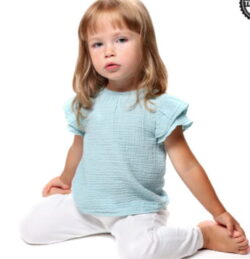
Parent’s Note: W-sitting in toddlers is generally harmless, but prolonged, exclusive use can strain developing hip joints and delay core

Mom’s Note: A baby’s mental leap is a rapid phase of neurological development where an infant perceives the world in

Editor’s Note: Potty training resistance is often a natural developmental indicator that a child is not yet physically or emotionally

Editor’s Note The Dunstan Baby Language is a scientifically observed framework that identifies five universal pre-cry sounds based on newborn

Editor’s Choice: Successful pacifier weaning requires transitioning your toddler with gentle, imaginative strategies rather than abrupt removal, ensuring their emotional

Editor’s Note: The key to eliminating tummy time tears is gradually introducing brief, highly engaging sessions rather than forcing long,

Editor’s Pick: Experiencing the back crawling phase is a completely normal and highly fascinating developmental milestone that simply highlights your

Editor’s Pick: Encouraging toddler speech development relies on creating a language-rich, responsive environment where communication is naturally modeled rather than

Editor’s Pick: Understanding baby milestones is about recognizing individual progress within a predictable biological framework, allowing parents to provide the