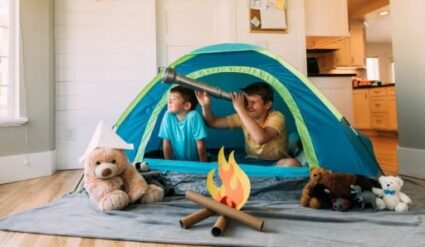
Editor’s Choice: Preparing for preschool is most effectively managed through narrative exposure; reading books that mirror the school experience helps toddlers visualize their day, understand classroom routines, and normalize separation, thereby significantly reducing first-day anxiety.
The transition to early childhood education is a major milestone that requires both practical and emotional school readiness strategies. Books act as a bridge between home and the classroom, offering children a safe way to explore the “unknown” of a new environment.
When parents prioritize reading stories about separation, routines, and making friends, they provide their children with the vocabulary and mental frameworks necessary to navigate this significant change.
Experts suggest that consistent storytime helps minimize cortisol levels associated with new experiences, making the actual first day feel like a familiar adventure rather than a frightening ordeal.
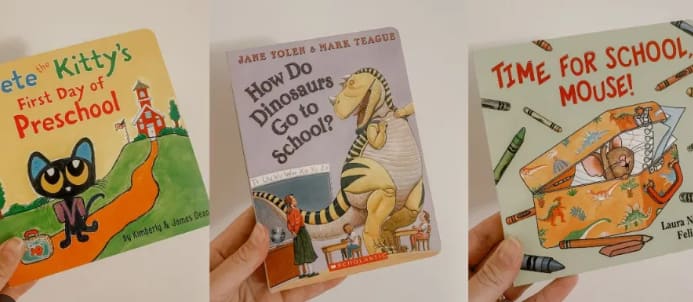
Real-life Experiences from Parents
Many positive parents feel a deep sense of worry when the first day of school approaches, fearing that their child will struggle with the change; please know that this is a completely normal reaction and a part of the parenting journey.
You are not just sending your child to a building; you are helping them take their first step toward independence and the range of emotions you feel is a testament to the strong bond you share.
It is observed that children are often more resilient than we give them credit for and by staying calm and prepared, you are modeling the very stability your child needs to flourish in their new environment.
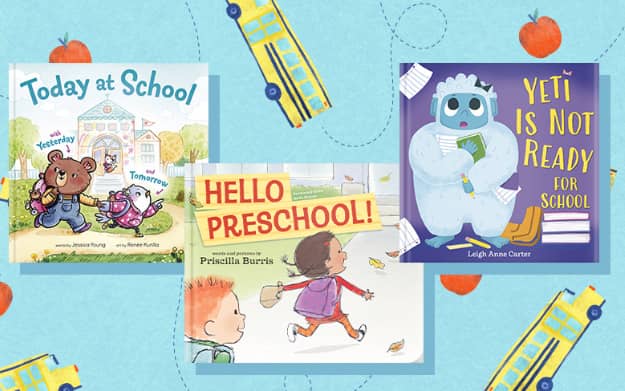
Understanding Preschool: Why Reading Matters
The preschool transition represents a critical period in a child’s social-emotional development, where the safety of the home is expanded to include a wider, more public sphere. Reading books about school is not merely a hobby; it is a pedagogical tool that helps children understand the concept of “routine.”
When a toddler reads about a character who hangs up their coat, sits for circle time and eventually reunites with their caregiver, they begin to construct a logical sequence of events. This cognitive mapping reduces the fear of the unknown, as the brain feels prepared for the sequence of the day.
Furthermore, these books address the universal challenge of separation anxiety, a natural stage in development where children worry about being away from their primary attachment figures.
By engaging with characters who experience these exact feelings and discover that they are safe, children can process their own complex emotions in a low-stakes setting.
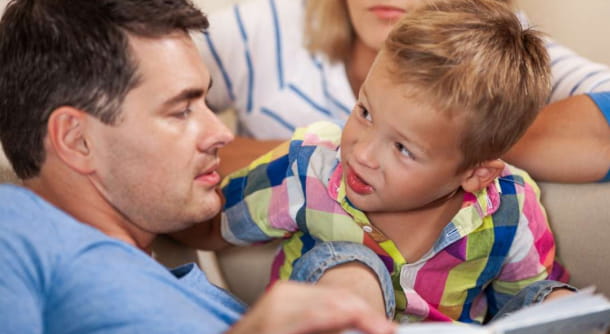
School Readiness and Environment Impact
It is suggested by child development experts that narrative play and reading allow children to “rehearse” the experience of being away from a parent, creating a sense of predictability that is essential for a positive start to their school experience.
Finally, the books chosen for school readiness often highlight the fun aspects of learning, such as playing, arts and crafts, and socialization. This positive framing is vital because it shifts the child’s perspective from “I am being left behind” to “I am going to participate in exciting activities.”
By creating a positive association with the classroom environment, parents can help their children develop a growth mindset early on.
This preparation is less about academic prowess and more about building the emotional confidence necessary to thrive when a parent is not present.
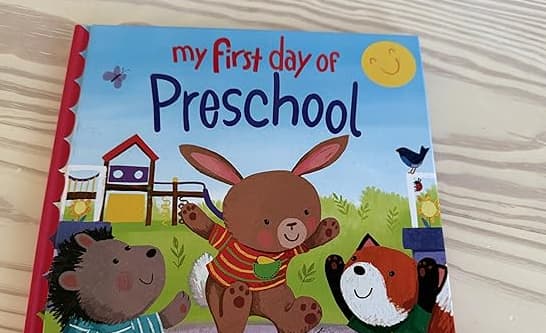
Curated Book List for Preschool Preparation
Books About Classroom Routines and Activities
When toddlers read books that detail the specific activities of a classroom, they gain a sense of agency, knowing exactly what to expect when they walk through the door.
Books such as The Kissing Hand or Daniel Tiger’s Go to School are frequently recommended by educators because they walk the child through the day, from the initial goodbye to the joyful reunion.
This preparation helps children understand that school is a place of structure, where they will have a place to sit, toys to play with, and snacks to eat, all within a predictable framework.
Furthermore, identifying with characters who navigate transitions helps children feel less isolated in their feelings of apprehension. When a toddler sees a storybook character struggle with cleaning up or participating in group play, they feel validated in their own experiences.
This validation is key to early childhood education success; it tells the child that their feelings are understood. Parents should encourage their children to point out similarities between the books and what they have seen during school tours, as this bridges the gap between fiction and reality.

Books About Separation and Reconnection
Stories specifically focused on the theme of separation are essential, as they provide reassurance that the bond with the parent remains unbreakable despite physical distance.
Books like Owl Babies or Llama Llama Misses Mama delve deep into the heart of the child’s worry—the fear of abandonment—and resolve it with a loving reunion.
This narrative arc is crucial for teaching children that departure is temporary and that the “circle” of the family is always re-established, which is a foundational concept in attachment theory.
These stories also provide a beautiful opportunity for parents to discuss their own reunion rituals, such as a special high-five or a hug that signifies the end of the school day. By linking the book’s resolution to a real-life plan, parents effectively reduce the child’s uncertainty about “when” the parent will return.
Preschool Book List and Ages Table for Kids
It is observed that children who feel confident in the eventual return of their parent are more likely to engage deeply with their classroom environment rather than spending their time waiting by the door.
| Book Title | Primary Theme | Recommended Age |
| The Kissing Hand | Separation & Love | 2-4 Years |
| Llama Llama Misses Mama | Separation Anxiety | 2-5 Years |
| Daniel Tiger’s Go to School | School Routine | 2-4 Years |
| Owl Babies | Reassurance | 1-3 Years |
| Pete the Cat: Rocking in My School Shoes | School Environment | 3-5 Years |
Implementing Preschool Prep Strategies Home
Role-Playing and Open Discussion
Role-playing is one of the most effective ways to translate the concepts found in books into tangible physical experiences for a toddler.
By acting out the school drop-off, including the “goodbye” ritual, the parent can help the child practice their independence in a comfortable setting.
It is observed that when children are allowed to play the role of the teacher or the student in a home-based rehearsal, they gain a sense of control over the process. This play-based preparation should be lighthearted, focusing on the joy of school rather than the gravity of the separation.
Open discussions regarding the child’s feelings are equally important, as they allow parents to listen to specific fears that books might not cover. Asking open-ended questions like, “What do you think will be the most fun part of your classroom?” or “Is there anything you are worried about?” provides a safe space for expression.
Parents should validate these feelings without dismissing them, using phrases like, “It’s okay to feel nervous, even adults feel nervous when trying new things.” This empathy-first approach builds the emotional regulation skills needed for long-term school success.
Building School Readiness Skills
While books provide the emotional map, building practical self-care skills is the physical preparation necessary for a confident preschool experience. Skills such as hanging up a jacket, putting on shoes, or opening a lunch container are small but powerful ways for a child to feel capable.
When children are encouraged to practice these tasks at home, they enter the preschool classroom with a sense of “I can do this,” which significantly boosts their self-esteem and independence. This is a critical component of school readiness that complements the narrative preparation of reading.
Establishing a consistent sleep and meal schedule a few weeks before the start date is also a vital practical strategy that mirrors the school day. If a child is used to waking up and eating at times similar to the preschool schedule, the biological adjustment will be much smoother.
It is observed that children who are well-rested and well-fed are better equipped to handle the emotional demands of a new setting. By creating a home environment that reflects the structure of school, parents empower their toddlers to focus on learning rather than struggling with basic biological transitions.
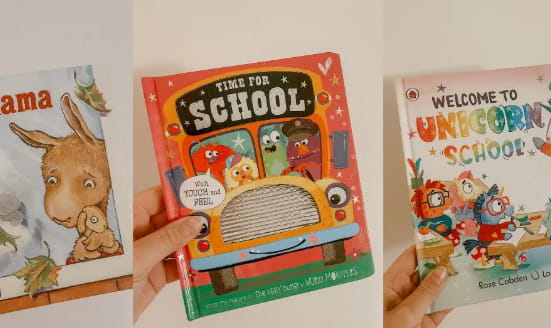
Frequntly Asked Questions and Answers
When is the best time to start reading about preschool?
It is recommended to start reading books about school about 2 to 4 weeks before the start date. This provides enough time to normalize the concept without overwhelming the child with anticipation or anxiety.
What if my child refuses to read these books?
Do not force it. If your child resists, you can incorporate the themes into their existing favorite stories or simply talk about school in short, positive bursts throughout the day rather than making it a structured lesson.
How do I handle separation anxiety at the classroom door?
Keep the goodbye short, loving, and consistent. Creating a quick ritual—like a “kiss in the palm” or a high-five—and leaving promptly helps the child understand that you will always return.
Are there books for children with special needs preparing for preschool?
Yes, there are many inclusive books that depict diverse classrooms and varying abilities. Look for titles that emphasize the uniqueness of every child to help them feel represented and understood before they start school.
How can I make the first day feel less overwhelming?
Focus on the positive aspects of the classroom, such as a specific toy or activity they showed interest in during a tour. Bringing a small, comforting transitional object, if allowed by the school, can also help ease the transition.