Editor’s Comment: Toddlers typically require 1 to 4 cups of water daily depending on their age, physical activity level and the ambient temperature, but this must be supplemented with high-water-content foods and appropriate milk intake to ensure full summer hydration.
Summer hydration for toddlers is a balancing act between providing enough water to replenish fluid loss due to sweat and maintaining nutritional intake from milk and whole foods.
While there is no rigid, single-number rule for every child, pediatric guidelines generally suggest that toddlers aged 12 to 24 months need approximately 1 to 4 cups of water per day, in addition to their milk intake.
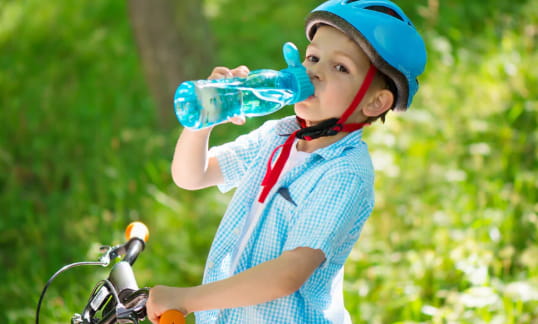
Parents’ Experiences
Many gentle parents feel anxious when the temperature rises, constantly wondering if their toddler is getting enough fluids; this is completely normal and expected. It is easy to obsess over every ounce of water consumed, but observing your child’s general energy levels and behavior is often a more reliable indicator than counting every drop.
You are the expert on your child and your ability to spot subtle changes in their mood or activity level during a heatwave is an invaluable skill that develops with time and experience. Trust your parental intuition while staying informed about the physical signs of dehydration.
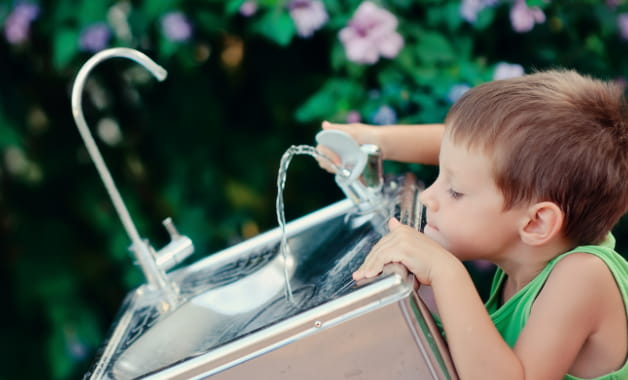
Biology: How Much Water Do Toddlers Require?
The specific water intake for a toddler is determined by their body weight, activity level, and the climate, but the Institute of Medicine guidelines serve as a foundational starting point for fluid consumption.
It is observed that while water is the most essential nutrient for health, a portion of a toddler’s hydration actually comes from the solid foods they eat, such as fruits and vegetables.
Therefore, total fluid intake encompasses not just plain water but also breast milk, cow’s milk, and the water content derived from a balanced, healthy diet.
Biologically, a toddler’s body is composed of a higher percentage of water compared to an adult, which makes them simultaneously more resilient in some ways and more vulnerable to rapid fluid loss.
During the transition from infancy to the toddler years, the kidneys become more efficient at concentrating urine, yet they are not fully mature.

Experts suggest that offering water with every meal and between play sessions helps establish a healthy habit without overwhelming the digestive system or affecting appetite for calorie-dense, nutrient-rich solid foods.
The Role of Milk and Solid Foods
Hydration is not limited to water; toddler nutrition experts emphasize that milk continues to play a vital role in fluid balance even after the first birthday. Cow’s milk or fortified plant-based alternatives provide essential electrolytes, fats, and proteins that water alone cannot offer.
However, it is critical to balance milk intake with water; if a toddler drinks too much milk, they may feel full and reject solid foods or plain water, which can lead to minor nutritional gaps or constipation.
Incorporating water-rich foods into the diet is a sophisticated strategy to boost hydration without increasing liquid volume too drastically. Fruits like watermelon, strawberries, cucumbers, and oranges are excellent summer snacks that provide both hydration and vitamins.
By serving these foods, parents can naturally increase their toddler’s fluid intake while also engaging them in a positive eating experience. This approach acknowledges that toddler health is holistic, ensuring that every bite and sip contributes to their overall well-being.
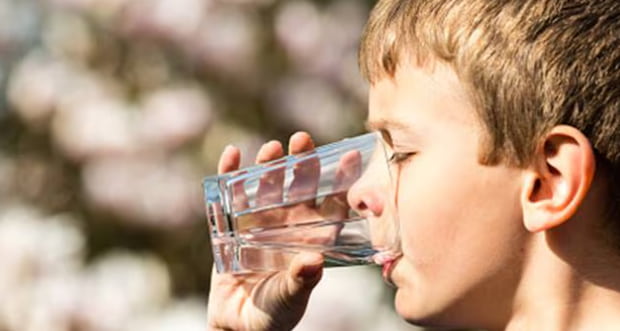
Recognizing Individual Variations
Every child has a unique biological makeup, and what constitutes “enough” water can vary significantly between two children of the same age. A highly active toddler who spends hours running in the park will naturally have higher fluid requirements than a child who prefers sedentary play.
It is observed that environmental humidity also plays a major role; in highly humid environments, sweat does not evaporate efficiently, which can make the body work harder to cool down, thus increasing the need for hydration and temperature management.
Parents should monitor their child’s output—specifically, the frequency and color of their diapers or potty usage—as a primary indicator of hydration status. If a toddler is having regular wet diapers or using the toilet consistently throughout the day, it generally suggests they are well-hydrated.
If, however, a child seems unusually lethargic or has a dry mouth after a period of intense play, it is a sign that they need a direct intervention with fluids, regardless of the “target” numbers suggested in general literature.
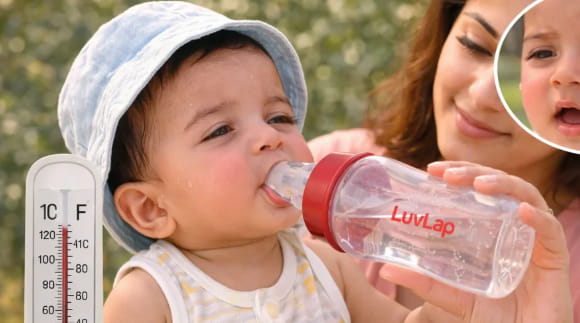
Heat: Recognizing Toddler Dehydration Signs
Identifying dehydration symptoms in toddlers requires vigilance, as they often lack the communication skills to express thirst until they are already experiencing physical discomfort. The most reliable early warning signs include a decrease in urine frequency, dark-colored or strong-smelling urine, a dry or sticky mouth, and an unexplained decrease in activity or sudden lethargy.
It is critical for caregivers to act immediately if these signs appear, as toddlers can progress from mild to moderate dehydration much faster than older children or adults.
Beyond the visible physical signs, behavioral shifts often provide the first clue that a toddler is struggling with the heat. A child who is usually energetic but suddenly becomes cranky, unusually clingy, or seems “faded” and less responsive to games may be suffering from heat exhaustion or early-stage dehydration.
Pediatricians warn that in the summer, dehydration is often a precursor to more serious issues like heat cramps or heat stroke, making early detection the most effective preventative measure available to parents.
Turgor Test and Total Daily Output
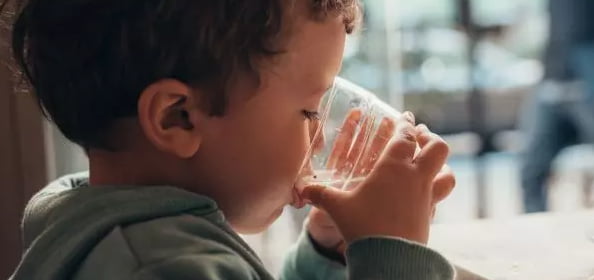
The “Turgor Test“—gently pinching the skin on the back of the hand or abdomen—is a commonly discussed metric in medical literature, but it is often difficult for parents to interpret accurately. Instead, experts suggest focusing on the “Total Daily Output” method.
If your toddler has not produced urine for six hours or more, or if they have not had a wet diaper in the same timeframe, this is a clear clinical indicator that they need fluids immediately.
Relying on these objective observations allows for a measured response rather than panic.
Differentiating Mild and Severe Dehydration
Mild dehydration is a condition that can usually be managed at home through consistent, gradual rehydration, while severe dehydration represents a medical emergency requiring professional intervention. Mild signs often include a dry tongue and a lack of tears when crying.
In contrast, severe dehydration may present with sunken eyes, a sunken soft spot (fontanelle) in younger toddlers, cold or mottled skin, and rapid breathing. It is observed that toddlers should never be left to “tough it out” if they show signs of severe fluid loss.
When addressing mild dehydration, the goal is restoration. Small, frequent sips of water or an age-appropriate electrolyte solution (if recommended by a pediatrician) can be very effective. It is important to avoid sugary juices or sports drinks, as these high-sugar liquids can draw water into the gut and actually worsen diarrhea or dehydration symptoms.
Environmental Precautions for Summer
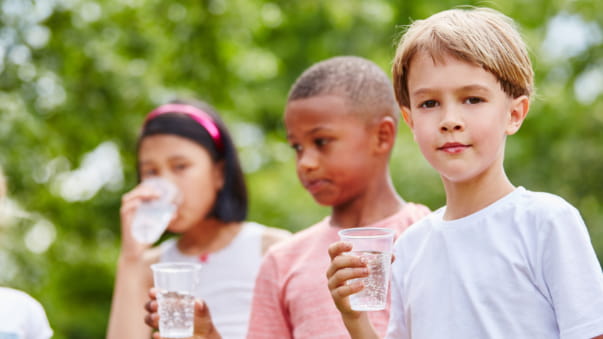
Prevention is the cornerstone of summer health, and environmental management is just as important as direct fluid intake. Limiting exposure to the sun during peak hours (typically between 10:00 AM and 4:00 PM) drastically reduces the rate of fluid loss.
If a toddler must be outside, ensuring they are in shaded areas, wearing breathable clothing, and taking frequent breaks in air-conditioned or ventilated spaces are essential steps to keep their core temperature stable and their fluid requirements manageable.
Hydration Habits: Strategies for Summer Water
Encouraging summer hydration is most successful when it is integrated into a toddler’s play routine rather than being treated as a separate, mandatory task. Strategies such as using “fun” accessories, modeling drinking behavior, and offering water-rich foods help toddlers associate fluid intake with positive experiences.
By making water readily accessible and normalizing the act of sipping throughout the day, parents can create a sustainable habit that ensures the child remains hydrated without the need for constant reminders or struggles.
Many toddlers reject water simply because they prefer the taste of milk or because they are too distracted by their environment to stop and drink. To counter this, pediatric nutritionists suggest “gamifying” the process.
Using a new, colorful straw cup, adding a slice of fruit to their water bottle, or having a “cheers” moment with their own drink can be powerful motivators.
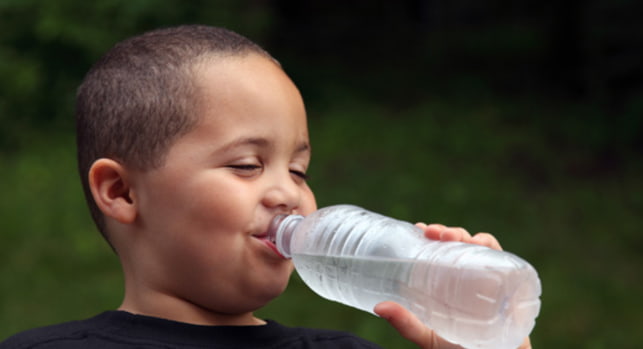
Table for Hydration Sources and Tips for Toddler
It is observed that toddlers are naturally imitative; if they see their parents drinking water frequently, they are far more likely to mimic the behavior.
The following table summarizes common hydration sources and tips for toddler integration:
| Hydration Source | Frequency / Strategy | Why It Works |
| Plain Water | Every 1-2 hours | Baseline hydration; no calories or sugar. |
| Water-Rich Fruits | With snacks (Melon, Cucumber) | Adds fiber and fluid simultaneously. |
| Infused Water | Once daily (Berries/Mint) | Improves flavor profile without sugar. |
| Milk/Dairy | 2-3 times daily (Max 16-20oz) | Electrolytes, calcium, and fat content. |
| Straw Cups | Whenever awake | Makes sipping easier and less messy. |
Creating a Hydration Routine
Establishing a hydration routine means treating water breaks like any other part of the daily schedule, such as nap time or meal time. When playing outside, introduce a “water break” every 30 minutes, regardless of whether the child says they are thirsty.
Because toddlers often struggle to identify the sensation of thirst until they are severely parched, proactive offering is the standard of care recommended by child development experts to prevent fluid deficits from ever occurring.
Signs of Success and Long-Term Health
The ultimate goal of these strategies is to cultivate a long-term habit of drinking water that will serve the child through their developmental years. A toddler who grows up viewing water as the primary and most refreshing beverage choice is less likely to develop a palate that requires high-sugar drinks later in childhood.
When parents observe their child consistently reaching for a water bottle during play or after a meal, it serves as a strong indicator that their efforts to establish healthy habits have taken root.
Frequently Asked Questions: Summer Hydration
How much water is too much for a toddler?
While rare, drinking excessive amounts of water in a very short time can be harmful to a toddler’s electrolyte balance.
Stick to the pediatrician-recommended 1 to 4 cups daily, ensuring most of their nutritional intake still comes from balanced meals and milk.
Can I give my toddler ice water in summer?
Yes, ice water is safe and can be very refreshing in hot weather. Ensure the temperature is not so cold that it causes tooth sensitivity, but it is a perfectly acceptable way to help cool your toddler down.
Should I use electrolyte drinks?
Generally, no. Unless specifically recommended by your pediatrician for a toddler who is vomiting or has diarrhea, plain water and a balanced diet are sufficient. Sports drinks often contain unnecessary sugar and sodium.
What if my toddler refuses to drink plain water?
Try making it more appealing by adding fruit slices, using a fun new cup, or offering water-rich foods like watermelon. Avoid replacing water with juice, as this creates a preference for sweetness that makes water intake even more difficult.
How do I know if they are drinking enough?
The best metrics are the frequency of urine (aim for at least 4-6 wet diapers/potty trips a day), the color of the urine (should be pale yellow), and the child’s overall energy levels and moistness of the mouth.