Editor’s Comment: Preparing your firstborn for a new sibling is a gradual emotional and practical process that involves early communication, maintaining established routines, and validating their complex feelings of displacement.
As you approach the arrival of a new sibling, shifting your mindset from simply “managing” your older child to actively partnering with them transforms the entire family dynamic. Child psychology experts suggest that a proactive approach, grounded in emotional intelligence and empathetic listening, significantly reduces long-term behavioral issues.

This means moving away from didactic, strict expectations and instead fostering a gentle, Blue Ocean environment where every emotion is accepted without immediate correction.
By strategically preparing their physical environment and their hearts, you build a sturdy foundation of lifelong sibling bonding that thrives on mutual respect and shared family love.
Real-life Views:
Many parents worry deeply about this transition; they fear their oldest child will feel abandoned or resentful when the baby arrives, and this parental anxiety is completely normal. In our journey as parents, we often expect a magical, instant bond but the reality is that family expansion requires profound patience.
Acknowledging that your child’s world is fundamentally shifting allows you to guide them with authentic compassion rather than forced enthusiasm.
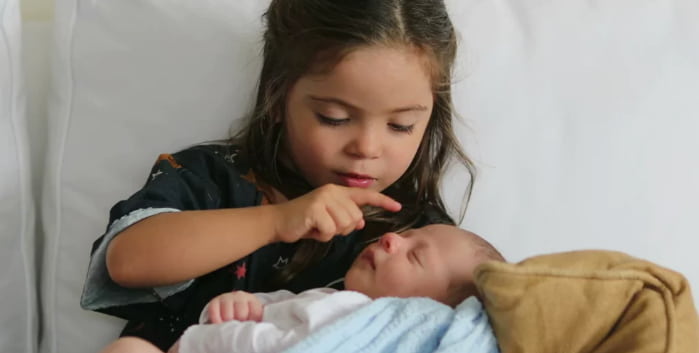
Emotional Transition to a New Start
The emotional transition to a new sibling is primarily characterized by a profound sense of uncertainty, making it crucial to introduce the concept gently and at an age-appropriate pace. When toddlers or preschoolers first hear about a growing family, their cognitive development often limits their ability to grasp the abstract reality of a baby.
Pediatric specialists note that children process this news not through logical understanding, but through the lens of how it affects their immediate security and daily routine preservation. Therefore, breaking the news should be a continuous dialogue rather than a one-time announcement, allowing their developing brains to slowly adapt to the impending change.
Understanding the “why” behind their emotional turbulence is vital for parents trying to navigate this delicate family expansion phase with grace and empathy. A firstborn’s sudden mood swings or uncharacteristic tantrums are frequently observed not as acts of defiance, but as direct expressions of separation anxiety and fear of losing parental attention.
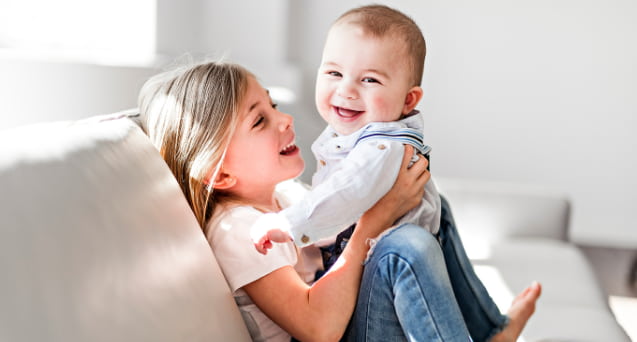
Family Unit and Emotion Coaching
Many mothers and fathers feel immense guilt when their child acts out during pregnancy; please remember, this is a highly typical developmental response. Their entire universe is shifting, and they are unconsciously testing your unconditional love to ensure their permanent place within the family unit remains secure and unwavering.
To effectively manage these reactions, how you respond to their emotional outbursts is far more critical than attempting to prevent the feelings altogether. Experts emphasize the importance of emotion coaching, which involves narrating their feelings out loud—saying things like, “It seems like you are feeling frustrated about the baby”—to help them build an emotional vocabulary.
Avoid enforcing toxic positivity by forcing them to say they are excited; instead, validate their apprehension to cultivate profound trust and psychological safety. Consistently demonstrating that both negative and positive feelings are welcome ensures your firstborn feels profoundly seen and valued during the wait for a new sibling.

Recognizing Signs of Sibling Rivalry and Regression
Temporary behavioral regression is a widely documented and highly anticipated coping mechanism for firstborns adjusting to the reality of a new sibling. You might observe your fully potty-trained toddler suddenly having accidents, or an independent preschooler demanding to be spoon-fed or rocked to sleep like an infant.
Child development specialists clarify that this is not a step backward in their actual growth, but a temporary strategy to reclaim the intensive nurturing they associate with babyhood. Responding with strict discipline often exacerbates the issue, whereas responding with abundant physical affection rapidly soothes their underlying emotional insecurity.
Witnessing your previously capable child act out can trigger severe frustration for exhausted parents; it is completely normal to feel overwhelmed by these sudden developmental shifts. The most effective countermeasure against early sibling rivalry is to fulfill their need for connection before they resort to negative behaviors to demand it.
Implement regular, uninterrupted one-on-one time tailored specifically to the older child, reinforcing their unique and irreplaceable status in your heart. By proactively filling their emotional cup, you gently mitigate the jealousy that fuels regression, paving a much smoother psychological path for the arrival of a new sibling.
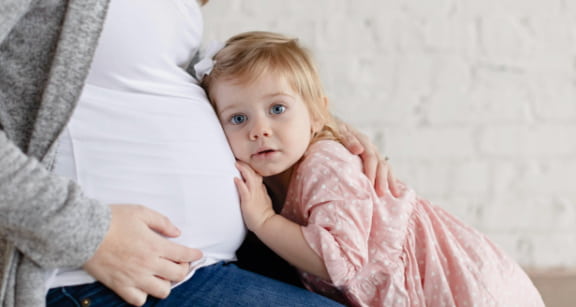
Practical Steps for Welcoming a New Sibling
Structuring the physical and routine-based environment months in advance drastically minimizes the shock factor when a new sibling finally arrives home from the hospital. If you need to transition your older child from a crib to a toddler bed, or move them to a different bedroom, pediatricians recommend executing these changes well before the third trimester.
This strategic timing ensures the firstborn does not associate their displacement with the new baby, which is a primary trigger for resentment. Maintaining strict consistency in their bedtime routines and daycare schedules provides a critical anchor of stability amidst the impending household chaos.
Preparation Strategy Table for a New Sibling
Organizing practical aspects of your daily life allows for a harmonious household transition, making the process highly predictable for a toddler. Structuring their expectations through tangible activities helps ground the abstract concept into their reality.
- Introduce baby gear gradually into the living space.
- Read age-appropriate sibling books to normalize the experience.
- Practice gentle touches using a baby doll. Below is a structured table illustrating how specific parental choices influence the firstborn’s psychological adaptation:
| Preparation Strategy | Ineffective Approach | Effective Approach |
| Room Transition | Moving them right before birth | Moving them months early as a milestone |
| Physical Limits | Blaming the pregnancy | Using neutral language (“My body needs rest”) |
| Baby Gear | Hiding items to avoid jealousy | Displaying gear early to normalize the environment |
The actual hospital stay and the initial homecoming represent the climax of this preparation, requiring a delicately choreographed introduction to a new sibling. When the firstborn enters the hospital room or the living room, experts highly recommend that the mother’s arms be completely empty to offer a massive, unobstructed hug.
Having the baby rest in a bassinet allows the parents to focus entirely on the older child’s arrival, signaling that their primacy in the family hierarchy remains intact. Exchanging sibling gifts during this first meeting is also observed to be a highly effective, tangible icebreaker that fosters immediate positive associations.
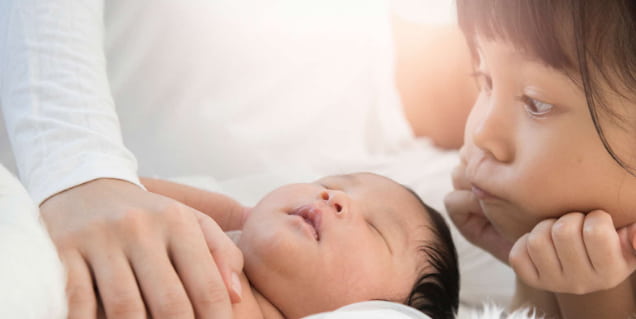
Inclusive Nesting: Involving Your Firstborn in Preparations
Engaging your older child in the nesting process transforms them from a passive bystander into an active, empowered participant in welcoming a new sibling. You can invite them to help fold tiny clothes, select the baby’s coming-home outfit, or arrange diapers in the nursery station.
Child psychologists emphasize that giving toddlers age-appropriate responsibilities drastically boosts their self-esteem and cultivates a profound sense of ownership over the family expansion.
However, it is crucial not to force this involvement; if they show disinterest, gently step back and allow them to disengage without projecting any parental disappointment or pressure.
Cultivating the “big brother” or “big sister” identity is a powerful tool for bridging the emotional gap between the firstborn and the impending arrival. It is completely normal for parents to feel anxious about whether their child will embrace this new title, and patience is your best ally here.
Frame this new identity as a badge of honor, praising their empathy, helpfulness, and inherent leadership skills within the home. By celebrating their unique capabilities—things the baby cannot do yet—you reinforce their immense value, ensuring they view a new sibling as an addition to their world, not a replacement.
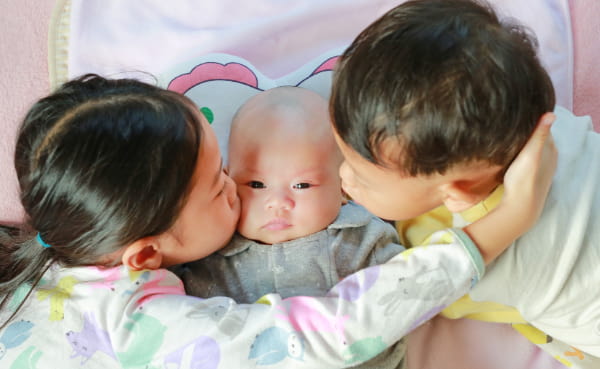
Long-Term Bonding with a New Sibling: Building Lifelong Connections
The foundation of a harmonious relationship with a new sibling relies heavily on the deliberate preservation of the firstborn’s individual identity and dedicated parental time. After the baby arrives, it is incredibly easy for the household to revolve entirely around infant feeding and sleeping schedules, leaving the older child in the shadows.
Implementing a strict daily routine where the firstborn receives at least twenty minutes of fully present, phone-free parental engagement acts as an emotional anchor. Studies indicate that this dedicated micro-bonding significantly diminishes behavioral outbursts and solidifies their trust in your unwavering, unconditional love.
As weeks turn into months, fostering an environment of collaborative caregiving encourages organic, unforced interactions between your children. Instead of constantly telling the older child to “be careful,” actively guide their hands to show them how to gently stroke the baby, nurturing a deep, protective affection.
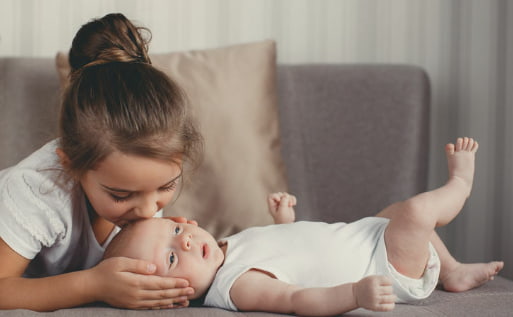
Preparing your heart for this transition requires immense grace, flexibility, and a commitment to non-didactic, empathetic parenting. Give yourself permission to mourn the end of the exclusive triad while celebrating your expanding universe. Your firstborn’s journey to accepting a new sibling is a marathon, and your patient love is the greatest compass they need.
Frequently Asked Questions (FAQ)
When is the best time to tell my firstborn that I am pregnant with a new sibling?
For toddlers and preschoolers, experts generally recommend waiting until the second trimester, when the pregnancy is physically visible and the risk of early loss has decreased.
How should I react if my older child says they hate the baby or want to send them back?
It is vital to remain completely calm and avoid scolding your child for expressing these very intense, yet highly typical, negative emotions toward a new sibling.
Should I buy a gift from the new baby to give to my older child at the hospital?
Yes, presenting a thoughtfully chosen gift “from the baby” is observed to be an incredibly effective strategy for fostering immediate goodwill and positive associations.