Parent’s Note: Knowing how to choose a daycare involves evaluating the facility’s licensing, caregiver-to-child ratios, daily educational curriculum, and health protocols to ensure a safe, nurturing environment for your child’s early development.
Finding the perfect match isn’t just about locating the closest facility or the one with the most expensive wooden toys. It is deeply rooted in identifying a childcare center that seamlessly aligns with your family’s core values, disciplinary style and your child’s unique emotional needs.
By equipping yourself with the right inquiries, you transition from an anxious observer to an empowered advocate for your child’s early childhood development. Let’s dive into the essential framework and the critical questions you must ask to confidently navigate this monumental decision without second-guessing yourself.

Parents’ Real Life Experience
Handing over your precious little one to a completely new environment is undeniably one of the most nerve-wracking milestones in modern parenting. Many parents worry about this transition and feel an overwhelming sense of guilt; please know this is completely normal and a shared universal experience.
When I first started touring childcare centers for my own child, I felt completely lost in a sea of brightly colored walls, conflicting educational philosophies, and overwhelming waitlists. It wasn’t until I sat down and created a structured checklist of non-negotiable standards that the mental fog finally began to lift.
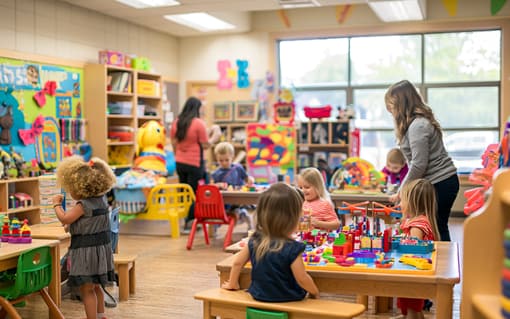
Daycare Licensing and Accreditation
The foundational step in learning how to choose a daycare is verifying state licensing and seeking out prestigious national accreditations, which serve as objective indicators of a facility’s commitment to baseline safety and quality standards. Evaluating these credentials provides immediate peace of mind regarding the physical environment.
Child development experts often suggest that accredited centers demonstrate a higher dedication to ongoing staff training and rigorous safety protocols. Many parents feel anxious about interrogating administrators for proof of these documents; this is completely normal, but remember that reputable centers will display them proudly and transparently.
Beyond basic state licensing, which only ensures minimal legal compliance, national accreditations from organizations like NAEYC (National Association for the Education of Young Children) indicate a superior tier of childcare quality. These voluntary accreditations require comprehensive evaluations of the center’s early learning programs, teacher qualifications, and physical safety measures.
Quality of Care and Provider
When touring a facility, the very first of your 10 questions should be: “What specific accreditations does this center hold, and when was the last unannounced state inspection?” This directly addresses the quality of care and sets a highly professional tone for the remainder of your visit.

Transparency in reporting past violations or health citations is a massive green flag for any prospective childcare provider. You should proactively ask the director your second question: “How do you handle and communicate state inspection findings or safety incidents with parents?” A trustworthy center will maintain an open-door policy regarding their operational history.
Statistics indicate that centers with transparent communication policies generally foster much stronger parent-teacher partnerships.
Understanding this administrative foundation empowers you to filter out inadequate options immediately, preserving your emotional energy for evaluating the educational and interpersonal dynamics of the top-tier candidates on your shortlist.
Caregiver-to-Child Ratios and Staff Qualifications
Evaluating caregiver-to-child ratios and verifying staff qualifications are critical because lower ratios are consistently linked to better emotional regulation and cognitive outcomes in infants and toddlers. Question number three on your list must be: “What is your exact teacher-to-child ratio, and how does it compare to state minimums?”
Research highlights that individualized attention is paramount during the first three years of life, making low ratios a non-negotiable metric. Many parents worry that their quiet child might be overlooked in a bustling classroom; this is entirely normal, which is why strict ratio enforcement is essential.
Alongside ratios, the educational background and continuous training of the caregivers directly dictate the quality of daily interactions. Therefore, your fourth question should focus on human resources: “What are the minimum educational requirements for your lead teachers, and what is your annual staff turnover rate?”
High turnover is often a glaring red flag indicating poor management or low job satisfaction, which deeply disrupts the secure attachment children need to thrive. Prioritizing centers that invest in their staff’s professional development ensures your child is guided by motivated, educated, and emotionally available early childhood educators.

Health, Safety, and Nutrition Protocols
A robust health and safety protocol, encompassing everything from secure entry systems to strict illness policies, forms the absolute baseline of a secure childcare environment. To address this, your fifth question needs to be: “What are your exact protocols for secure facility access, emergency evacuations, and sick child isolation?” Understanding these procedures ensures that physical vulnerabilities are proactively managed.
Many parents feel a knot in their stomach when thinking about emergencies occurring while they are at work; this is a completely normal fear, but knowing a center has practiced protocols significantly eases that mental burden.
Nutrition is equally vital, as early dietary habits profoundly influence long-term physical and cognitive development. You must ask your sixth question: “How do you handle meal planning, food allergies, and the introduction of solid foods for infants?” A quality center should provide a transparent weekly menu featuring balanced, whole foods while demonstrating a hyper-vigilant approach to allergen management.
Centers that prioritize early childhood nutrition not only support physical growth but also foster healthy social eating habits, transforming meal times into valuable communal learning experiences rather than just hurried administrative tasks.

Early Childhood Curriculum
Selecting an early childhood curriculum that aligns with your child’s learning style—whether it be Montessori, Reggio Emilia, or play-based—is essential for fostering a lifelong love of learning and curiosity.
Thus, your seventh question must be: “What specific educational philosophy guides your daily curriculum, and how is it adapted for different developmental stages?”
Educational psychologists generally observe that children thrive when the learning approach matches their natural temperament. Many parents stress over picking the “wrong” educational model and ruining their child’s academic future; this is a normal anxiety, but remember that adaptability is key.
Daycare Choosing Checklist Table
To make an informed comparison of these educational philosophies, it is highly beneficial to look at a structured breakdown of their core tenets. The table below outlines the primary differences between popular childcare programs, helping you visualize which framework might best suit your family’s unique dynamics.
| Educational Philosophy | Core Focus | Teacher’s Role | Best Suited For |
| Montessori | Independence, self-directed activity, and hands-on learning. | Unobtrusive guide who observes and introduces materials. | Children who thrive on order, routine, and quiet concentration. |
| Reggio Emilia | Project-based, collaborative learning driven by child’s interests. | Co-learner and collaborator documenting the child’s progress. | Highly creative, social children who enjoy expressive arts. |
| Play-Based | Social-emotional development through unstructured, imaginative play. | Facilitator who sets up engaging play stations. | Active children who learn best through peer interaction and movement. |

Daily Routines and Structured vs. Unstructured Play
A healthy balance between structured activities and unstructured play is vital, as unstructured time allows children to develop intrinsic motivation, problem-solving skills, and social negotiation tactics. Therefore, your ninth question should inquire: “How much uninterrupted, unstructured playtime do the children get, particularly outdoors, each day?”
Child development specialists emphasize that free play is the primary mechanism through which young brains process complex emotional concepts. Many parents worry that their child isn’t doing enough “academic” work during the day; this is perfectly normal, but play is actually the most rigorous academic work a toddler can do.
Structured routines provide the necessary scaffolding that makes children feel safe and anchored throughout their day. A premium childcare center will effortlessly weave these modalities together through specific daily anchors:
- Predictable transition times between classroom activities to minimize anxiety.
- Engaging morning circle time for communal sharing and social bonding.
- Guided art and sensory activities that specifically hone fine motor skills.When observing a classroom, pay close attention to how teachers manage the shift from high-energy outdoor play to calm indoor tasks, as this reflects true classroom management expertise.

Discipline Policies and Emotional Regulation Strategies
Understanding a center’s discipline policy is crucial because consistent, positive reinforcement strategies foster healthy emotional regulation and prevent the development of behavioral anxieties. To round out your checklist, the tenth question must be: “What is your specific approach to discipline, biting incidents, and helping children navigate big emotions?”
Experts observe that punitive measures are highly ineffective for toddlers, advocating instead for redirection and emotional coaching. Many parents feel terrified that their child will be labeled as “naughty” if they act out; this is a normal fear, highlighting the need for empathetic caregiver responses.
A high-quality facility will utilize positive discipline techniques that view behavioral missteps as valuable teaching moments rather than offenses requiring punishment. They should explicitly detail how they communicate behavioral challenges to parents, emphasizing a team approach to emotional intelligence development.
Empowering Your Choice: Stepping Confidently into Childcare
Making the final decision on how to choose a daycare ultimately relies on combining objective data, such as accreditations and ratios, with your own parental intuition regarding the center’s atmosphere. You have asked the ten critical questions, toured the facilities, and analyzed the childcare quality metrics; now it is time to trust your gut.
If a place looks perfect on paper but feels cold or unwelcoming in person, it is perfectly valid to walk away. Many parents experience decision paralysis at this final stage; this is entirely normal, just remember that no choice has to be permanent.

Take a deep breath, review your detailed notes, and recognize that you have done the rigorous foundational work required to protect and nurture your child’s early childhood development. Schedule a final unannounced drop-in visit to your top choice to observe the natural, unfiltered dynamic of the classrooms.
By prioritizing open communication, robust safety standards, and a nurturing educational curriculum, you are setting the stage for a thriving, joyous early learning experience. Trust yourself, submit that enrollment application, and prepare to watch your little one blossom in their vibrant new community.
Frequently Asked Questions: Daycare
When is the best age to start daycare?
While circumstances dictate timing for many families, experts generally suggest that starting between 12 to 18 months aligns well with a child’s growing need for peer socialization.
How do I handle separation anxiety during the first week in daycare?
Consistency is your greatest tool; keeping drop-offs brief and maintaining a positive, calm demeanor helps your child feel secure.
Will my child get sick more often in daycare?
It is highly observed that children in group care experience more frequent mild illnesses initially, but pediatricians note this often helps build a more robust immune system for elementary school.
Are part-time daycare schedules beneficial?
Yes, part-time schedules can offer a wonderful balance, providing crucial early childhood socialization while allowing for ample bonding time at home. However, consecutive days (like Monday through Wednesday) are often recommended to help the child establish a predictable routine.
Are expensive daycares automatically better?
Not necessarily; while higher tuition often reflects better staff compensation and lower ratios, you must verify that the fee translates into tangible childcare quality rather than just aesthetic upgrades.
Should I get on a waitlist before my baby is born?
In high-demand urban areas, it is strongly advised to join waitlists during the second trimester to secure a spot.
By addressing these common queries, you can finalize your strategy and confidently navigate the early education landscape.


Pingback: Toddler Diarrhea vs. Stomach Bug: Diet and Hydration Answers