Editor’s Note: Fine motor skill activities are targeted, play-based exercises designed to help babies and toddlers develop the small muscles in their hands and fingers, which are observed to be essential for future physical independence in daily tasks like writing, self-feeding and buttoning clothes.
Child development experts generally observe that engaging infants with simple household objects builds critical neurological pathways, transforming everyday playtime into a robust foundation for lifelong learning.
According to occupational therapists, utilizing common items like wooden spoons or clean sponges offers highly effective tactile stimulation without the need for expensive, commercial educational toys.
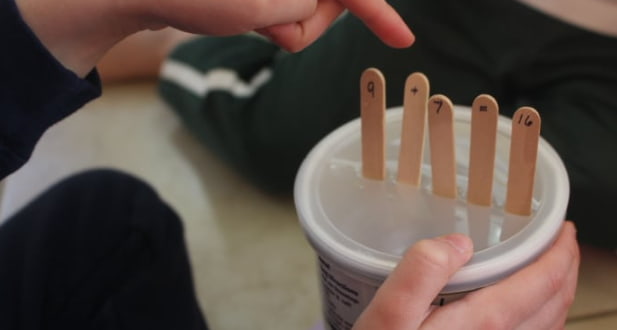
By consistently integrating these accessible tools into your daily routine, you can seamlessly support your little one’s transition from reflexive grasping to intentional, complex hand movements in a completely safe home environment.
Real-Life Experiences and Parents!
Many parents worry when their baby struggles to pick up a tiny puff or gets easily frustrated holding a spoon, constantly wondering if they are falling behind; please know that this anxiety is completely normal and incredibly common.
In my own parenting journey, I vividly remember stressing over milestone charts and buying every premium developmental toy on the internet, only to watch my child happily spend an hour playing with the cardboard shipping box it came in.
That beautiful, humbling moment made me realize that true developmental magic doesn’t require a high price tag. It simply requires a little bit of creativity, patience, and the ordinary, safe household items sitting right inside your kitchen drawers.
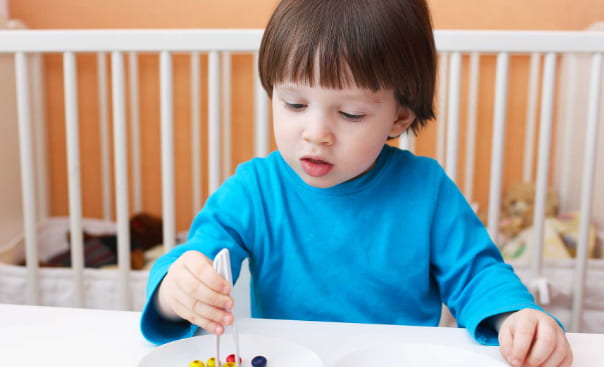
Motor Skills Activities and Sensory Games for Children!
When we think about early infant development, massive physical milestones like crawling and walking usually steal the spotlight in parenting groups. However, the quiet, highly focused moments when your child learns to manipulate small objects are equally miraculous and vital.
Pediatric specialists often note that these intricate finger movements actively build the foundational brain architecture necessary for complex cognitive functions. Engaging your baby in consistent motor skill activities at home is widely considered one of the most effective ways to nurture their growing mind.
You certainly do not need a specialized educational degree to foster this growth; you just need intentionality.
Sensory Plays and Dexterity Exercises
The true beauty of early childhood education lies in its sheer simplicity and accessibility. To a curious baby, your living room is a vast laboratory, and every textured fabric or hollow container is an open invitation to experiment. Healthcare professionals suggest that integrating simple sensory play into your daily routine is far more beneficial than sporadic, highly structured lessons.
By transforming everyday household moments into engaging dexterity exercises, you gently encourage your child to explore their physical boundaries safely. This guide provides expert-backed, budget-friendly setups to maximize your little one’s developmental potential right at home.
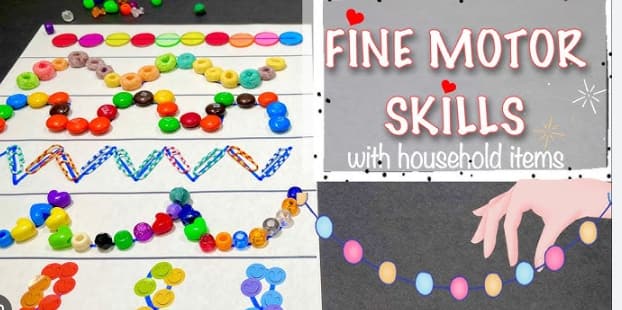
Cognitive Development: Why Motor Skill Activities Matter
Early motor skill activities are observed to directly stimulate the brain’s cortex, forging critical neural connections between visual input and muscular response during infant development.
When a toddler reaches for a brightly colored plastic cup, they are rapidly calculating distance, assessing surface texture, and coordinating multiple tiny muscle groups simultaneously. This complex internal process, known as hand-eye coordination, is the invisible engine actively driving their physical independence.
Neurologists frequently highlight that the repetitive practice of grasping, holding, and releasing objects lays the essential groundwork for more sophisticated academic skills later in life. Every dropped spoon is actually a valuable lesson in gravity and spatial awareness.
It is absolutely fascinating to watch how a seemingly simple task requires immense cognitive effort from a growing infant. During these early months, the brain is highly plastic, physically reshaping itself based on the diverse sensory experiences it encounters daily.

Sensory Inputs and Emotional Regulation
According to developmental psychologists, children who are regularly exposed to varied sensory inputs and grasping challenges tend to exhibit much stronger problem-solving capabilities. These early, playful interactions with household items effectively teach them cause and effect, an absolutely vital concept in human cognitive evolution.
Furthermore, these focused play sessions offer a beautiful opportunity to deeply strengthen the emotional bond between parent and child. When you sit on the floor and gently guide their tiny hands through new motor skill activities, you are providing a highly secure emotional base.
Experts suggest that a calm, encouraging presence significantly reduces the infant’s frustration when they inevitably drop an object. This secure attachment, combined with physical practice, creates an optimal environment for holistic learning and emotional regulation.
The Pincer Grasp: Small Movements, Big Neural Milestones
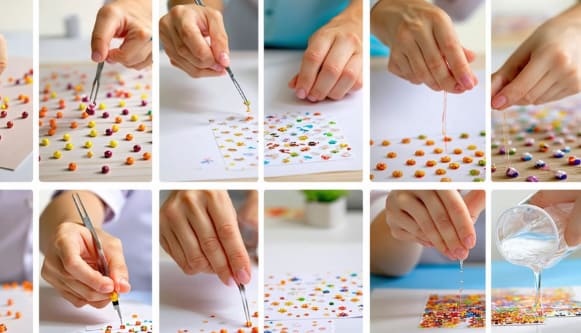
The pincer grasp—the specific ability to hold an object delicately between the thumb and index finger—is arguably one of the most celebrated milestones in a baby’s first year. Pediatricians generally look for this critical development around the 9 to 12-month mark, as it signifies a massive leap in neurological maturity.
Before achieving this, babies utilize a “raking” motion, clumsily sweeping items into their palms using their entire hand. Transitioning to the precise pincer technique ultimately allows them to pick up small pieces of food and hold a pencil with proper ergonomic grip.
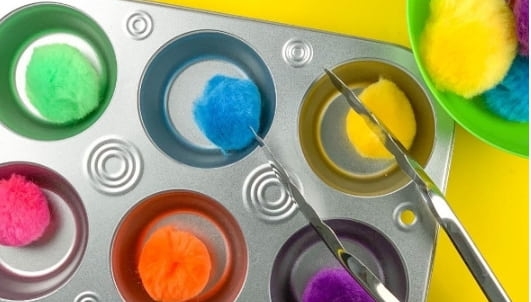
Encouraging this specific milestone does not require expensive electronic gadgets or complicated tools. In fact, simple items like a clean, empty egg carton and some large, baby-safe pom-poms are perfectly suited for this exact developmental task.
As your child carefully pinches each pom-pom to move it from one little cup to another, they are actively firing the neurons responsible for fine muscle control. It is generally observed that practicing these targeted manipulative tasks accelerates their ability to self-feed with profound confidence.
Household Magic: Budget-Friendly Motor Skill Activities
You can easily design highly effective motor skill activities by repurposing safe, common household items like colanders and measuring cups to actively challenge your baby’s dexterity.
The kitchen is an absolute goldmine for developmental play, offering a vast array of unique shapes, unexpected weights, and fascinating textures. Occupational therapists frequently recommend utilizing non-breakable, everyday objects because they naturally introduce children to the practical tools of their immediate environment.
This resourceful approach not only saves families significant amounts of money but also aligns beautifully with the core Montessori philosophy of practical life learning. To start, you can safely gather a few basic items from your drawers:
- Large silicone baking cups
- Sturdy wooden cooking spoons
- Clean, dry household sponges
- Plastic food storage containers
When selecting items for your baby to explore, physical safety must always remain the absolute priority above all else. Parents should diligently avoid anything with sharp edges, toxic materials, or small removable parts that pose a severe choking hazard.
Tactile Stimulation and Activity Table
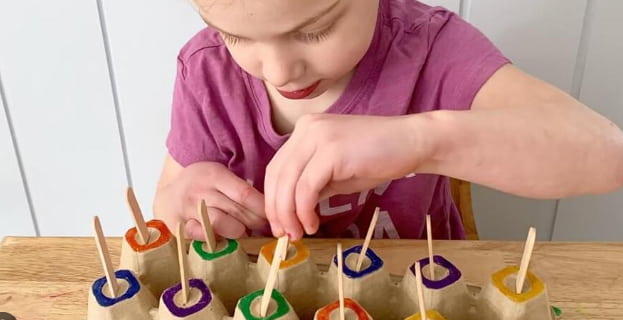
Items like large wooden spoons and clean sponges provide excellent, risk-free tactile stimulation that babies crave.
Incorporating a rich variety of materials—such as smooth plastics, rough fabrics, and cold metals—helps build a diverse sensory vocabulary, which is noted to be crucial for helping babies process complex environmental data smoothly.
These specific activities are carefully designed to target different aspects of physical development, from refining the palmar grasp to enhancing bilateral coordination, ensuring a well-rounded and deeply engaging approach to your baby’s daily playtime.
| Household Item | Proposed Activity Setup | Targeted Motor Skill Goal |
| Pasta Colander & Pipe Cleaners | Pushing fuzzy pipe cleaners through the small holes of the colander. | Precision focus and advanced hand-eye coordination. |
| Muffin Tin & Large Pom-Poms | Transferring pom-poms into the tin compartments using hands. | Developing the pincer grasp and basic sorting skills. |
| Painter’s Tape on a Highchair | Peeling strips of blue painter’s tape stuck lightly to the tray. | Finger isolation strength and targeted dexterity exercises. |
| Empty Water Bottle & Dry Pasta | Dropping large, dry penne pasta into the narrow opening of the bottle. | Visual tracking refinement and enhanced spatial awareness. |
Kitchen Sensory Bins: Exploring Textures and Tactile Grip
Creating a sensory bin is one of the most versatile and deeply engaging motor skill activities you can introduce to a growing, curious toddler. By filling a shallow, plastic storage container with a safe base material like dry oats or rice, you instantly create a captivating landscape of discovery.
Burying small, safe toys within this base naturally encourages children to dig, scoop, and pinch with their fingers. Experts observe that this type of open-ended play deeply engages their proprioceptive system, helping them physically understand how much muscular force to apply.
The addition of simple kitchen tools elevates the homemade sensory bin from a basic tactile experience to a complex mechanical challenge. Providing your little one with measuring spoons or small silicone cups strongly invites them to practice transferring materials independently.
Fostering Independence: Daily Motor Skill Activities
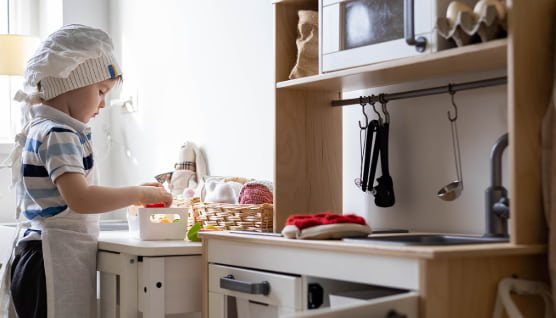
Integrating motor skill activities directly into your child’s daily routine, such as during dressing or mealtime, seamlessly builds their fine muscle strength without feeling like a chore.
When a determined toddler attempts to pull off their own socks or push their arms through a tight shirt sleeve, they are actively engaging in complex physical problem-solving. Pediatricians strongly emphasize that allowing children the extra time to struggle slightly with these safe, daily tasks fosters an incredible, lasting sense of autonomy.
This organic, everyday practice is crucial for building their intrinsic motivation and long-term physical confidence. Every small struggle during dressing is a hidden fine motor control masterclass.
Mealtime is arguably the most consistent and rewarding opportunity for natural dexterity exercises in a baby’s busy day. The exciting transition from smooth purees to solid finger foods is not just a dietary milestone; it is a major developmental workout for their hands.
Frequently Asked Questions (FAQ)
When should I start introducing motor skill activities to my baby?
Parents frequently ask when they should begin, and pediatric experts generally agree that simple, safe tactile play can begin as early as three to four months of age. At this very early stage, development is mostly about reaching, grasping, and swatting at dangling, colorful objects.
As they grow older and more physically stable, you can slowly introduce more complex motor skill activities like sorting and transferring. It is observed that following your baby’s natural curiosity and physical readiness, rather than a strict timeline, yields the best developmental results.
Is it normal if my toddler strongly prefers using one hand over the other?
It is a very common concern whether a child’s preference for using their left or right hand during dexterity exercises is an early, permanent sign of handedness. According to child development experts, true handedness rarely solidifies before the age of two or three. Infants are naturally ambidextrous, often switching hands depending on which side a fascinating object is placed.
It is highly recommended to present household items directly in the center of their visual field, gently encouraging them to use both hands and promote balanced bilateral coordination.
What should I do if my child gets frustrated and refuses to play with the household items?
If your child seems completely disinterested or gets angry with the carefully prepared household setups, it is crucial to remember that every child’s developmental timeline is beautifully unique. If they ignore the colander and pipe cleaners today, simply put it away and reintroduce it a few weeks later without any applied pressure.
Your primary role is to be a supportive, loving guide, not a demanding teacher. Keep exploring your home for safe textures, celebrate their tiny victories, and know that your gentle encouragement is the ultimate key to their thriving physical independence.