Parent’s Note: Back-to-school anxiety is best managed by explicitly acknowledging the child’s feelings, establishing predictable daily routines weeks in advance, and fostering open communication to build long-term psychological resilience.
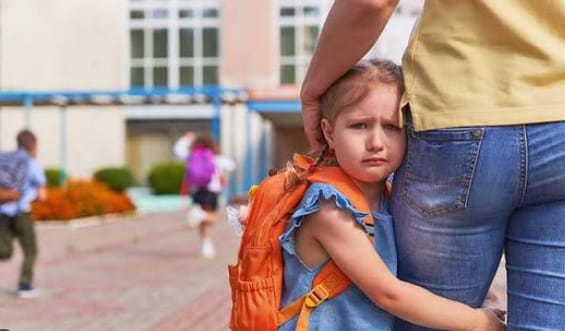
Back-to-school anxiety is fundamentally rooted in a profound fear of the unknown and it is most effectively mitigated through early preparation, emotional validation and the gradual reintroduction of consistent daily routines.
According to pediatric experts, validating a child’s complex feelings rather than dismissing them significantly lowers their stress hormones, allowing them to process the transition safely.
Many parents worry in this situation, and that is completely normal; feeling anxious about your child’s anxiety simply shows how deeply you care about their well-being.
By focusing heavily on connection and gradual adjustments, you create a safe, supportive environment where they feel truly understood.
REAL LIFE EXPERIENCE FROM PARENTS:
In my own journey of parenting, the end of August used to feel like a rapidly ticking clock, reliably bringing out a wave of unexplained tears and intense bedtime resistance in our home. I initially tried to “fix” the problem by overly hyping up how fun the new school year would be, which surprisingly backfired and made the separation anxiety noticeably worse.
It was only when I finally stopped cheering and started genuinely listening—simply saying, “I know it feels really scary right now“—that the emotional walls came down. I quickly realized that our children don’t always need us to solve their complex problems; they just need us to sit with them in their uncertainty.

Emotions: Back-to-School Anxiety Causes
Understanding the underlying triggers of back-to-school anxiety is the critical first step in providing the precise support required for your child’s mental well-being. This apprehension rarely stems from a single, isolated source; rather, it is observed that a combination of changing environments, new authority figures, and abruptly disrupted sleep schedules creates a perfect storm for emotional dysregulation.
Children often lack the complex vocabulary needed to articulate these layered, invisible fears, causing their internal distress to manifest externally as severe irritability, persistent sleep disturbances, or unexplained physical symptoms like headaches.
When we closely examine the psychological mechanics, the sudden shift from the high autonomy of summer to the high demand of a rigorous classroom severely taxes a child’s coping mechanisms.
According to developmental psychologists, it is frequently observed that children experience significantly heightened cortisol levels during the critical first weeks of a new academic term.

Parent-Child Connection Importance
Many parents worry in this situation, and that is completely normal; witnessing your child struggle with intense, invisible pressures is universally challenging. Recognizing that these intense reactions are physiological rather than merely behavioral helps us approach the entire situation with necessary, unwavering compassion.
To effectively navigate this vulnerable period, parents must actively decode the specific, underlying stressors affecting their child rather than applying a generic, one-size-fits-all solution.
Whether it is the profound fear of navigating a massive new school building, the heavy pressure of a more difficult academic workload or the daunting uncertainty of forming new friendships, each trigger requires a highly tailored approach.
By gently initiating casual, low-pressure conversations during relaxed family activities, you can naturally uncover what is truly bothering them. This investigative approach not only clarifies the core problem but also substantially strengthens your parent-child connection.
Academic Pressure: Fear of Falling Behind
One of the most prevalent and damaging components of back-to-school anxiety is the looming dread of academic stress and the paralyzing fear of inadequacy. After months away from structured, rigorous learning, many students, particularly natural perfectionists, deeply worry that they have forgotten previous material or that the new grade level will simply be too difficult to manage.
This intense anticipation of failure can completely paralyze their motivation, leading to severe procrastination or an outright refusal to engage in any school-related preparations. It is observed that setting overly high expectations during this vulnerable transition time can inadvertently exacerbate their inner turmoil.
To actively counteract this specific fear, it is highly beneficial to consciously shift the family’s focus from performance and final grades to the actual, messy process of learning and trying. Repeatedly reminding them of past academic hurdles they successfully overcame builds a powerful internal narrative of competence and psychological resilience.

Social Dynamics: Navigating Peer Relationships
Beyond the rigid classroom curriculum, the incredibly intricate web of peer relationships is a massive, often hidden source of anxiety for children of all ages. Re-entering a bustling, noisy social environment means directly facing the painful potential for social exclusion, cyberbullying, or the heavy pressure to seamlessly fit into newly formed cliques.
For naturally introverted children, the sheer volume of social interaction required during a typical school day can feel incredibly draining and deeply intimidating. Experts strongly suggest that the fear of social rejection often far outweighs academic concerns, making social integration a primary focus for crucial parental support.
Proactive Coping Strategies
Equipping your child with highly actionable proactive coping strategies is absolutely essential for minimizing the disruptive impact of back-to-school anxiety long before it peaks. The most effective, lasting interventions are those implemented gradually, allowing the child’s developing mind and body to slowly acclimate to upcoming changes without ever feeling unnecessarily rushed.
It is observed that children who actively participate in preparing for the new year—such as organizing their own study space or carefully selecting their supplies—feel a much greater sense of autonomy. This vital empowerment directly combats the overwhelming helplessness that often fuels severe anxiety and school refusal.
Establishing a rock-solid foundation of emotional safety requires parents to consciously model healthy, effective stress management in their own fast-paced daily lives. Children are incredibly perceptive creatures and will easily absorb a parent’s unspoken, hidden anxieties about the upcoming, demanding academic year.
Many parents worry in this situation, and that is completely normal; managing your own adult stress is just as crucial as managing their childhood worries. By consistently demonstrating calm problem-solving and openly expressing positive anticipation for the school year, you provide a highly comforting emotional anchor.

Back to School Emotional Regulation
A highly structured, visual approach to the chaotic weeks leading up to school can make a monumental difference in exactly how the transition is experienced. Using clear visual aids, maintaining consistent timelines, and setting highly clear expectations dramatically reduce the heavy cognitive load on a child’s rapidly developing brain.
To actively help families organize this highly critical period, the following comprehensive table outlines a progressive, week-by-week strategy designed to gently reintroduce structure and deeply build emotional regulation skills well prior to the first day.
| Preparation Phase | Focus Area | Recommended Action | Expected Benefit |
| 3 Weeks Before | Sleep Routine Adjustment | Move bedtime earlier by 15 minutes every few days. | Resets the circadian rhythm smoothly without causing sudden, severe sleep deprivation. |
| 2 Weeks Before | Academic Re-engagement | Introduce 20 minutes of daily reading or light puzzles. | Awakens cognitive functions and significantly reduces the shock of academic demands. |
| 1 Week Before | Logistics & Familiarity | Pack backpacks together and practice the morning commute. | Eliminates the deep fear of the unknown regarding daily, fast-paced logistics. |
| The Day Before | Emotional Grounding | Plan a relaxing family dinner and lay out clothes. | Minimizes morning chaos and provides a safe space for last-minute, urgent worries. |
Transition Routines: Easing the Shift from Summer to School
Creating highly predictable transition routines is perhaps the single most powerful tool in reducing the intense friction between carefree summer days and highly structured school mornings. When a child knows exactly what to expect at every turn, their brain spends significantly less energy frantically scanning for threats, which naturally lowers their baseline anxiety.
The transition should definitely not happen overnight; it absolutely requires a deliberate, phased approach that deeply respects the child’s biological need for adjustment. By systematically and gently shifting household rhythms, you transform a potentially chaotic shift into a smooth, highly manageable glide path.
To fully optimize these essential routines, strict consistency and open collaboration are the key elements that ensure long-term, lasting success. Implementing highly structured habits undeniably requires patience, but the long-term psychological payoff for your child’s overall well-being is truly immense. Here are a few highly vital practices to actively incorporate into your transition plan:
- Consistent Wake Times: Establish a strict, non-negotiable morning wake-up time to perfectly regulate their internal biological clock.
- Visual Schedules: Create a highly colorful, easy-to-read chart detailing exact morning and evening tasks to promote ultimate independence.
- Designated Wind-Down: Enforce a strict, screen-free hour right before bed to drastically improve sleep quality and facilitate deep relaxation.
Empowering Independence: Nurturing a Confident Start
As the brand new school year officially dawns, actively fostering your child’s growing sense of independence is the ultimate, proven antidote to any lingering back-to-school anxiety. When children genuinely feel capable of successfully managing their own daily responsibilities, their natural confidence quickly overtakes their initial apprehension.
Actively encouraging them to take full ownership of small tasks, like organizing their lunchbox or carefully choosing their outfit, builds a highly robust sense of self-efficacy. It is widely observed that children who feel trusted with real responsibilities at home seamlessly translate that confidence directly into the classroom.
Frequently Asked Questions (FAQ)
How long does back-to-school anxiety typically last in children?
According to pediatric experts, it is generally observed that mild to moderate back-to-school anxiety naturally subsides within the first two to three weeks of the new academic term.
As the child slowly becomes highly familiar with their new teacher, the classroom layout, and the daily routine, their intense fear of the unknown steadily diminishes.
What should I do if my child outright refuses to go to school?
School refusal requires a highly calm, strictly non-punitive, and deeply collaborative approach involving both the parents and the school administrators.
It is absolutely crucial to gently uncover the specific trigger—whether it is intense academic stress, a hidden bullying issue, or severe separation anxiety—before forcing mandatory attendance.
Can I stay at the school during the first few days to ease the transition?
While it might seem incredibly helpful in the moment, experts generally advise strongly against lingering at the school, as prolonged, drawn-out goodbyes very often exacerbate separation anxiety.
Instead, it is highly recommended to establish a very quick, deeply loving, and highly predictable drop-off routine.