Parent’s Note: W-sitting in toddlers is generally harmless, but prolonged, exclusive use can strain developing hip joints and delay core stability development, according to pediatric experts.
W-sitting in toddlers is a very common floor posture where a child sits on their bottom with knees bent, feet tucked outside their hips, creating a distinct “W” shape. This posture provides an incredibly wide base of support, which means the child does not have to use their abdominal muscles to balance while playing.
Because it feels so remarkably stable, many children naturally gravitate toward this position during deep, focused activities. While it looks visually uncomfortable to adults, joint hypermobility in young children allows them to easily slip into this stance without experiencing any immediate pain or discomfort.
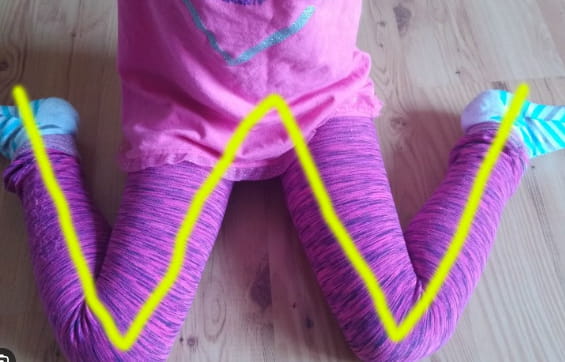
Parents’ Real-life Experience
As a parent, seeing your child folded into that awkward “W” shape on the living room floor can instantly trigger a wave of anxiety about their future mobility. Many parents worry about this exact posture, and it is entirely normal to feel concerned when you notice your little one defaulting to it. In my own journey,
I remember constantly repositioning my child’s legs, wondering if I was overreacting or preventing a serious orthopaedic issue. This guide blends those real, sleepless nights of parenting worries with safe, expert-backed insights to help you navigate this common developmental phase without the panic.
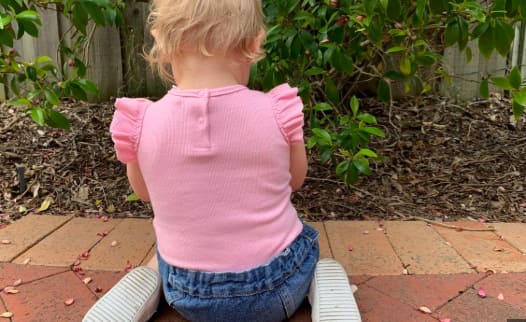
W-Sitting Mechanics: Hip Joint Alignment
The mechanical reality of W-sitting in toddlers involves extreme internal rotation of the hip joints, which can place unnecessary stress on developing ligaments over time. When a child drops into this stance, the femur (thigh bone) is heavily twisted inward, while the lower legs splay outward.
Many parents are naturally alarmed by this severe contortion, but it is merely a common mechanical shortcut children utilize for instant stability. Over extended periods, experts suggest that this sustained internal rotation may influence the structural alignment of the hips, particularly if a child has underlying muscle tone variations.
Furthermore, this specific sitting arrangement heavily limits a child’s ability to cross the midline of their body, which is a vital developmental milestone. Crossing the midline—such as reaching across the body to grab a toy—requires active trunk rotation and dynamic weight shifting.

W-Sitting and Pediatric Physical Therapy
Because W-sitting securely locks the pelvis in a fixed, backward-tilted position, these dynamic movements are severely restricted. Consequently, it is observed that children who exclusively sit this way might experience slight delays in developing bilateral coordination, relying instead on a static, symmetrical way of interacting with their physical environment.
It is also crucial to thoroughly recognize the relationship between this posture and the healthy development of the knees and feet. The outward angling of the lower legs can sometimes exacerbate a condition known as tibial torsion, where the shinbone twists naturally but is reinforced by poor sitting habits.
Moreover, pediatric physical therapy professionals often note that prolonged use of this position might contribute to flat feet or pigeon-toed walking. While occasional use is generally not an immediate crisis, making it the primary play posture fundamentally changes the mechanical forces applied to rapidly growing bones.
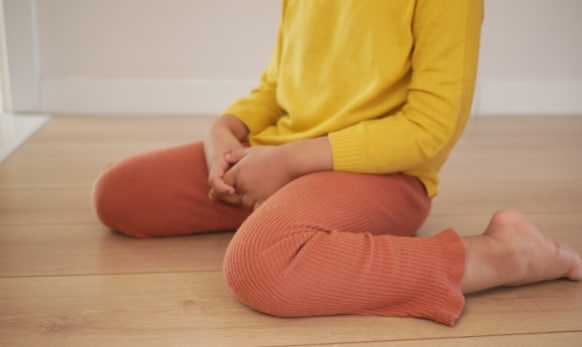
Core Strength Impact: Muscle Development and Posture
Core stability is frequently compromised when toddlers adopt the W-sitting posture, as the position artificially substitutes for true abdominal and back strength. A robust core is the absolute foundation for all coordinated movement, from running to jumping and eventually performing fine motor tasks like writing.
In a standard sitting position, the trunk muscles must actively fire to keep the child properly upright. However, the W-shape creates a physical tripod that completely turns off these essential stabilizing muscles, allowing the child to passively rest on their joint structures rather than engaging their active musculature.
Over months of consistent W-sitting, this lack of core engagement can progressively lead to a noticeable weakness in the trunk and lower back areas. Children might start to visibly slouch or demonstrate difficulty maintaining an upright posture when seated in a standard classroom chair later on.
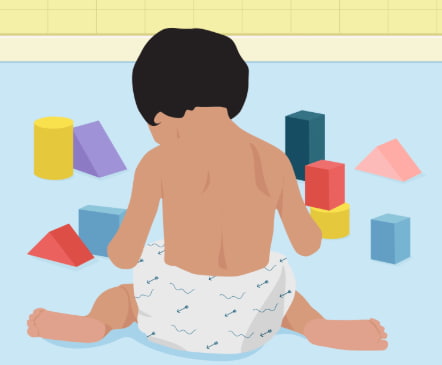
Sitting Posture and Rotation Table
This is precisely why many developmental specialists strongly emphasize the crucial importance of varied sitting positions on the floor.
Below is a structured comparison of how different sitting postures influence muscle engagement, helping parents understand why variety is the healthiest approach for long-term physical development.
| Sitting Posture | Core Muscle Engagement | Hip Joint Rotation | Midline Crossing Ability |
| W-Sitting | Very Low (Relies on joints) | Extreme Internal | Restricted |
| Tailor Sitting (Criss-Cross) | High (Requires active balance) | External (Healthy) | Excellent |
| Side-Sitting | Moderate (Builds obliques) | Mixed (Internal & External) | Very Good |
| Long Sitting (Legs straight) | Very High (Stretches hamstrings) | Neutral | Good |
Identifying Risks: W-Sitting Attention
Identifying true risks associated with W-sitting in toddlers involves actively watching for signs of physical discomfort, limping, or an inability to sit in any other functional position. It is completely normal for a child to briefly transition through a W-shape while moving seamlessly from crawling to a seated position.
The genuine concern arises only when this becomes the exclusive, unbreakable, and dominant daily habit. Parents often feel a surge of panic when reading about orthopedic risks, but remembering that frequency and duration are the actual determining risk factors can help ease that unnecessary parental stress.
To clearly clarify when intervention might be actively beneficial, it is incredibly helpful to look for specific behavioral and physical patterns during their daily playtime.
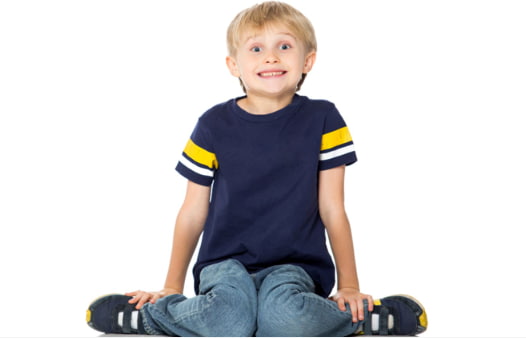
Experts generally evaluate a combination of symptoms rather than just isolating the sitting posture itself. Here are some key indicators that might strongly warrant a professional pediatric evaluation:
- Inability to comfortably sit in a criss-cross (tailor sitting) position.
- Noticeable weakness or unusual clumsiness when running or climbing stairs.
- A diagnosed medical history of hip dysplasia or exceptionally low muscle tone.
- Consistent complaints of leg, knee, or hip joint pain after engaging in floor activities.
Red Flags in Mobility: Observing Transition Movements
Evaluating exactly how your child physically transitions between different floor positions provides the most accurate, holistic picture of their overall gross motor skills and joint health. A healthy, developing toddler should fluidly move from their tummy, onto all fours, into a stable sitting position, and smoothly back again.
If they consistently drop their bottom directly between their heels from a high kneeling position, they are completely bypassing the vital rotational movements that build strong, flexible hips. Monitoring these dynamic transitions reveals far more profound insights about their muscle strength than static sitting alone.
Gentle Corrections: Healthier Sitting Habits
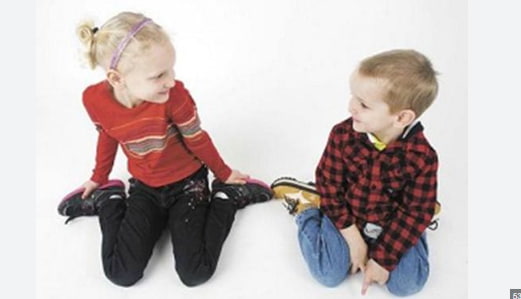
The absolute most effective way to organically correct W-sitting in toddlers is through gentle, highly positive redirection rather than scolding or abruptly moving their delicate legs.
When you spot your child dropping into the W-shape, casually offering a simple verbal cue like “feet in front” or “criss-cross applesauce” works absolute wonders over time.
Many parents feel incredibly guilty for having to constantly correct their child, but this repetition is a very standard, loving part of guiding physical development. Consistency, seamlessly paired with an encouraging tone, effectively helps rewire the child’s physical habits without creating any negative emotional association.
Play-Based Alternatives: Tailor Sitting and Side-Sitting
Proactively introducing tailor sitting (criss-cross) and functional side-sitting during highly engaging activities naturally builds the precise core stability needed to comfortably abandon the W-shape forever. Tailor sitting requires the young child to actively balance their torso, while external rotation safely and effectively opens the hip joints.
Side-sitting, where both legs are purposefully bent to one specific side, is incredibly beneficial because it strongly encourages vital weight-shifting and effectively prepares the body for complex rotational movements.
When a child is deeply focused on a fun, new toy, gently adjusting their legs into these positions often goes completely unnoticed.
Gross Motor Skills and Toddlers
To strategically make these alternative, healthier postures even more physically appealing, intentionally incorporate fun games that require dynamic reaching and twisting, which naturally break the static W-stance.
For excellent example, placing favorite puzzle pieces slightly out of reach or on either side of the child forcefully prompts them to stretch and physically cross their midline.
This highly dynamic play not only rapidly strengthens their critical gross motor skills but also simultaneously makes the W-position feel physically restrictive, ultimately encouraging them to naturally choose more active sitting styles independently. Over a few short weeks, these play-based adjustments yield incredible results.
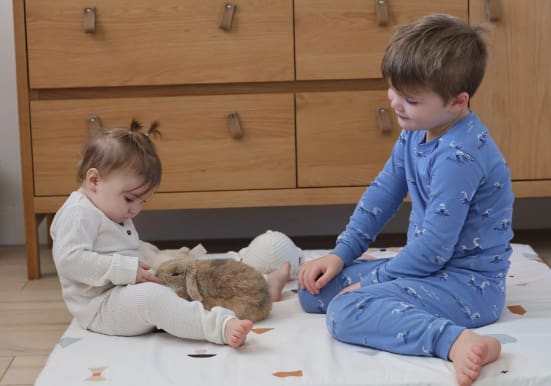
Moving Forward: Empowering Your Toddler’s Posture
Consciously shifting your daily perspective from orthopaedic fear to proactive empowerment is the single most crucial step in successfully managing W-sitting in toddlers and properly supporting their lifelong physical health.
Instead of constantly viewing this common posture as a looming developmental crisis, wisely treat it as a gentle, helpful signal that your child’s underlying core stability could simply use a little playful, daily boosting.
Many dedicated parents feel deeply overwhelmed by the intense modern pressure to perfect their child’s physical development, but strongly remember that young growing bodies are incredibly resilient, forgiving, and highly adaptable to positive change.
FAQ About W-Sitting in Toddlers
Thoroughly addressing the most common, anxiety-inducing parental concerns about W-sitting in toddlers fundamentally helps demystify the entire topic and provides crystal-clear, highly actionable answers for your daily parenting life.
Can frequent W-sitting cause permanent, irreversible hip damage?
While it is exceedingly rarely the sole, primary cause of severe joint damage in an otherwise healthy child, specialists sternly warn that it can potentially exacerbate hidden, underlying issues like hip dysplasia if left completely unchecked for many consecutive years.
At exactly what age should I actively stop my child from constantly W-sitting?
It is widely observed in pediatric practice that most healthy children will naturally outgrow this specific habit by the time they reach age eight, primarily as their physical center of gravity shifts and core muscles naturally strengthen.
Does a preference for W-sitting definitively mean my child has dangerously low muscle tone?
Not necessarily at all, but it is a very frequent, logical compensatory strategy specifically for children who do experience mild, undiagnosed low tone in their central trunk.
Because the W-posture inherently provides a remarkably wide, perfectly stable base without requiring any active abdominal effort, it remains an incredibly easy, tempting shortcut for a physically tired toddler.