Editor’s pick: To introduce a baby transition object for better sleep, consistently include a safe, breathable lovie in their calming bedtime routine while staying close, allowing them to build a comforting association with the item over a few weeks.
When navigating the delicate balance between nurturing your infant and encouraging independent rest, a soft lovie acts as a highly effective gentle bridge.
By anchoring their sleep habits to a tangible item, you immediately provide comfort that remains even after you leave the nursery, directly supporting a much more peaceful and uninterrupted night for the entire family.

You Are Not Alone in the Sleep Struggle
Many parents find themselves tip-toeing out of the nursery, holding their breath, only to hear their little one wake up crying the moment the door clicks shut. We have been there too, feeling that familiar mix of deep exhaustion and overwhelming love, wishing for a gentle way to help our babies feel secure when we step away.
Sleep deprivation is incredibly tough on families, and actively seeking a soft, comforting solution is a wonderful, proactive step toward resting peacefully again without ever feeling any unnecessary guilt about needing a break.
Clinical observations suggest that introducing a baby transition object can significantly ease separation anxiety by providing a tangible sense of your comforting physical presence. When little ones wake up in the middle of the night, having that familiar lovie nearby helps them self-soothe and drift back to sleep without always needing to call out for you.

Choosing the Perfect and Safe Lovie
Selecting the right baby transition object is the foundational step before beginning the gentle introduction process. According to pediatric guidelines, safety must always come first, meaning the item should be completely free of loose parts like button eyes, ribbons, or beads that could ever pose a choking hazard.
A breathable, lightweight material, such as a small muslin blanket or a soft plush toy with securely stitched features, is strictly ideal for your child to snuggle safely throughout the night without obstructing their breathing during deep sleep.
Beyond basic safety considerations, sensory appeal plays a massive role in whether your little one will genuinely bond with the carefully chosen item.
Babies explore the world primarily through touch and smell, so finding a fabric that feels incredibly soft against their delicate skin will naturally encourage them to hold it much closer.
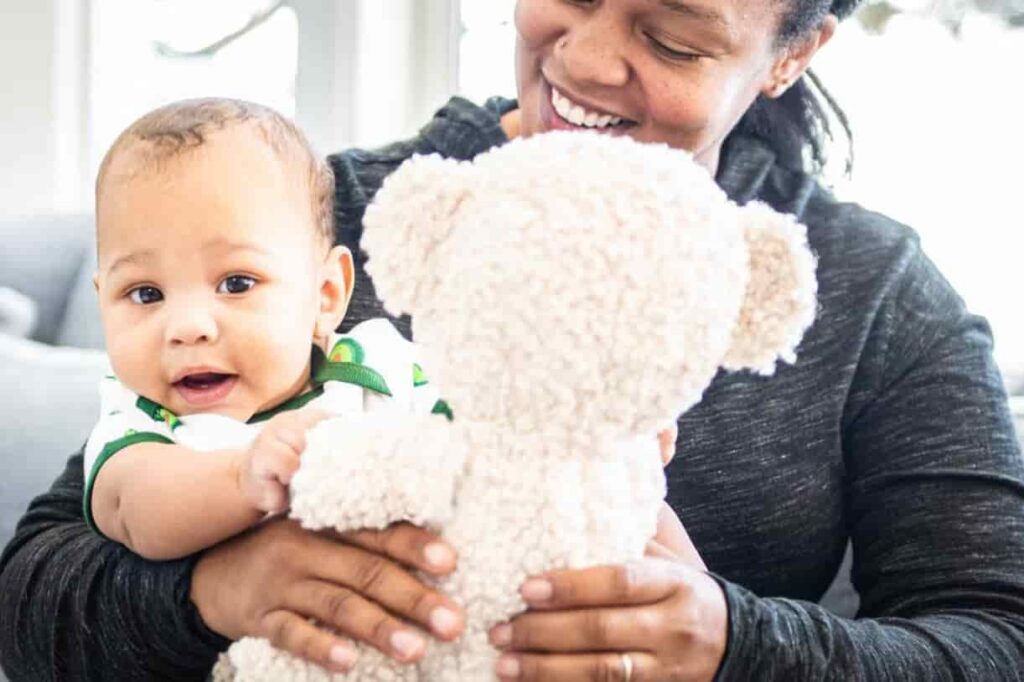
Exact Backup and Sensory Tricks
Consider buying two identical items once you notice a distinct preference; having an exact backup instantly prevents heartbreak if the primary lovie ever goes missing, gets dropped outside, or simply needs a thorough trip through the washing machine.
It is often incredibly helpful to choose something that can easily absorb your scent, as your smell is the ultimate comfort for your developing child. Some parents thoughtfully tuck the chosen item under their shirt for a few hours before offering it, instantly making the new toy feel deeply familiar and highly soothing to their baby.
This simple sensory trick effectively transforms an ordinary piece of fabric into a powerful emotional anchor, bridging the wide gap between your physical embrace and their independent sleeping space with an invisible layer of reassurance.
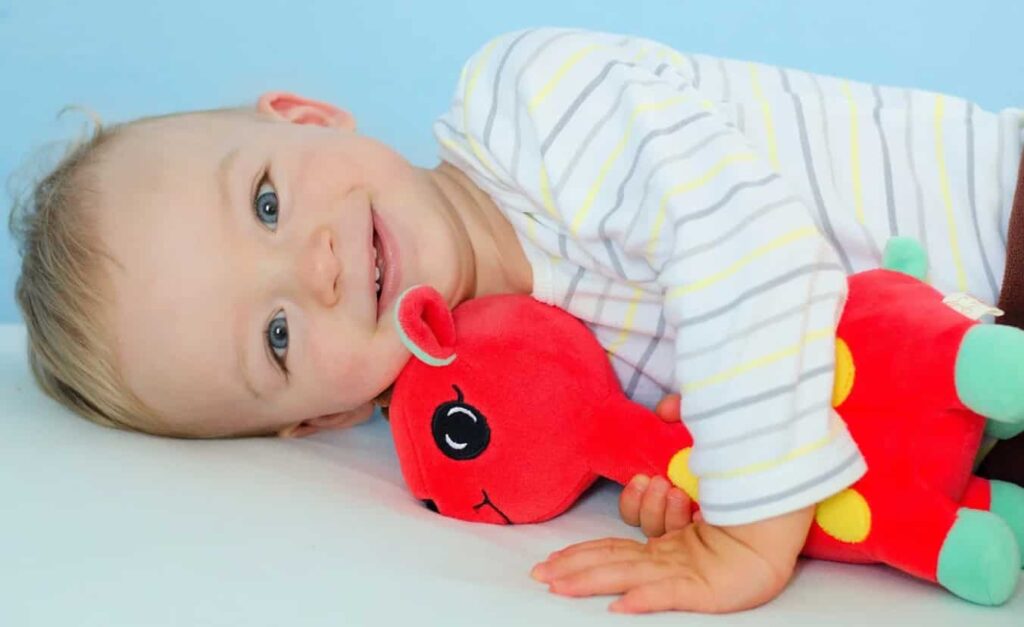
Age Guidelines for Transition Objects
Timing is absolutely everything when it comes to safely introducing a baby transition object into the dedicated crib environment. The American Academy of Pediatrics advises keeping the sleep area completely bare—no loose blankets, pillows, or plush toys—until a baby is at least twelve months old to significantly reduce sleep-related risks.
However, well before the one-year mark, you can safely use a lovie during supervised awake times, nursing sessions, or car rides to start building that positive association early without ever compromising their nighttime sleeping safety.
Once your pediatrician gives the clear green light, usually around the important first birthday, the lovie can finally safely accompany your toddler directly into the crib. At this developmental stage, toddler separation anxiety often peaks, making the transition object an incredibly timely and highly supportive companion for sudden nighttime awakenings.
Navigating these major developmental milestones alongside a familiar comfort item gently empowers your child to continuously practice self-soothing, turning bedtime from a highly stressful separation event into a calm, entirely predictable part of their daily evening routine.

Step-by-Step Guide to the Introduction
Building a strong emotional connection between your child and their new comfort item requires gentle consistency and deep patience rather than a rushed, forceful approach. Start by explicitly incorporating the baby transition object into your regular feeding or nursing sessions, gently resting it right between you and your baby while they peacefully eat.
This cozy, peaceful environment naturally links the lovie with the ultimate feelings of nourishment, warmth, and parental love, effectively laying down the essential emotional groundwork for reliable future soothing capabilities when they are entirely alone.
Next, make the chosen item an active, highly visible participant in your deeply established bedtime routine, keeping it involved during all low-stress evening activities.
- Hold the soft lovie directly between you while reading a gentle storybook together.
- Let your toddler stroke the fabric thoughtfully while you sing a quiet lullaby in the chair.
- Include the object warmly in the final goodnight hugs and kisses before lowering them into the crib. By consistently associating the lovie with the relaxing wind-down period, you are subtly communicating that this soft friend is a reliable signal to rest.
| Phase | Timeframe | Primary Focus Area | Goal to Achieve |
|---|---|---|---|
| Phase 1 | Days 1-3 | Supervised feedings and cuddles | Link the object directly to parental warmth and daily nourishment. |
| Phase 2 | Days 4-7 | Evening wind-down routines | Associate the lovie deeply with calmness, stories, and relaxation. |
| Phase 3 | Week 2 | Naptime integration | Build immense trust during shorter, highly supervised daytime sleep periods. |
| Phase 4 | Week 3+ | Full nighttime crib access | Empower independent self-soothing reliably throughout the entire long night. |
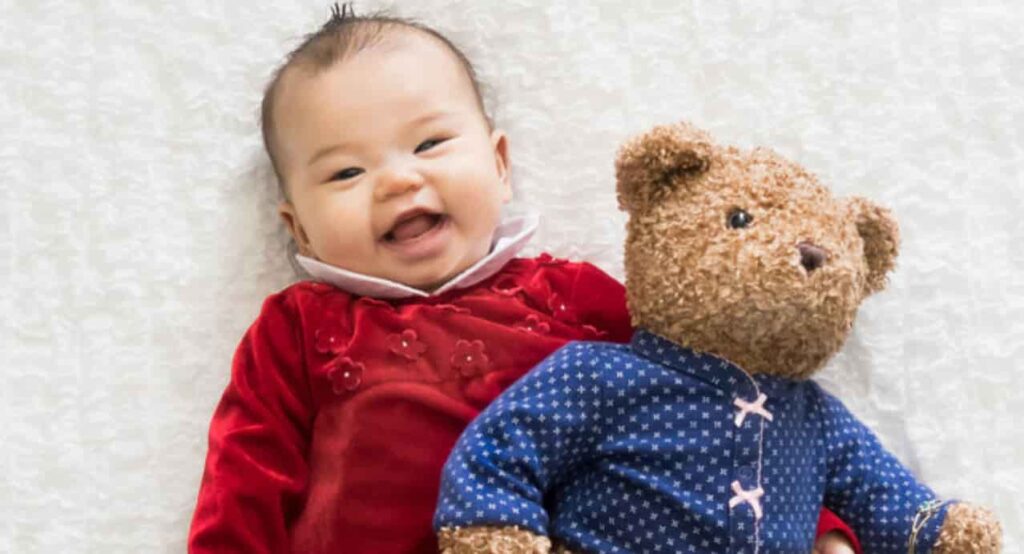
Integrating “Object” into Daily Milestones
A baby transition object is not merely a beneficial tool for better sleep; it can rapidly become a powerful, calming ally in navigating complex daytime developmental challenges as well. When facing a highly dreaded milestone like the very first day of daycare, bringing the familiar lovie along provides a continuous, soothing thread of home and safety in a completely new environment.
Experienced teachers and caregivers often welcome these comfort items warmly, deeply knowing they serve as an effective emotional buffer that helps toddlers process temporary separation from their parents with far less distress.
Transition objects also shine brilliantly during routine medical appointments, long family car rides, or when visiting unfamiliar relatives for the busy holidays. Having their deeply trusted companion tucked safely under their arm can genuinely lower their physiological cortisol levels, noticeably reducing the frequency and intensity of tantrums and easing overall anxiety during stressful, overstimulating moments.
By intentionally allowing the lovie to actively participate in these broader life events, you strongly reinforce its vital status as a reliable source of security, which ultimately makes it even more highly effective at bedtime.

Frequently Asked Questions
When should we start using a baby transition object?
According to strict pediatric guidelines, you must keep the infant crib completely empty until your baby is twelve months old to ensure maximum overnight safety. However, you can safely begin introducing the lovie during fully supervised daytime activities, such as nursing or reading stories, when your child is around six months old.
This highly deliberate approach allows the emotional bond to form gradually so that by the time they are finally old enough to sleep with it safely, the object is already a deeply trusted source of soothing daytime comfort.
What if my baby becomes too dependent on the lovie?
It is completely natural for caring parents to worry intensely about their child forming an unhealthy over-reliance on a specific comfort item.
Can a standard pacifier effectively serve as a transition object?
Yes, standard pacifiers often function beautifully as an excellent early baby transition object because the physical act of sucking is inherently soothing for young, anxious infants.

A Gentle Path Forward for Your Family
Helping your growing little one sleep peacefully is an ever-evolving journey that deeply requires gentle patience and a profound understanding of their highly unique emotional needs.
By purposefully introducing a baby transition object with unwavering consistency and tender care, you are actively giving them a truly precious developmental gift: the lifelong ability to find genuine calm and emotional security purely from within themselves.
Every single small, thoughtful step you confidently take together, from carefully choosing a breathable soft fabric to warmly tucking it into your shirt, beautifully builds a bridge toward independence.
We have personally walked this exact, exhausting path and completely know firsthand the profound, overwhelming relief that warmly washes over you when your child finally learns to settle back down safely on their own.
Lean fully and softly into the entire process, strongly trust your well-honed parental instincts, and make sure to consciously celebrate the small daily victories, even if it is just a brief, quiet moment of your toddler hugging their lovie tightly.