Editor’s note: Mastering baby sleep while traveling comes down to recreating three core home sleep cues—darkness, continuous white noise and a familiar scent—while prioritizing flexible wake windows over rigid clock schedules.
When you step out of your daily routine, your little one does not need an identical nursery to rest well; they simply need predictable sensory signals that tell their developing nervous system they are safe.
By focusing on portable comfort items, safe sleep surfaces, and responsive bedtime adjustments, your family can explore new destinations without sacrificing restorative nighttime rest.
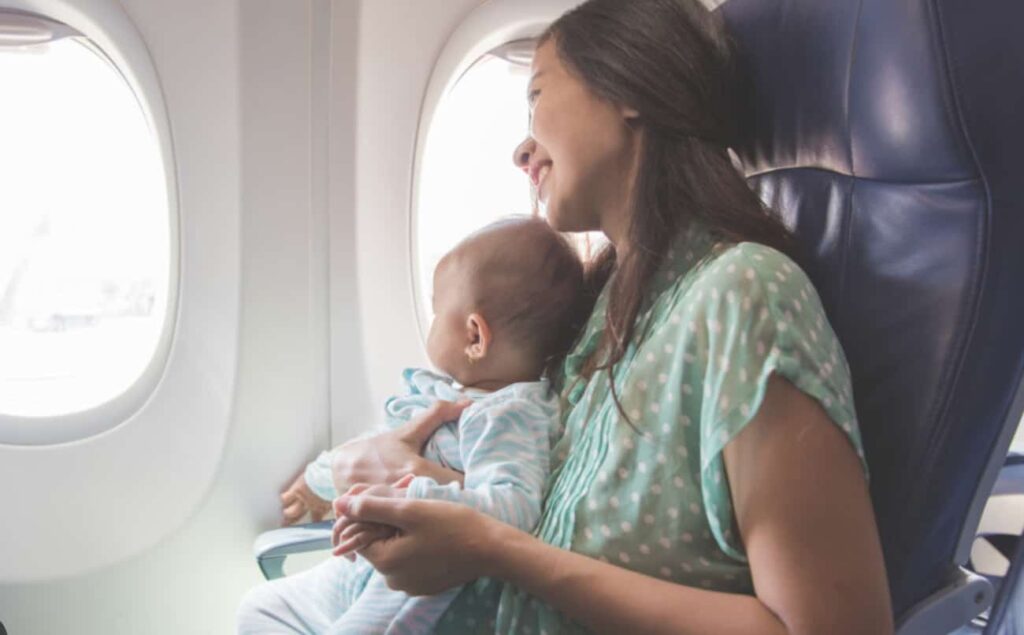
Real Life Experience: We Have Been in That 2:00 AM Hotel Room Too
We have all been there—tiptoeing across a creaky hotel floor in the pitch dark, holding our breath while praying the mini-fridge does not click on and wake a restless baby.
Planning a family trip often brings a quiet wave of dread alongside the excitement because we work so hard to build peaceful sleep habits at home, and the thought of undoing months of progress feels exhausting.
Please take a deep breath and know that bumpy travel nights do not mean you have failed; adjusting to a brand-new environment is simply a big emotional leap for little ones.

Why Baby Sleep While Traveling Difficult
Understanding why little ones struggle in unfamiliar beds takes the pressure off your shoulders and helps you respond with calm confidence rather than midnight frustration.
Clinical observations suggest that infants and toddlers rely heavily on external environmental cues to regulate their internal circadian rhythm and trigger nighttime melatonin production.
When a child experiences bright airports, unfamiliar traffic sounds, or crisp hotel sheets instead of their own mattress, their brain naturally stays on alert, releasing mild bursts of cortisol that can temporarily delay deep sleep and trigger extra nighttime check-ins.
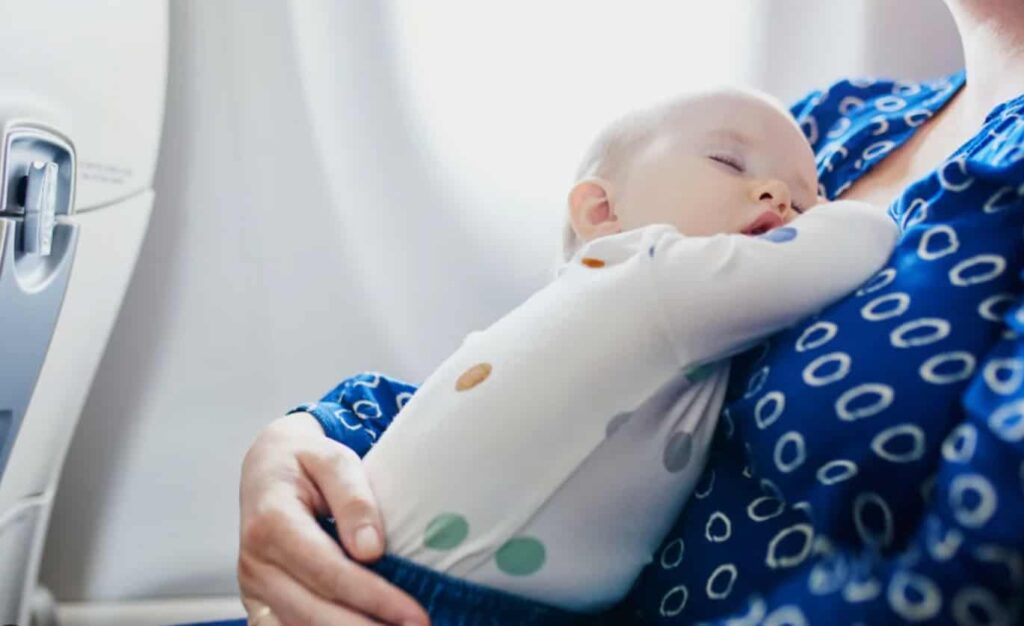
Navigating Time Zone Shifts Gently
Crossing time zones does not have to mean days of midnight play sessions when we work alongside your child’s biology rather than forcing an instant schedule flip.
Clinical observations suggest that natural morning sunlight is the most effective regulator of the human biological clock, helping reset melatonin and cortisol cycles by roughly forty-five to sixty minutes each day.
For trips lasting fewer than three days across a single time zone, keeping your home schedule often feels easiest, while longer journeys benefit from immediate morning outdoor light and early evening dimness.
Familiar Sleep Sanctuary Anywhere
When we travel with little ones, our goal is never rigid perfection; instead, we aim to pack a portable version of their bedtime routine that bridges the gap between home and away.
Babies and toddlers are remarkable sensory learners who associate specific smells, sounds, and textures with the feeling of letting go into sleep.
Bringing a few lightweight sensory anchors in your suitcase gives your child immediate emotional reassurance the moment you zip up their sleep sack, turning any unfamiliar room into a cozy, recognizable retreat.
- Pack an Unwashed Crib Sheet and Sleep Sack: Use a fitted playard sheet that your baby has already slept on at home for two nights so the fabric carries their comforting, familiar scent into the new room.
- Run Continuous Pink or White Noise: Hotel hallways, elevators, and street sounds easily startle light sleepers during REM cycles, so a portable sound machine placed several feet from the crib masks sudden noises.
- Bring Portable Blackout Solutions: Early sunrises or bright streetlamps can trick your child’s brain into waking early, making travel blackout blinds with suction cups or breathable slumber tents a true vacation lifesaver.
- Protect the Final 15-Minute Wind-Down: Keep the last three steps before lights-out identical to home—such as a warm bath, two favorite board books, and your usual lullaby—to signal that sleep is coming.
Safe Sleep Checks and Travel Crib Warm-Ups
According to pediatric guidelines from the American Academy of Pediatrics (AAP), placing your baby on a firm, flat, separate sleep surface remains essential even when you are away from home.
Because an unfamiliar Pack ‘n Play or travel crib can feel startling at bedtime, we love letting babies explore the setup during the day with a favorite teether or board book for ten minutes.
Building positive daytime associations with their portable sleep space prevents tears when evening fatigue sets in and keeps your little one safe all night.
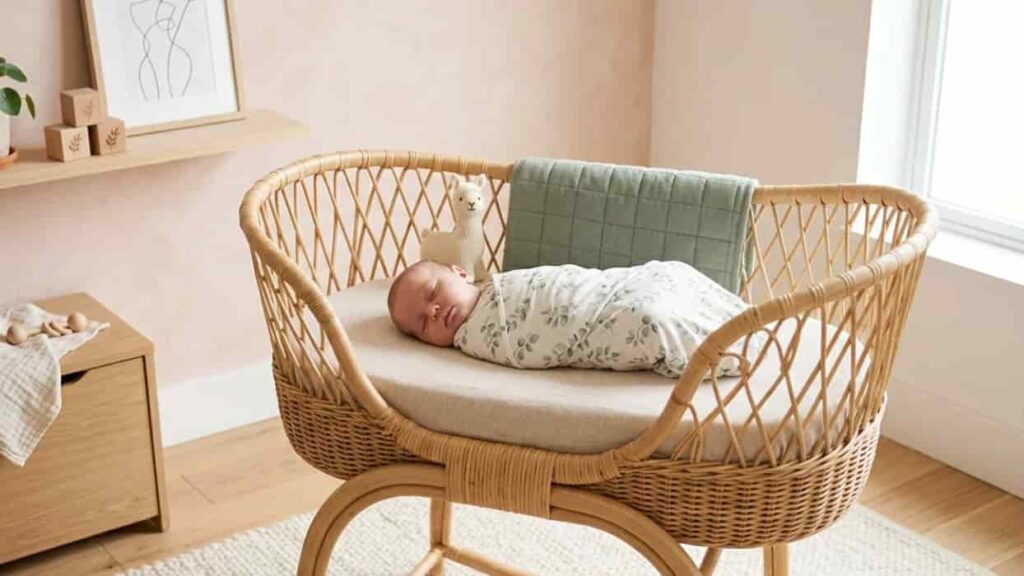
Age-by-Age Guide to Baby Sleep
A four-month-old infant and a two-year-old toddler experience travel through completely different developmental lenses, which means the strategies that worked on your last trip may need a gentle update today.
Younger babies are often wonderfully portable for daytime naps in an ergonomic carrier or stroller bassinet, whereas older infants and toddlers have stronger object permanence and notice every detail of an unfamiliar room.
Tailoring your approach to your child’s current developmental milestone removes unnecessary guesswork and helps you support their unique comfort needs.
| Age Stage | Primary Sleep Challenge | Gentle Travel Strategy | Ideal Daytime Nap Setup |
|---|---|---|---|
| 0–4 Months (Newborns) | Overstimulation and day-night confusion | Keep evening lighting dim and use familiar swaddles or sleep sacks | Ergonomic baby carrier or flat stroller bassinet walks |
| 5–11 Months (Infants) | Separation awareness and new crib textures | Use an unwashed home crib sheet and practice playard naps beforehand | Morning nap in darkened room; afternoon nap on the go |
| 12–24 Months (Young Toddlers) | Overtiredness from shortened naps | Shift bedtime 30–45 minutes earlier after busy sightseeing days | Stroller naps with breathable shade and portable white noise |
| 2–3 Years (Older Toddlers) | Testing boundaries in unfamiliar rooms | Bring a beloved lovey, use a warm nightlight, and preview the routine | Quiet car seat naps during midday drives or rest time with books |
Balance: Daytime Naps, Room-Sharing
Nobody wants to spend an entire family vacation trapped inside a dark hotel room waiting for naps to end, and the reassuring truth is that you do not have to.
Many families find a sweet spot with the 80/20 rhythm: aiming for one anchored nap in the travel crib when convenient, while letting other naps happen on the move in a stroller or carrier.
If daytime sleep runs short, offering bedtime thirty to forty-five minutes earlier prevents the overtired cortisol spike that triggers bedtime battles.
Sharing One Hotel Room Without Midnight Parties
Sharing a single hotel room often means that the moment your baby spots your silhouette at 3:00 AM, they assume morning playtime has arrived. Creating a simple visual partition between your bed and the travel crib protects everyone’s rest through light sleep cycles.
Placing the playard inside a well-ventilated walk-in nook, hanging a lightweight breathable curtain with removable painter’s tape, or using a certified sleep tent stops visual stimulation so your little one can resettle peacefully without needing a full middle-of-the-night intervention.
Frequently Asked Questions
How do I get my baby to sleep in a Pack ‘n Play on vacation?
Helping your baby settle comfortably into a Pack ‘n Play starts with making the portable space smell, sound, and feel like their crib at home.
Slip on a tightly fitted sheet they have already slept on for two nights, run continuous white noise nearby, and let them play happily inside the crib during the afternoon so the mesh walls feel familiar rather than startling at bedtime.
Should I adjust my baby’s sleep schedule for a short time zone change?
If your trip lasts fewer than three days or crosses only one to two time zones, keeping your baby on their home schedule often causes the least disruption for everyone.
For longer vacations across multiple time zones, clinical observations suggest shifting naps and bedtime gradually by thirty to sixty minutes per day while using bright morning sunlight and dim evening lighting to reset their internal clock naturally.
How long does it take for baby sleep to normalize after traveling?
Most babies and toddlers settle back into their usual sleep rhythm within two to four days of returning home once you restore consistent wake times, natural daylight cues, and familiar bedtime boundaries.
Even if you offered extra rocking, contact naps, or stroller snoozes while traveling, little ones are remarkably adaptable and quickly recognize the security of their own nursery once your regular household routine resumes.

Giving Yourself Grace When Travel Nights Are Imperfect
At the end of the day, family travel is about creating warm, lasting memories together rather than earning a perfect score on how many uninterrupted hours your child slept away from home.
There will almost certainly be a flight delay that stretches a wake window, a car nap that ends after twenty minutes, or an evening where your toddler needs a few extra minutes of cuddles to feel safe.
Offering extra reassurance on the road does not ruin your progress; it simply shows your child that you are their steady anchor everywhere.
Once you unpack your bags back home, your little one’s familiar crib, predictable daily rhythm, and cozy bedroom will welcome you both right back into your peaceful groove.
Until then, pack the white noise machine, embrace the occasional stroller nap, and give yourself permission to enjoy the adventure alongside your lovely child.