Editor’s Comment: An effective eczema care routine for babies focuses on daily lukewarm baths (under 10 minutes), followed immediately by the application of fragrance-free, ceramide-rich emollients to lock in moisture and protect the compromised skin barrier from environmental triggers.
Watching your little one struggle with itchy, red patches can be one of the most heartbreaking experiences for a new parent. Atopic dermatitis, commonly known as baby eczema, affects a significant percentage of infants, leaving parents searching for immediate and sustainable relief.
While the condition can be persistent, establishing a science-backed eczema care routine for babies is the most effective way to manage flare-ups and restore the skin’s natural barrier. By focusing on gentle cleansing and deep hydration, you can transform your baby’s skin health and improve their overall comfort and sleep quality.
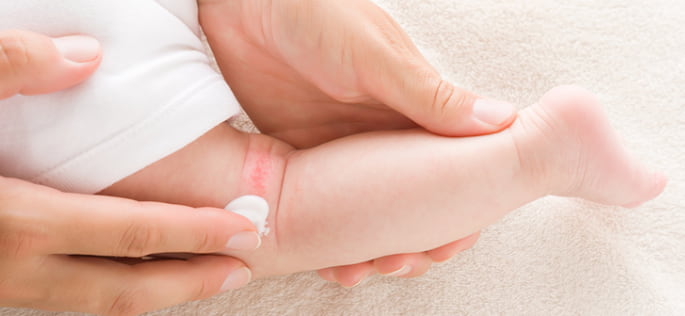
Parents’ Experiences
As parents who have navigated the “itchy night” marathons, we know that eczema is more than just a skin condition; it is a family challenge. Our experience suggests that consistency is more important than the price tag of the cream you use.
We have observed that keeping a “flare-up diary” helps identify if specific laundry detergents or seasonal changes are the culprits. Remember, you are doing a great job, and while the path to clear skin isn’t always linear, your attentive care is the most powerful medicine your baby has.
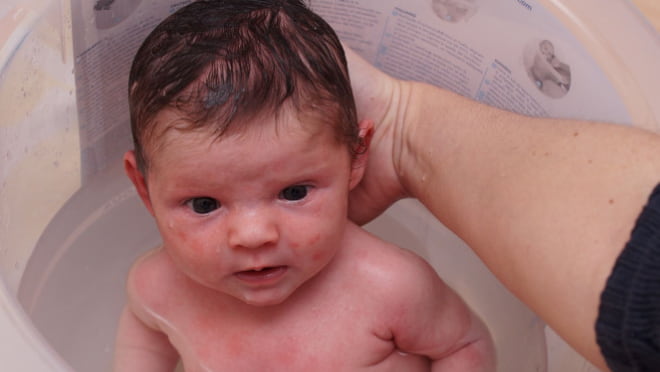
Atopic Dermatitis: Why Your Baby’s Skin Needs Extra Care
Baby eczema is fundamentally a result of a compromised skin barrier that allows moisture to escape and irritants to enter more easily than healthy skin. In medical terms, this is often linked to a deficiency in a protein called filaggrin, which helps the skin maintain its protective layer.
8When this barrier is weak, the skin becomes dry, itchy, and prone to inflammation, creating a cycle of scratching and further damage.
Understanding this “leaky” skin metaphor helps parents realize that the goal of a daily skin routine is to manually provide the protection the skin cannot currently produce on its own.
Preventative Care Strategy and Babies
Experts suggest that the immune system in babies with eczema is often hyper-reactive to environmental stimuli. This means that common substances like dust, pet dander or even certain fabrics can trigger an inflammatory response that manifests as red, scaly patches.
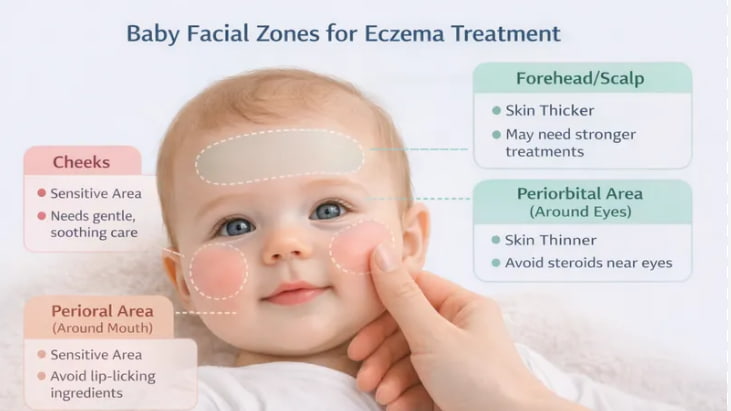
Many parents notice that flare-ups occur in specific areas, such as the cheeks, elbows and behind the knees, where the skin is either more exposed or subject to friction.
Identifying these patterns is a crucial first step in moving from reactive treatments to a proactive preventative care strategy for your infant’s dermatological health.
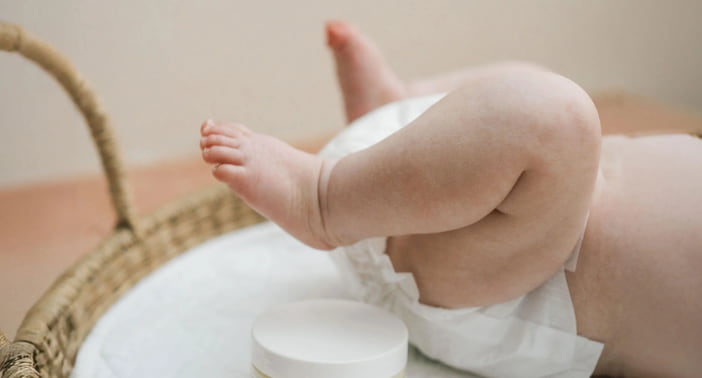
Common Triggers for Infant Eczema Flare-ups
The most frequent triggers for infant eczema flare-ups include harsh chemicals found in standard soaps, synthetic clothing materials like polyester and extreme shifts in temperature or humidity.
Even “natural” ingredients like essential oils can be highly irritating to a baby’s delicate skin barrier, leading to increased redness and itching.
Many caregivers are surprised to learn that saliva from drooling or residual food on the face can also act as a localized trigger for contact dermatitis in babies.
Establishing a controlled environment requires a keen eye for detail in the nursery and the home at large. Experts often observe that overheating during sleep is a major contributor to nighttime itching, as sweat can irritate active eczema patches.
Transitioning to 100% organic cotton bedding and clothing is frequently recommended to allow the skin to breathe and reduce friction. It is perfectly normal to feel like you are investigating a mystery; over time, you will become the leading expert on your own baby’s specific environmental sensitivities.

The Science of Bathing: Gentle Cleansing for Eczema Relief
Bathing a baby with eczema requires a delicate balance between cleaning the skin and avoiding further dehydration. The “soak and seal” method is widely considered the gold standard by dermatologists for managing dry skin conditions in infants.
This involves a short, lukewarm bath that allows the skin to absorb water, followed by immediate application of a thick moisturizer.
Unlike traditional baths that might involve bubbles and long play sessions, an eczema-friendly bath is a focused therapeutic step designed to hydrate the stratum corneum without stripping natural oils.
The temperature of the water is perhaps the most critical factor, as hot water can dilate blood vessels and intensify the itching sensation.
Non-soap Cleansers and Eczema Impact
Experts suggest that water should be around 37°C (98.6°F), feeling just barely warm to the touch of your wrist. It is also recommended to limit the bath duration to 5 or 10 minutes to prevent the skin from pruning, which indicates excessive water loss.
Many parents worry that frequent bathing will dry out the skin but when followed immediately by the correct emollient, daily bathing actually helps remove allergens and bacteria.
When it comes to cleansers, the rule is “less is more.” Use only fragrance-free, non-soap cleansers that are specifically formulated for sensitive baby skin, and only in areas that truly need it, such as the diaper area and skin folds.
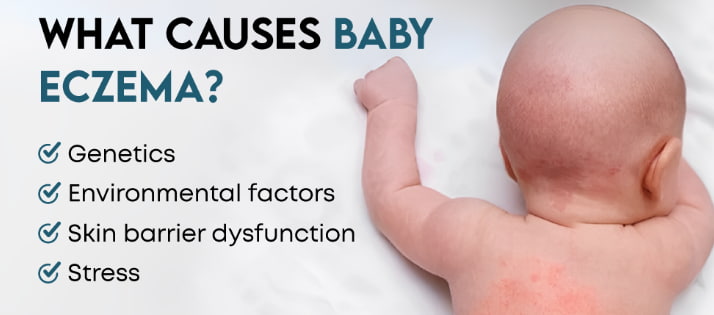
Optimizing Bath Time Duration and Temperature
Consistency in bath timing can help regulate your baby’s circadian rhythm while ensuring their skin receives the necessary hydration before bed. Using a digital bath thermometer can take the guesswork out of the process, ensuring the water never reaches a temperature that would trigger inflammation.
It is often observed that a evening bath can help calm the skin and the baby, leading to a more restful night for the entire household. Many parents find that this routine becomes a bonding moment that replaces the stress of skin management with a sense of calm.
During the bath, avoid using washcloths or sponges, as the friction can create micro-tears in the fragile skin barrier. Instead, use your hands to gently splash water and apply cleanser where necessary, ensuring you rinse thoroughly to leave no residue behind.
After the bath, the “pat dry” technique is vital—never rub the skin with a towel. Many parents feel a sense of urgency during this step, and for good reason; the window to lock in moisture is very short, and every second counts for skin barrier repair.
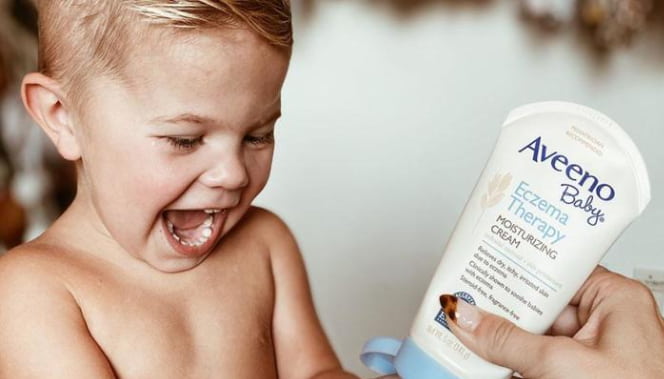
Choosing Best Creams: Ingredients That Restore the Barrier
Selecting the right eczema cream for babies is the cornerstone of long-term management and flare-up prevention. The market is flooded with products, but for a routine focused on atopic skin, you should prioritize ointments and thick creams over lotions.
Lotions typically have a higher water content and evaporate quickly, sometimes even contributing to further dryness.
Ointments, on the other hand, provide a thick, occlusive layer that effectively traps moisture within the skin and prevents environmental irritants from making contact with the sensitive epidermis.
The ingredient list is your most important tool as a parent navigating the skincare aisle. Look for ceramides, which are essential lipids that act like the “mortar” between the “bricks” of the skin cells, helping to rebuild the broken barrier.
Other beneficial ingredients include petrolatum, glycerin, and hyaluronic acid, all of which are known for their high safety profile and moisturizing efficacy. Experts suggest avoiding any product with “fragrance” or “parfum” on the label, as these are among the most common causes of contact allergies in infants with eczema.
| Product Type | Consistency | Best Use Case | Benefit |
| Ointments | Thick, Greasy | Severe flare-ups, Nighttime | Maximum moisture retention |
| Creams | Smooth, Heavy | Daily maintenance, Daytime | Easy absorption with good protection |
| Lotions | Thin, Liquid | Mild dryness, Summer use | Quick application, but less effective |
The Power of Ceramides and Natural Lipids
Ceramide-dominant moisturizers are specifically designed to mimic the natural composition of healthy skin, making them incredibly effective for babies with genetic barrier deficiencies.
These lipids help restore the skin’s ability to retain water and significantly reduce the “itch-scratch cycle” that keeps many families awake at night.
Experts suggest that consistent use of these specialized creams can even reduce the need for medicated topical steroids over time. Seeing the skin go from rough to smooth is a powerful motivator for parents to stick to this intensive application schedule.
In addition to ceramides, ingredients like shea butter and squalane can provide supplementary nourishment, provided they are in a highly purified form.
Environmental Control: Protecting Skin Outside the Bath
While a skincare routine is essential, the environment your baby lives in 24/7 plays a massive role in their skin comfort. Temperature and humidity are two of the most significant external factors that influence the state of infant eczema.
Dry air, especially during the heating season in winter, can suck moisture directly out of the skin, leading to cracks and itching. Conversely, excessive heat can cause sweating, which acts as a chemical irritant to already sensitive skin patches. Finding the “sweet spot” in your home environment can lead to a drastic reduction in flare-ups.
Using a cool-mist humidifier in the nursery is a common recommendation to keep the air moisture levels between 40% and 50%. This helps prevent the skin from drying out overnight, which is often when the most damage from scratching occurs.
It is also vital to keep the nursery temperature relatively cool, around 18-20°C (64-68°F), and to use breathable bedding. Many gentle parents find that adjusting the thermostat even by a few degrees can significantly improve their baby’s comfort and reduce the morning redness often seen after a long sleep.
Clothing choices are another pillar of environmental control for eczema-prone babies. Stick to soft, breathable fabrics like 100% cotton, bamboo, or silk, and avoid wool or synthetic blends that can feel “prickly” and trigger an itch response.
FAQ: Common Questions About Eczema Care for Babies
How often should I bathe my baby if they have eczema?
Most experts suggest that a daily lukewarm bath of 5-10 minutes is beneficial, provided it is followed immediately by a thick moisturizer to lock in the water.
What is the difference between a cream and an ointment for eczema?
Ointments are generally 80% oil and 20% water, making them very thick and excellent at trapping moisture, which is ideal for severe or very dry patches.
Can certain foods cause my baby’s eczema to flare up?
While food allergies can coexist with eczema, they are not usually the direct cause of the skin condition itself. However, in some babies, specific food triggers can cause an inflammatory response that worsens skin symptoms.
When should I see a doctor about my baby’s skin?
You should seek medical advice if the skin looks infected (oozing, yellow crusting, or very hot to the touch), if the eczema is not responding to over-the-counter treatments, or if the itching is preventing your baby from sleeping or eating.
Is baby eczema a permanent condition?
The good news is that many children outgrow eczema by the time they reach school age or adolescence.