Editor’s Note: The core difference between the early signs of autism and typical toddler quirks lies in the frequency, intensity and impact of the behaviors on the child’s daily social communication and developmental milestones.
Navigating your child’s vibrant early years can often feel like deciphering a beautiful but complex map. When you spot unusual behaviors, the question of whether you are seeing the early signs of autism or simply typical toddler quirks naturally arises.
Every child blooms on their own timeline, but understanding the subtle distinctions in their developmental milestones empowers you. It is observed that early identification significantly supports a child’s thriving, yet minor idiosyncrasies are frequently just a normal part of growing up.

Parent Real Life Experience
In my years observing child development, I have seen countless parents agonizing over every hand flap or missed eye contact. Many parents worry about this, and it is completely normal to feel overwhelmed by the vast amount of online information.
The parenting journey is beautiful chaos, making it easy to confuse a spirited, independent toddler with a neurodivergent profile. Trust your instincts, rely on consistent daily observations, and remember that seeking clarity is an act of deep parental love, not a search for flaws.
Social Communication Milestones
The foundation of human connection begins long before the first words are spoken, rooting itself in shared glances and reciprocal smiles. When exploring the early signs of autism, professionals often observe how a child initiates and responds to social engagement.
A typical toddler might occasionally ignore you when deeply engrossed in a new toy, but they generally seek your reaction. Conversely, a child showing atypical development might consistently prefer solitary play, finding immense comfort in their internal, predictable world.
Many parents worry about this, feeling profoundly isolated when their child seems detached, but this concern is a normal part of developmental discovery. According to pediatricians, the consistency of this social disinterest clearly differentiates it from standard toddler quirks.

Nonverbal Communication Importance
A neurotypical child usually develops robust nonverbal communication skills, utilizing body language effectively before speech emerges. However, a child on the spectrum might experience persistent challenges in seamlessly integrating these critical social cues into their daily interactions and routines.
Understanding this dynamic requires asking why a child behaves a certain way rather than just observing the action itself. Clinical studies indicate that autistic children often process social stimuli differently, which can easily overwhelm their sensitive neurological systems.
Therefore, what looks like aloofness is frequently a protective mechanism against an overly stimulating, chaotic environment. Recognizing this underlying sensory processing difference allows caregivers to foster genuine connection through specialized, gentle engagement strategies tailored precisely to the child’s comfort level.
Eye Contact and Joint Attention: Reading the Silent Cues
Eye contact serves as one of the most fundamental pillars of joint attention, allowing two people to share an experience effortlessly. A common toddler quirk is avoiding eye contact when feeling shy or when being gently reprimanded.
However, one of the notable early signs of autism is a pervasive lack of eye contact across various comfortable, familiar scenarios. Experts note that autistic toddlers might find prolonged eye contact physically uncomfortable or simply unnecessary for their unique, individualized communication style.
Name Response and Gestures: The Importance of Nonverbal Communication
Responding to one’s name is a critical milestone that typically solidifies around the first year of a child’s vibrant life. It is entirely normal for a typical toddler to occasionally exercise selective hearing, especially during highly engaging playtime. Yet, consistently ignoring their name when called, even in quiet, distraction-free environments, warrants a closer developmental review.
Pediatricians consistently suggest that a delayed or absent name response is often one of the first reliable indicators of a potential neurodivergent developmental path.
Repetitive Behaviors and Toddler Routines
Toddlers are notorious for their rigid adherence to routines and their deep, passionate love for repetition, making this area confusing for caregivers. Re-reading the exact same book or insisting on a specific blue cup are classic toddler quirks driven by a developmental need for predictability.
However, when examining the early signs of autism, the repetition often manifests in a significantly more intense and less functional manner. The focus completely shifts from the utility of an object to its specific, isolated sensory components.
Many parents worry about these intense repetitive actions and it is a completely normal reaction when trying to decipher your child’s complex needs. The crucial difference lies in how the child reacts when this repetition or expected routine is unexpectedly interrupted.
Autism Spectrum Disorder and Stimming
A typical toddler will certainly be upset but can usually be redirected or gently soothed. In contrast, a child exhibiting autism spectrum disorder traits might experience profound, prolonged distress that is incredibly difficult to de-escalate, as the routine is vitally grounding for them.
This deep, unyielding need for sameness is often closely tied to how the child’s brain organizes a chaotic, unpredictable world into manageable, safe segments. According to child psychologists, these repetitive behaviors, commonly referred to as stimming, are not merely behavioral quirks but essential, self-soothing neurological mechanisms.
Understanding that these repetitive actions serve a profound internal purpose entirely shifts the caregiving approach. Instead of trying to quickly eliminate the behavior, parents can focus on supporting the child’s broader emotional regulation needs effectively.

Hand Flapping and Spinning: Self-Regulation or Sensory Seeking?
Physical movements like hand flapping, spinning in rapid circles, or rocking are frequently observed in young children when they are overwhelmed with immense excitement. These transient actions are perfectly typical toddler quirks that usually fade away naturally as the child develops more sophisticated coping skills.
However, if these movements are frequent, prolonged, and occur in response to a wide variety of emotions, they may indicate the early signs of autism. For autistic children, these motor stereotypies are crucial, daily tools for managing sensory input.
Distinguishing between a fleeting burst of happy energy and a necessary, ongoing self-regulatory behavior requires careful observation in multiple daily settings. If a child flaps their hands only when seeing a favorite sweet treat, it is likely typical, joyous excitement. If the flapping occurs consistently to block out loud noises or during deep, focused concentration, it points towards distinct sensory processing differences.
Recognizing these specific behavioral patterns helps specialists determine the most supportive, individualized developmental interventions required for the child.
Distinguishing Early Signs of Autism from Typical Toddler Quirks
| Feature | Typical Toddler Quirk | Potential Sign of Autism |
| Eye Contact | Avoids when shy or upset; otherwise consistent. | Consistently avoids or appears to look “through” people. |
| Routine Changes | Gets briefly upset but can be redirected to a new activity. | Experiences intense, prolonged distress and meltdowns. |
| Play Style | Engages in imaginative, pretend play with various toys. | Lines up toys systematically or focuses strictly on spinning parts. |
| Name Response | May ignore if highly focused, but responds most of the time. | Frequently does not respond, acting as if they didn’t hear you. |
Emotional Regulation: Sensory Processing
The turbulent toddler years are synonymous with big, unpredictable emotions as the child’s cognitive abilities rapidly outpace their expressive communication skills. Tantrums are a universally accepted part of early childhood, serving as a raw, loud expression of frustration or unmet desires.
Yet, distinguishing between a typical behavioral tantrum and a neurological sensory meltdown is critical when identifying the early signs of autism. A standard tantrum usually has a clear goal and often subsides entirely once the specific demand is successfully met.
Many parents worry about their child’s intense, overwhelming emotional reactions, and feeling entirely helpless during these massive episodes is perfectly normal. A sensory meltdown, common in neurodivergent children, is not goal-oriented but is a severe physiological response to an overloaded central nervous system.

Experts strongly emphasize that during a meltdown, the child has completely lost control. This fundamental neurological difference requires caregivers to pivot from standard disciplinary tactics to deeply compassionate, calming, and highly supportive sensory integration strategies.
Sensory Triggers in Children
Sensory processing variations significantly impact how a child safely interacts with their environment, affecting everything from daily mealtimes to specific clothing preferences. A typical toddler might be a stubborn, picky eater for a few weeks as a display of newfound independence.
However, an autistic child might experience intense physical discomfort from certain food textures or strong smells, leading to highly restrictive eating. Addressing these sensory sensitivities with professional occupational therapists can dramatically improve the child’s overall daily quality of life.
Common Sensory Triggers in Neurodivergent Children:
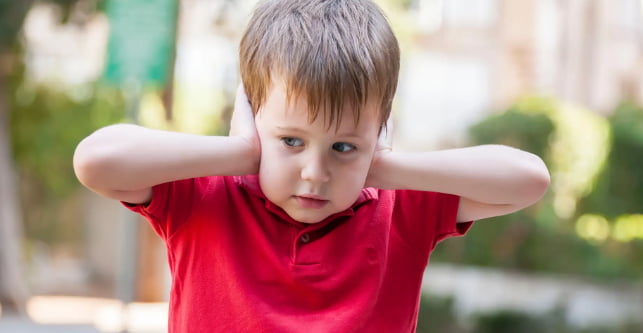
- Auditory: Extreme distress from unexpected noises like vacuums or blenders.
- Tactile: Refusal to wear clothing with tags, seams, or certain fabrics.
- Visual: Being overwhelmed by bright, fluorescent lights or cluttered spaces.
- Olfactory: Gagging or panicking at everyday smells that others barely notice.
Meltdowns vs. Tantrums: Understanding the Underlying Triggers
The clear, vital distinction between a behavioral tantrum and a neurological meltdown is a cornerstone of understanding an autistic child’s unique daily experience. A tantrum is almost always driven by an identifiable trigger, like being told “no,” and the child remains somewhat aware of their immediate surroundings.
In contrast, a meltdown observed in children showing early signs of autism is a completely involuntary reaction. It is often caused by excessive noise, unexpected routine changes, or overwhelmingly complex social demands pushing them into distress.
Taking Action for Your Child’s Future
Recognizing the subtle, critical differences between typical quirks and the early signs of autism is a courageous and incredibly vital first step. If your daily observations consistently point towards developmental delays or persistent social communication challenges, trusting your fierce parental intuition is paramount.
Proactively reaching out to a pediatrician or a qualified developmental specialist ensures your child receives thorough, comprehensive evaluations. Early identification is widely observed to unlock access to targeted therapies that profoundly enhance crucial developmental milestones.
FAQ About the Early Signs of Autism
At what age do the early signs of autism usually become noticeable?
While some signs can be observed as early as 6 to 12 months (like lack of smiling or eye contact), the most prominent early signs of autism typically become noticeable between 18 and 24 months as social and language demands increase.
Can a child have good eye contact and still be autistic?
Yes. Autism spectrum disorder presents uniquely in every individual. While reduced eye contact is a common marker, some autistic children maintain typical eye contact, especially with familiar caregivers, while displaying other traits like repetitive behaviors or sensory sensitivities.
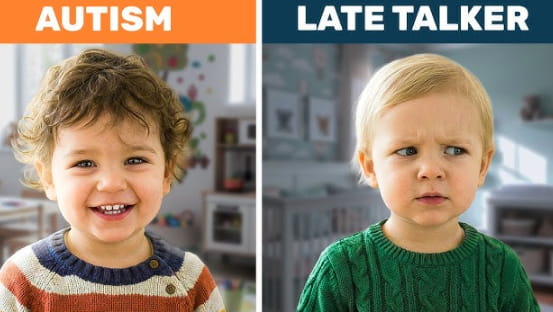
How can I quickly distinguish between a late talker and an autistic child?
A late talker generally uses rich nonverbal communication, such as pointing, waving, and strong eye contact, to convey their needs. A child displaying early signs of autism often experiences delays in both spoken language and these reciprocal nonverbal communication gestures.
Should I simply wait to see if my toddler outgrows these unusual behaviors?
Experts highly recommend against the “wait and see” approach. Early intervention provides the best possible support for a child’s developing brain. If you have concerns, scheduling an evaluation with a pediatrician is the safest, most proactive choice.