Parent’s Note: A childhood fever is not a disease itself, but a healthy sign that the immune system is fighting infection, meaning parents should focus on the child’s overall behavior rather than the thermometer reading alone.
Managing a fever safely involves monitoring hydration, observing behavioral changes, and consulting a pediatrician only when specific age-based thresholds or red flag symptoms are observed.
When a child’s forehead feels warm to the touch, a wave of instant panic often washes over the household, turning a quiet evening into a state of high alert. Across generations, numerous cultural beliefs and fever myths have shaped how parents perceive an elevated body temperature, frequently portraying it as a dangerous disease rather than a natural defense mechanism.
Understanding the true biological role of a fever helps transform parental anxiety into calm, confident, and evidence-based decision-making.

Parents’ Comments:
Many parents worry in this situation, this is normal; watching your little one shiver or flush with heat triggers every protective instinct you possess. In my own parenting journey, that midnight thermometer check used to send my heart racing, until I realized that a smiling, responsive child is infinitely more reassuring than a digital number on a screen.
Experience teaches us that parental intuition combined with factual pediatric guidance creates the safest anchor during those stressful nighttime fevers.
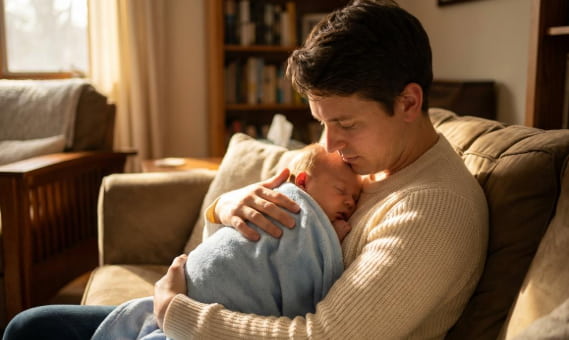
Fever Myths and The Physiology
One of the most persistent fever myths is the belief that high temperatures can literally “fry” a child’s brain or cause permanent internal damage if left untreated. According to pediatric experts, a typical fever caused by common viral infections rarely exceeds 104°F (40°C) and does not cause brain damage, as the body possesses natural internal thermostats that regulate core temperature safely.
Many parents worry in this situation, this is normal; seeing a digital thermometer display a high number feels like an immediate emergency demanding aggressive intervention. However, the height of the temperature does not necessarily correlate with the severity of the underlying illness, meaning a mild viral infection can sometimes trigger a surprisingly high reading.
Understanding the underlying thermoregulation process reveals that fever is actually an evolutionary defense mechanism designed to create an inhospitable environment for pathogens. Elevated body temperatures enhance white blood cell production and inhibit bacterial replication, proving that the fever itself is a powerful healing ally rather than an enemy to be instantly eradicated.
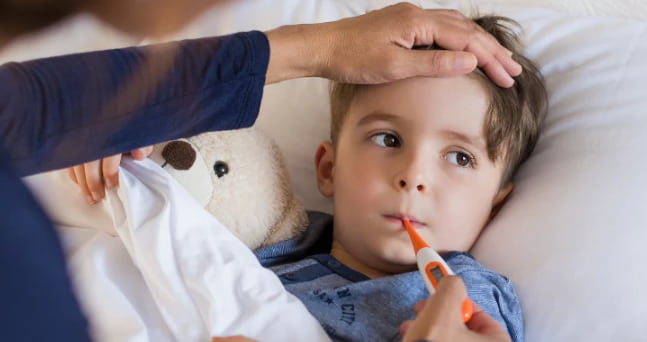
Common Misconceptions About Febrile Seizures
Another widespread misconception links every high temperature directly to brain damage or long-term neurological impairment through febrile seizures. While frightening to witness, simple febrile seizures occur in a small percentage of children, typically last less than a few minutes, and leave no lasting neurological damage or developmental delays.
Many parents worry in this situation, this is normal; witnessing a child lose consciousness or twitch during a fever is one of the most terrifying experiences a family can face. Medical professionals emphasize that these seizures are primarily triggered by the rate of temperature rise rather than the absolute peak number on the thermometer.
The Truth About Teething and Low-Grade Fevers
A very popular cultural belief maintains that teething is a primary cause of high fevers in infants and toddlers. Clinical studies and pediatric data indicate that while teething can cause mild gum irritation and a slight rise in baseline temperature, it does not cause a true clinical fever exceeding 100.4°F (38°C).
Many parents worry in this situation, this is normal; when a fussy, teething baby feels warm, it is easy to attribute every symptom to erupting molars. Relying on this myth can occasionally lead caregivers to overlook actual viral or bacterial infections that require proper medical evaluation.
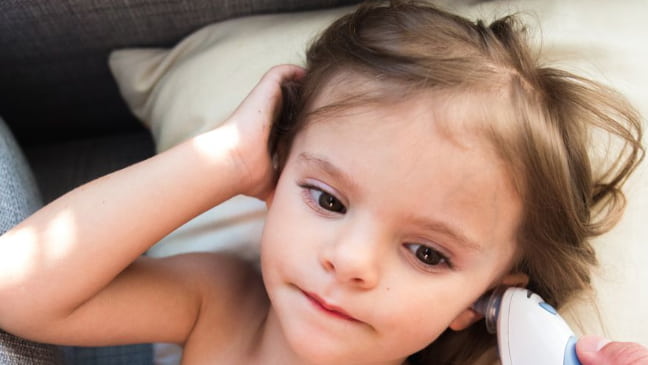
Understanding Pediatric Guidelines
Navigating safe fever management requires a clear understanding of standardized pediatric temperature thresholds and appropriate dosing guidelines. According to the American Academy of Pediatrics, a fever is officially defined as a rectal temperature of 100.4°F (38°C) or higher across all standard clinical definitions.
Many parents worry in this situation, this is normal; calculating precise medication dosages based on weight rather than age can feel overwhelming when a child is crying and uncomfortable. Miscalculating medication is a common error, which is why consulting a pharmacist or pediatrician for exact dosing charts is strongly recommended.
Alternating or combining fever-reducing medications like acetaminophen and ibuprofen without professional guidance is another common practice that carries potential risks of liver or kidney strain. Expert guidelines advise sticking to a single medication type and maintaining open communication with healthcare providers before introducing complex pharmaceutical regimens.
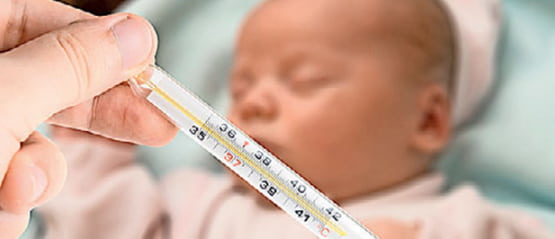
Pediatric Temperature Thresholds and Age Groups
Age is the single most critical factor when evaluating the urgency of an elevated temperature in young infants and children. For any infant under three months of age, a rectal temperature of 100.4°F (38°C) or higher demands an immediate evaluation at an emergency department, regardless of other accompanying symptoms.
Many parents worry in this situation, this is normal; realizing that a tiny newborn’s immune system cannot fight infections efficiently triggers immense parental anxiety. For older infants between three and six months, a temperature reaching 102°F (38.9°C) warrants a prompt call to the pediatrician for professional guidance.
Safe Home Care and Medication Protocols
Effective home management focuses primarily on maintaining optimal hydration status and ensuring the child remains comfortable rather than aggressively forcing the temperature down to normal levels. Encouraging frequent sips of water, breast milk, or electrolyte solutions prevents dehydration, which is a far greater risk during minor illnesses.
Many parents worry in this situation, this is normal; dressing a feverish child in heavy layers out of fear they might catch a chill is a natural instinct, but it actually traps body heat. Dressing children in lightweight clothing and keeping room temperatures moderate allows the body to dissipate excess heat naturally and safely.
Fever Myths: Red Flag Symptoms
Knowing exactly when to contact a healthcare professional depends far more on behavioral observation than on the numerical reading displayed on a digital thermometer. If a child remains reasonably playful, drinks fluids well, and responds to comforting, home observation is generally safe and recommended by pediatricians.
Many parents worry in this situation, this is normal; staring at a sleeping child all night while waiting for the fever to break creates profound physical and emotional exhaustion. Establishing clear observation checklists helps parents distinguish between normal viral discomfort and true medical emergencies.
Fever Symptom Checklist Table
Structured comparison tables and symptom checklists serve as vital tools for families trying to decide whether to wait out a fever at home or seek urgent medical attention.
Utilizing these clinical frameworks reduces guesswork and ensures that critical warning signs are never overlooked during stressful nighttime hours.
| Evaluation Parameter | Safe Home Management | When to Call the Doctor / ER |
| Age Factor | Children older than 6 months with stable behavior | Any infant under 3 months with a rectal temperature over 100.4°F |
| Behavior & Alertness | Active, interactive, and responds to smiles or play | Extreme lethargy, limpness, unresponsiveness, or inconsolable crying |
| Hydration Status | Wet diapers every few hours, drinking fluids regularly | Dry mouth, no tears when crying, or zero wet diapers for 8+ hours |
| Breathing Patterns | Calm, regular breathing rate during rest | Rapid breathing, chest retractions, or bluish lips |
| Skin & Rashes | Normal skin tone, no unusual marks | Non-blanching purple or red rashes that do not fade under pressure |
When to Seek Immediate Emergency Care
Certain critical signs, known clinically as red flag symptoms, require immediate trips to the nearest pediatric emergency department without any delay. Symptoms such as persistent vomiting, a stiff neck, severe headache, confusion, or a sudden purple rash that does not fade under glass demand urgent medical evaluation.
Many parents worry in this situation, this is normal; recognizing these severe warning signs can feel terrifying, but acting quickly ensures the best possible medical outcome for the child. Trusting your parental instincts when something feels fundamentally wrong is always a valid reason to seek professional help immediately.
Communicating Effectively with Pediatricians
When calling a pediatrician’s office or nurse helpline, providing precise, structured data helps healthcare providers assess the situation quickly and accurately. Note down the exact temperature reading, the measurement method used (rectal, ear, or forehead), the duration of the fever, and any administered medications.
Many parents worry in this situation, this is normal; forgetting crucial details during a panicked phone call happens to the best of caregivers. Keeping a simple symptom log on your phone or notepad transforms chaotic stress into clear, actionable communication with your medical team.
Empowering Parents Through Temperature Literacy
Navigating childhood illnesses with confidence requires letting go of outdated cultural anxieties and embracing evidence-based pediatric knowledge. By focusing on your child’s overall behavior, maintaining proper hydration, and recognizing genuine warning signs, you transform fever management from a stressful nightly ordeal into a manageable part of growing up.
Every temperature spike is simply your child’s natural defense system doing its vital work to build lifelong immunity. Arming yourself with accurate information and maintaining a calm, reassuring presence ensures that your family stays grounded and safe through every seasonal bug.
Frequently Asked Questions (FAQ)
What temperature officially counts as a fever in children?
According to pediatric standards, a rectal temperature of 100.4°F (38°C) or higher is officially classified as a fever across all age groups.
Should I wake my sleeping child to give them fever-reducing medication?
In most cases, pediatricians advise letting a sleeping child rest, as sleep is crucial for healing, provided they are not showing signs of severe distress or dehydration.
Can teething cause a high fever in babies?
Teething may cause mild gum irritation and a slight temperature bump, but it does not cause a true clinical fever exceeding 100.4°F.
When should I take my baby to the emergency room for a fever?
Any infant under three months old with a rectal temperature of 100.4°F or higher requires an immediate emergency room visit.
Is it safe to alternate ibuprofen and acetaminophen?
Alternating medications can easily lead to dosing errors and should only be done under the direct instruction of your pediatrician.