Editor’s Note: The safest and most effective way to introduce highly allergenic foods is to start between 4 and 6 months of age, offering small, age-appropriate textures like thinned peanut butter or well-cooked eggs one at a time and observing the baby for a few days before introducing another new allergen.
Stepping into the world of solid foods is a thrilling milestone, yet introducing highly allergenic foods often brings a wave of hesitation for many families. When your baby transitions from milk to a diverse diet, ensuring their safety while expanding their palate becomes a top priority.
In recent years, pediatric guidelines have significantly shifted, encouraging an earlier and more proactive approach to potential food allergens. According to experts, this proactive exposure is widely considered to be a supportive step in developing a robust and resilient digestive system during infancy.

Real Life Parents Comments
Many parents feel a knot in their stomach when offering that very first taste of peanut butter or scrambled egg. I distinctly remember hovering over the highchair, analyzing every tiny facial expression, worried about a sudden reaction.
It is completely normal to feel this protective anxiety. However, shifting our mindset from “fear of the unknown” to “building lifelong immunity” changes everything. Viewing this process through a calm,
Blue Ocean strategy perspective allows us to step away from the anxiety-ridden noise. Instead of panicking, we can view these early tastings as giving our baby’s immune system a friendly, manageable puzzle to solve, gently teaching their body to welcome diverse nourishment with open arms.
Immune System Maturation: The Science
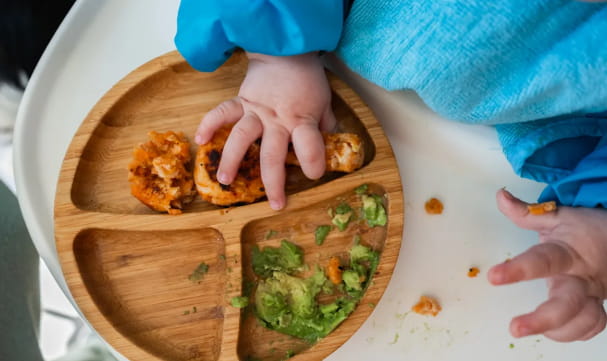
Early introduction of highly allergenic foods is actively recommended by pediatricians to help train the infant immune system to recognize these proteins as safe nutrition rather than harmful invaders.
According to major pediatric organizations, delaying the introduction of common allergens like peanuts and eggs is no longer observed to prevent food allergies; in fact, early exposure is often correlated with a decreased risk of developing severe sensitivities later in life.
This paradigm shift relies on the concept of oral tolerance, a vital biological process where the gut’s immune system maturation learns to safely process complex food proteins.
It is completely natural to feel a sense of dread when hearing about food allergies and many parents worry deeply about making a mistake during this critical window. You are absolutely not alone in feeling this heavy responsibility.

Immune Tolerance and Proteins
Your loving and attentive presence provides the ultimate safety net during these first culinary adventures.
To understand how this works, we must look at the gut microbiome and the concept of immune tolerance. When a baby consumes allergenic proteins in small, consistent amounts, specialized cells in the digestive tract process these molecules and signal the rest of the body to remain calm.
This localized exposure helps build a robust gut barrier, preventing the immune system from overreacting.
Recent clinical studies demonstrate that infants introduced to peanut products between 4 and 11 months showed a significantly lower incidence of peanut allergies by age five. This data beautifully illustrates how proactive, science-backed nourishment fosters lasting resilience.
Peanut Protein Introduction: Timing and Safe Textures
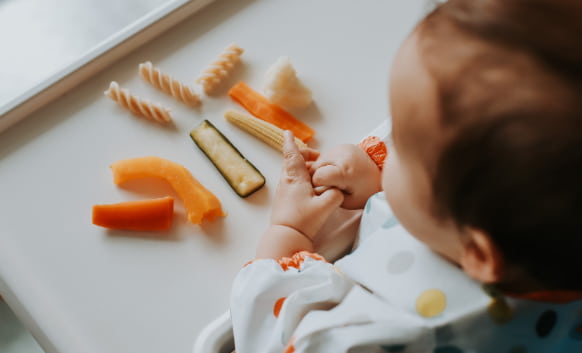
Introducing peanut protein should always be done using thinned, smooth textures such as watered-down peanut butter or peanut powder mixed into a familiar puree, never whole nuts. Because whole peanuts and thick dollops of peanut butter pose a severe choking hazard, modifying the texture is the most critical safety measure.
You can easily blend a small amount of smooth, unsweetened peanut butter with breast milk, formula, or a previously tolerated fruit puree like mashed banana. This gentle blending ensures the food is swallowed effortlessly while safely exposing the digestive system to the necessary allergens.
Consistency is key when it comes to maintaining the oral tolerance built during those initial exposures. Once your baby has successfully consumed the peanut puree without any adverse reactions, experts suggest incorporating it into their regular diet a few times a week.
This continuous, low-dose exposure acts as a gentle, ongoing reminder to the immune system that peanuts are a safe and nutritious energy source.

By seamlessly integrating these modified textures into your weekly meal planning, you effortlessly transform a potentially stressful milestone into a routine, enjoyable part of your baby’s dietary expansion journey.
Egg Introduction Strategies: Cooking Methods for Tolerance
The safest strategy for egg introduction is to start with thoroughly cooked, baked eggs, as the extensive heating process alters the proteins, making them significantly easier for an infant to tolerate. Raw or undercooked eggs carry both bacterial risks and a higher likelihood of triggering an allergic response due to intact protein structures.
Therefore, incorporating eggs into baked goods like sugar-free baby muffins or offering hard-boiled eggs mashed with a little water or breast milk are excellent starting points. This method gently introduces the allergen while minimizing the potential for immune system confusion.
As your baby comfortably digests baked egg products, you can gradually progress to differently cooked variations, such as well-cooked scrambled eggs or soft omelet strips, depending on their chewing abilities.
It is widely observed that many infants who initially show mild sensitivities to lightly cooked eggs can safely consume and digest baked eggs without any issues.

Monitoring their response carefully during this gradual transition helps you gauge their specific tolerance levels. This step-by-step culinary approach empowers parents to confidently navigate the introduction phase, ensuring the baby receives the rich protein and choline benefits that eggs provide.
Baby-Led Weaning Integration: Offering!
Integrating highly allergenic foods into a Baby-Led Weaning (BLW) approach requires preparing foods in safe, graspable shapes that prevent choking while ensuring adequate allergen exposure. BLW encourages infants to self-feed, which brilliantly supports their fine motor skills and promotes intuitive eating from a very young age.
However, when dealing with allergens, parents must be strategic; simply handing a baby a complex, allergen-rich food is not advisable.
Instead, allergens should be carefully baked into safe finger foods or spread thinly on easily manageable items, allowing the baby to explore the taste and texture safely at their own pace.
Handing over control to your baby during mealtime can feel incredibly daunting, and many parents worry about choking or hidden allergic reactions when practicing BLW. It is completely normal to feel a surge of protective instinct as you watch them grasp a new piece of food.

Allergen Category and Safe Table
Trusting their innate ability to explore, while you remain a vigilant and calm observer, is the essence of this journey. By thoroughly preparing the food to meet strict safety guidelines, you create a secure environment where your baby can joyfully discover new flavors, transforming your anxiety into shared moments of culinary triumph.
To help you structure these meals, having a clear roadmap of safe preparation techniques is highly beneficial. Adapting the texture to match your infant’s developmental stage ensures the focus remains on nutritional exploration.
The structured table below outlines how to safely modify these foods for baby-led feeding without compromising safety.
| Allergen Category | Safe BLW Preparation Method | Unsafe Preparation (Avoid) |
| Peanuts | Thinly spread smooth peanut butter on toasted bread strips. | Whole peanuts or thick, sticky blobs of peanut butter. |
| Eggs | Strips of fully cooked omelet or baked vegetable muffins. | Runny yolks, soft-boiled eggs, or undercooked eggs. |
| Dairy | Pasteurized whole-milk yogurt on a pre-loaded spoon. | Unpasteurized milk products or liquid milk as a main drink. |
Symptom Recognition: Allergenic Foods
Vigilant observation during the first two hours after ingestion is the most effective way to monitor and identify any adverse allergic reactions to highly allergenic foods. When a new allergen is introduced, it is highly recommended to do so early in the day, preferably at home, so you have ample time to watch for physical changes.
This strategic timing ensures that if a medical consultation becomes necessary, healthcare providers are easily accessible. Keeping a simple food diary can also be an invaluable tool, allowing you to track exactly what was eaten, the quantity, and any subtle behavioral shifts.
It is incredibly common for parents to analyze every little red mark around their baby’s mouth, fearing the worst-case scenario of anaphylaxis. Please know that this hyper-vigilance is a testament to your deep love and care, and it is entirely normal to feel on edge.

Reactions and Allergenic Foods
Most reactions, if they occur, are mild and manageable. By knowing exactly what to look for and having an emergency plan in place with your pediatrician, you transform that overwhelming fear into empowered preparedness. This knowledge allows you to breathe easier and truly enjoy the process of expanding your baby’s culinary world.
Recognizing the difference between a normal messy face and a genuine allergic response is crucial for your peace of mind.
While a slight redness from acidic foods like tomatoes is harmless, immune-mediated responses present differently and require immediate attention. According to pediatric allergists, you should carefully watch for specific physical indicators.
- Skin Changes: Widespread hives, significant swelling around the lips, eyes, or face, and sudden, severe itching.
- Digestive Distress: Profuse, repetitive vomiting shortly after eating, or sudden, severe diarrhea.
- Respiratory Issues: Wheezing, persistent coughing, difficulty breathing, or a sudden change in their cry or voice.
- Behavioral Shifts: Sudden lethargy, extreme unresponsiveness, or an unusual, generalized pale appearance.
Nurturing Confidence: Your Joyful Journey
Embracing the introduction of highly allergenic foods is a profound step toward building your child’s long-term health, food tolerance, and joyful eating habits. By moving away from outdated fears and embracing a scientifically supported, proactive approach, you are laying a strong foundation for their nutritional future.
Every spoonful of safely prepared egg or peanut puree is a building block for a resilient immune system. Remember that this journey is not a race; it is a gradual, loving exploration of the diverse flavors and essential nutrients our world has to offer your growing baby.
Now is the perfect time to take that empowered first step into your kitchen and prepare a simple, safe allergen introduction for your little one. Start with just one food, prepare it with care, and trust in your ability to guide them through this delicious milestone.
FAQ: Highly Allergenic Foods
When is the absolute best time to introduce peanuts to my baby?
According to current pediatric guidelines, the optimal window for introducing peanut proteins is generally between 4 and 6 months of age, especially for infants with severe eczema or an existing egg allergy, following a pediatrician’s consultation.
Can I introduce multiple highly allergenic foods on the same day?
It is strongly advised to introduce only one new highly allergenic food at a time, waiting 3 to 5 days before introducing another. This isolation helps you pinpoint exactly which food caused a reaction if one occurs.
What should I do if my baby gets a rash after eating eggs?
If you notice a mild rash or hives, stop feeding the egg immediately and contact your pediatrician for guidance. If the rash is accompanied by breathing difficulties, wheezing, or facial swelling, seek emergency medical assistance right away.
Are tree nuts introduced the same way as peanuts?
Yes, tree nuts (like almonds, walnuts, and cashews) should also be introduced early and safely. They must be offered as smooth, thinned-out nut butters or finely ground powders mixed into purees to prevent any choking risks.

Pingback: Introducing Eggs to Babies: Spot Allergy Signs Safely