Editor’s Choice: Autumn Leaf Crafts and structured nature walks for preschoolers provide essential sensory stimulation and fine motor development by turning colorful fallen leaves into interactive, seasonal learning tools.
Utilizing these easily accessible natural materials fosters significant cognitive growth, enhances early environmental awareness, and creates deeply meaningful bonding experiences.
By intentionally guiding your child through these seasonal transitions, you are actively supporting their developmental milestones while keeping them thoroughly engaged in the vibrant wonders of the changing seasons.
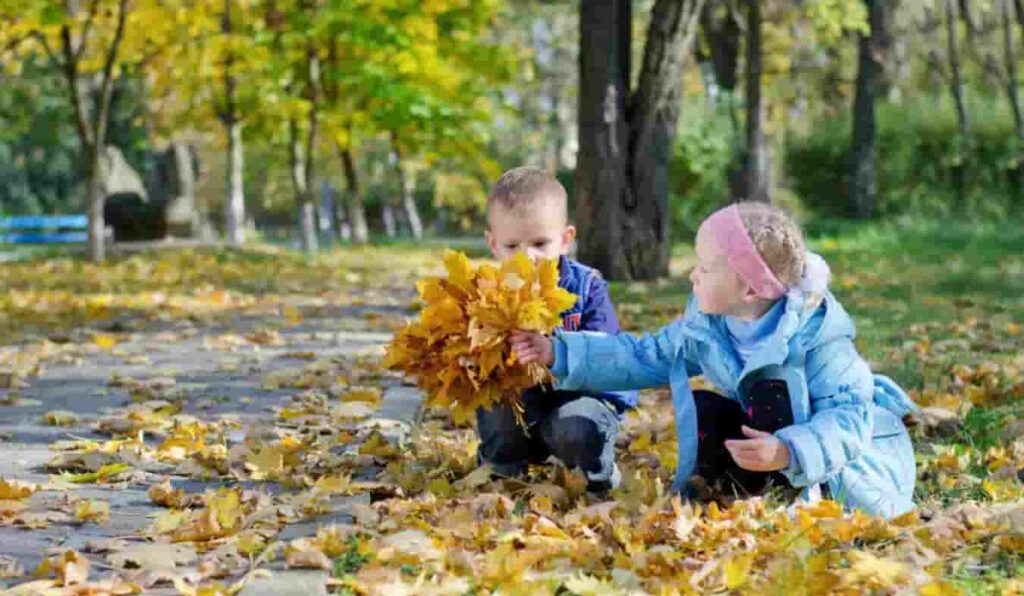
Experience and Commentary From Parents: Autumn Leaf Crafts
Many parents feel overwhelmed by the potential mess of indoor crafting or worry about their little ones picking up unsafe items outdoors, and this is completely normal. It is incredibly common to feel anxious when your preschooler insists on touching every single leaf on the ground or bringing dirt into the living room.
However, embracing this slight chaos often leads to the most profound moments of discovery and joy. From my own journey, I have realized that setting simple boundaries—like designating a specific “crafting zone” or wearing special “nature gloves”—transforms parental anxiety into enthusiastic participation.
Allowing them to explore safely builds their confidence and nurtures a genuinely beautiful, shared curiosity about the natural world.
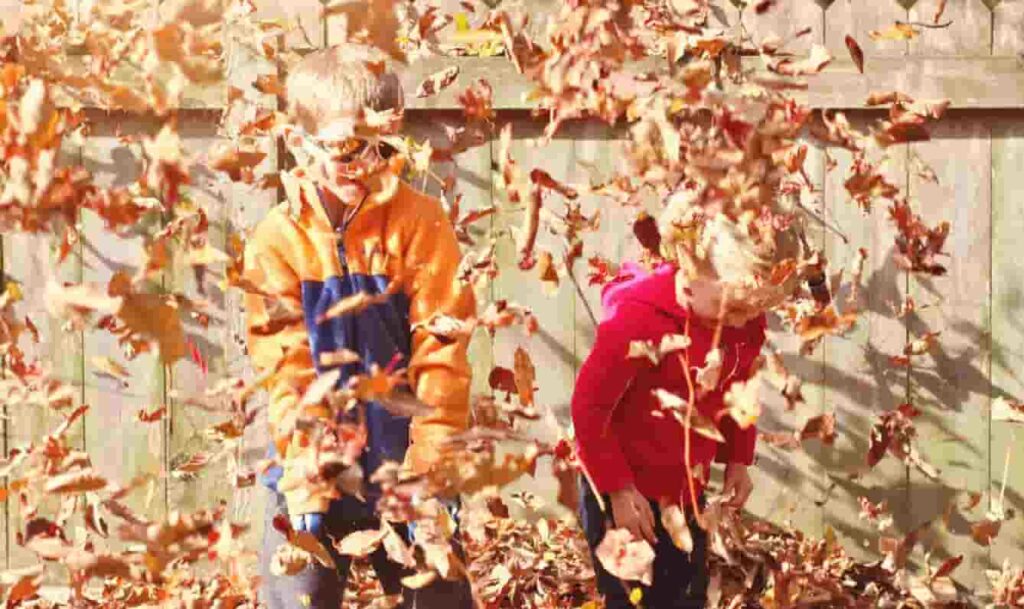
Cognitive Growth: Autumn Leaf Crafts
When preschoolers engage in Autumn Leaf Crafts, they are doing much more than simply gluing dry foliage onto a piece of construction paper. This hands-on activity acts as a powerful catalyst for cognitive development and critical thinking. Experts suggest that manipulating varying textures, shapes, and colors helps strengthen neural pathways associated with spatial awareness and problem-solving.
As toddlers sort their collected treasures by size or hue, they are implicitly learning foundational math concepts such as categorization and pattern recognition. This vibrant, tactile approach to early education ensures that abstract concepts become tangible, digestible, and incredibly fun for developing minds.
Furthermore, incorporating sensory play into these crafting sessions greatly enhances a child’s ability to process and respond to environmental stimuli. The distinct crunch of a dry leaf, the smooth surface of an acorn, and the earthy scent of the outdoors provide a rich, multi-sensory experience.
Child development specialists consistently observe that children who regularly participate in sensory-rich activities demonstrate improved emotional regulation and sustained attention spans.
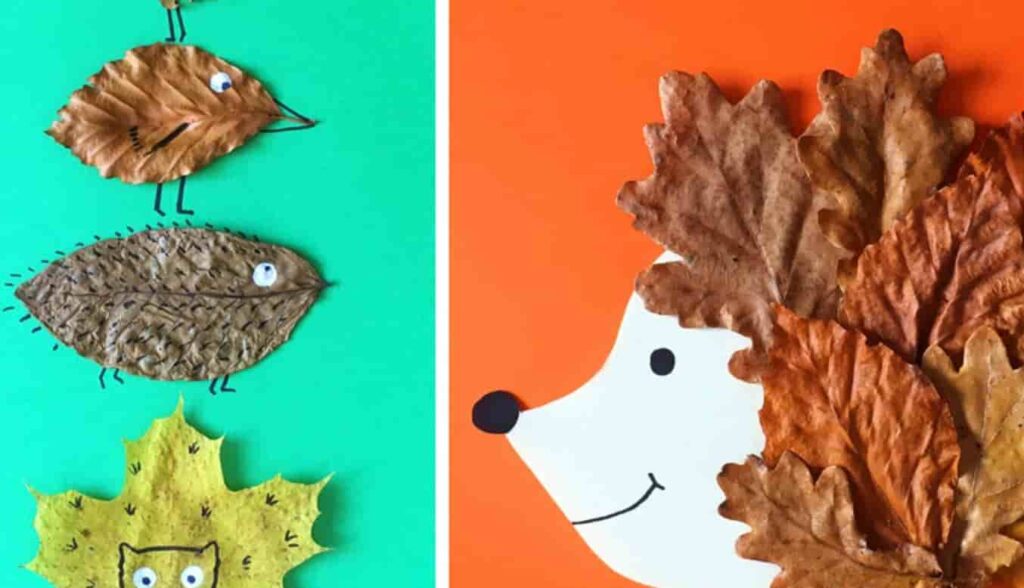
Immediate Sensory Benefits
By deliberately focusing on these natural elements, parents can help their little ones navigate complex sensory inputs in a safe, controlled, and deeply comforting environment, fostering long-term psychological resilience.
Beyond the immediate sensory benefits, discussing the changing leaves offers a prime opportunity to expand a preschooler’s vocabulary and conversational skills. Introducing words like “crunchy,” “fragile,” “crimson,” and “veins” while examining a leaf naturally broadens their linguistic repertoire.
Engaging them with open-ended questions—such as asking why they think a leaf changes color—encourages expressive language and imaginative reasoning.
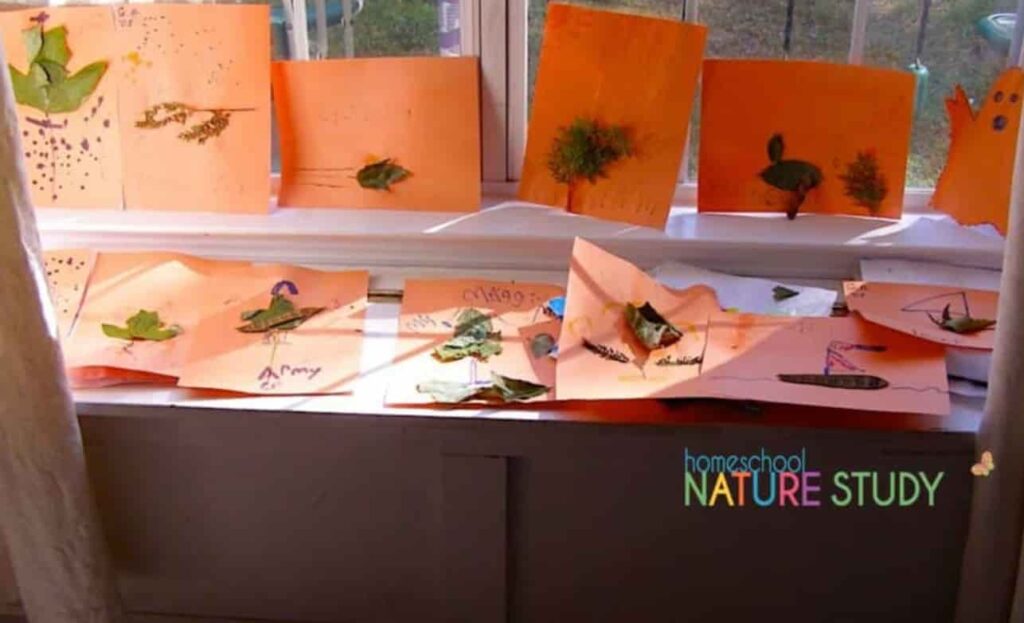
Enhancing Fine Motor Skills Through Leaf Art
One of the most significant advantages of creating preschool activities centered around leaves is the dramatic improvement in a child’s fine motor skills. The precise physical actions required to pick up a fragile leaf without crumbling it, dipping a brush into paint, or pressing foliage onto sticky paper demand high levels of hand-eye coordination.
These delicate, deliberate movements isolate the small muscles in the fingers and hands, which are absolutely crucial for future tasks such as writing, buttoning clothes, and tying shoelaces. As children practice these controlled motions, they are physically preparing their bodies for the academic challenges of kindergarten.
Additionally, introducing specialized tools during these artistic sessions can further refine their dexterity and grip strength. Providing child-safe scissors to snip the stems off leaves, or offering small sponge applicators to dab glue, introduces new mechanical challenges that require focus and control. Pediatric occupational therapists note that diverse, playful resistance activities—like tearing a large, dry leaf into tiny confetti pieces—excel at building intrinsic hand muscle strength.
By varying the crafting techniques and the materials used, parents ensure that their preschoolers are continually challenged, making the entire process of physical development both dynamic and exceptionally rewarding.

Nature Walks: Educational Outdoor Play
Planning purposeful nature walks is the foundational step before any successful Autumn Leaf Crafts session can truly begin. Transitioning from the indoor environment to the unpredictable outdoors requires a gentle, structured approach to maximize both safety and educational value. Before stepping out, it is highly beneficial to discuss the “rules of the explorer,” such as staying within sight and only touching safe, recognizable objects.
Setting these clear expectations helps mitigate common parental anxieties while empowering the child to take ownership of their outdoor adventure. This structured freedom allows young explorers to feel independent while remaining securely under parental guidance.
During the walk, the primary objective is to cultivate a deep, mindful appreciation for the shifting seasons. Encouraging your preschooler to walk slowly and observe the subtle details of their environment transforms a simple stroll into a comprehensive early childhood development exercise.
Pointing out the different sounds, like the wind rustling through the branches or birds migrating, grounds the child in the present moment.

Sensory Focus and Educational Purposes
It is generally observed that children who engage in mindful nature walks exhibit lower stress levels and a heightened sense of environmental stewardship. This practice effectively turns the local park into a vibrant, living classroom.
To make the collection process as engaging and organized as possible, utilizing a structured approach is incredibly effective. Parents can provide their children with a small, customized scavenger hunt list to guide their focus and prevent them from feeling overwhelmed by the vast outdoors.
| Item to Find | Educational Purpose | Sensory Focus |
|---|---|---|
| One Red Leaf | Color recognition and sorting | Visual stimulation |
| A Crunchy Leaf | Understanding physical states | Auditory and tactile feedback |
| A Smooth Acorn | Texture comparison | Fine motor grip |
| A Pinecone | Complex shape identification | Tactile exploration |
Implementing a simple checklist like the one above ensures that the nature walk remains interactive, goal-oriented, and highly educational for curious young minds.
Sensory Integration During Seasonal Scavenger Hunts
Integrating specific sensory goals into your outdoor excursions profoundly deepens the overall learning experience for toddlers and preschoolers. When children are actively tasked with finding items that satisfy different sensory criteria, their brain processes the environment in a highly integrated manner.
For instance, asking a child to close their eyes and listen to the leaves crunching under their boots heightens their auditory processing capabilities.
- Visual: Spotting the brightest yellow leaf hidden in the grass.
- Auditory: Listening to the distinct sound of snapping twigs.
- Tactile: Feeling the rough bark of a mature oak tree. These targeted interactions ensure a holistic developmental approach.
Focusing on these varied sensory inputs also aids in emotional regulation, providing a calming effect for children who might easily become overstimulated. The predictable, rhythmic elements of nature—such as sorting leaves by their textures or categorizing them by subtle color gradients—offer a soothing, repetitive task that grounds anxious energy.
Child psychologists often recommend nature-based sensory tasks as a gentle, effective way to help children self-soothe and refocus. By thoughtfully designing these scavenger hunts around sensory milestones, parents provide their children with essential coping mechanisms and a joyful, immersive connection to the natural world.

Hands-On Creativity: Autumn Leaf Crafts
Once the outdoor collection phase is complete, transitioning into the creation of Autumn Leaf Crafts brings the educational journey full circle. One of the most universally beloved and developmentally appropriate projects is the classic leaf rubbing activity. By placing a textured leaf underneath a piece of thin white paper and gently rubbing a crayon over it, children witness the intricate vascular structure of the leaf magically appear.
This specific craft is highly recommended by educators because it perfectly illustrates cause and effect while simultaneously requiring a controlled, continuous motor movement, blending scientific discovery with essential physical coordination.
Another incredibly effective project involves creating a seasonal “contact paper suncatcher” to display in a prominent window. Parents can tape a large square of clear, sticky contact paper to a table, allowing the preschooler to arrange their collected leaves, flower petals, and small twigs onto the adhesive surface. This activity completely eliminates the frustration and mess of liquid glue, making it ideal for younger toddlers developing their spatial awareness.
As the sunlight eventually shines through their preserved masterpiece, children gain a tremendous sense of pride and accomplishment, fundamentally reinforcing their self-esteem and ongoing creative confidence.
Frequently Asked Questions
What is the best way to preserve leaves for Autumn Leaf Crafts?
To ensure your collected leaves remain vibrant and flexible for crafting, the most effective method is to press them. Simply place the freshly gathered leaves between two sheets of wax paper, or insert them inside the pages of a heavy book lined with parchment paper, and leave them for several days.
How can I ensure nature exploration remains safe for toddlers?
Safety during outdoor adventures is a common concern for parents, and it is easily managed with simple preventative measures. Always scout the walking area beforehand to avoid locations with heavy traffic, steep drops, or hazardous plants like poison ivy.
Which specific fine motor skills do seasonal crafts improve?
Engaging in seasonal art projects primarily targets and strengthens the pincer grasp, which is the coordinated use of the index finger and thumb.