Editor’s Note: Yes, according to pediatric experts, exclusively breastfed babies need a daily supplement of 400 IU of Vitamin D drops beginning in the first few days of life to support healthy bone development and prevent deficiencies.
Welcoming your newborn comes with immense joy and many questions about infant nutrition. Breast milk is universally celebrated as the gold standard for your baby’s health, packed with tailored nutrients. However, one specific nutrient requires extra help. This brings parents to a common pediatric recommendation: daily Vitamin D drops.
According to healthcare professionals, while breast milk is perfect, it lacks sufficient levels of this sunshine vitamin, making supplementation vital.

Navigating advice from doctors and the internet can leave you feeling overwhelmed about infant supplementation. You might ask why natural breastfeeding requires an external product. Understanding bone health, calcium absorption, and modern maternal lifestyles easily demystifies this common advice.
Parent Experience
As a parent, I vividly remember staring at that tiny bottle of drops and wondering why nature’s perfect food—breast milk—didn’t have everything my sweet baby needed. It felt almost contradictory to the natural process we trust so much. But over time, I realized that our modern lifestyles keep us mostly indoors, fundamentally changing how we and our babies absorb sunlight.
Adding those daily drops quickly became just another little act of love in our morning routine, giving me incredible peace of mind that my baby’s rapidly growing bones were fully supported and protected.

Understanding Vitamin D Drops
The primary role of Vitamin D drops is to facilitate the absorption of calcium and phosphorus, which are fundamental for a strong skeletal system. According to experts, infants lacking this vitamin face a higher risk of developing rickets, a condition causing weakened bones.
It is generally observed that exclusively breastfed infants are particularly vulnerable without a daily supplement, as the natural transfer through breast milk is insufficient to meet rapid growth demands.
Many parents worry about this, feeling anxious that their milk is inadequate, but rest assured, this is completely normal. The limitation in maternal vitamin D levels is an evolutionary shift due to our modern indoor lifestyles and sunscreen use. Since direct sunlight exposure is not recommended for infants, infant vitamin D supplementation steps in to bridge this gap.
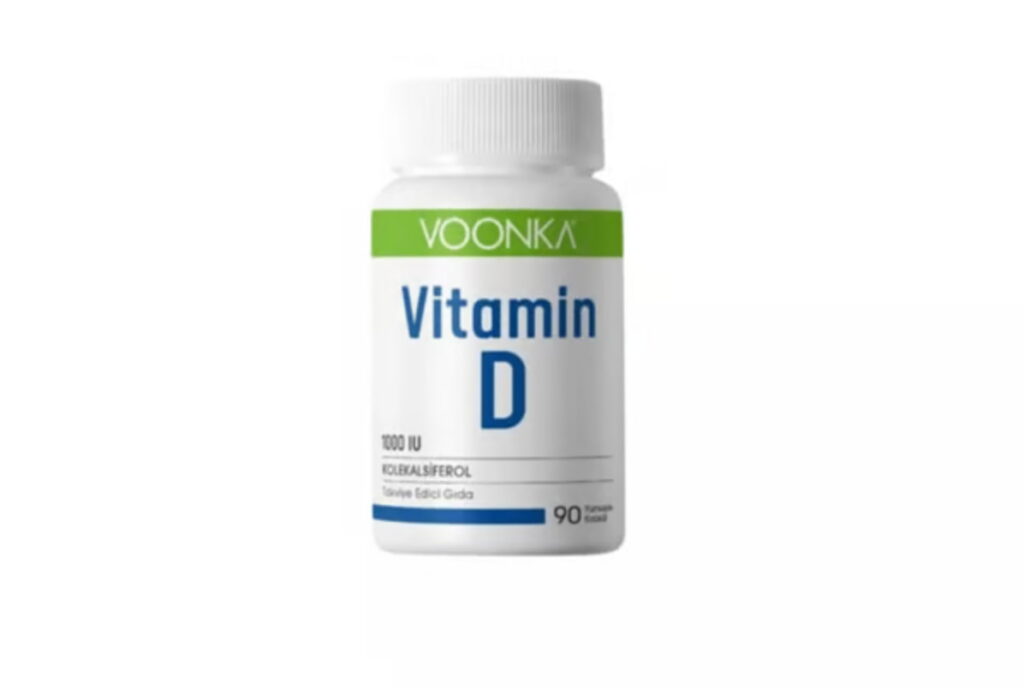
Vitamind D and Immune System
Healthcare professionals emphasize that these drops are a preventative measure for modern infant care.
When discussing the correct dosage, pediatric guidelines consistently advise a daily intake of 400 International Units (IU) of liquid vitamin D for babies. This supplementation is recommended to begin within the first few days of life and continue until the baby drinks adequate amounts of fortified formula.
Maternal Diet and Breast Milk: Why Sunshine Isn’t Enough
A common misconception is that a mother spending ample time in the sun naturally passes enough of this nutrient to her infant. While a mother’s nutritional intake enriches her breast milk, studies show that standard dietary amounts do not transfer a sufficient concentration to meet a growing infant’s requirements.
Even if a nursing mother consumes a diet rich in fortified foods, the biological mechanism of milk production tightly regulates how much vitamin is passed along.
Consequently, unless a mother undergoes a medically supervised, ultra-high-dose protocol, direct infant supplementation remains the safest route. Using precise Vitamin D drops ensures the baby receives exactly 400 IU daily, eliminating the guesswork associated with maternal milk transfer rates.
It is widely observed by nutritionists that direct infant dosing provides a reliable safety net, guaranteeing that the baby’s developing skeletal structure receives the uninterrupted support it requires during those critical early months.

Navigating the Options: Choosing the Right Infant Supplement
When selecting baby health products, the most crucial factor to verify on the label is the concentration per dose; it must clearly state how to administer exactly 400 IU. Many popular brands offer this dosage in a single, concentrated drop, which is incredibly convenient to apply directly to the breast or a clean finger.
Alternatively, some liquid dietary supplements require a full milliliter dispensed via a small syringe, easily mixed into pumped milk.
Beyond the delivery method, it is highly beneficial to carefully review the inactive ingredients listed on these pediatric vitamins. According to experts, the best formulations are minimal, suspending the active vitamin in a simple carrier oil like fractionated coconut oil.
Avoid products with artificial colors or high sugar content, as an infant’s digestive system is highly sensitive. Selecting a pure product ensures your baby receives essential nutritional support without potentially irritating compounds.

Administration and Routine: Best Practices
Establishing a consistent daily routine is the most effective way to ensure you never miss your baby’s vital dose of Vitamin D drops. It is observed that tying the administration to a specific event, like the morning feeding, helps cement the habit in a parent’s mind.
Consistency is key because regular intake maintains the optimal blood levels necessary for continuous bone calcification. If you miss a day, medical professionals advise simply resuming the normal schedule.
Many parents worry about giving the drops incorrectly and causing their baby to choke, but this anxiety is highly common and manageable. To ensure a smooth process, you can employ gentle techniques that make the experience stress-free. Here are some expert-backed methods for administering the supplement safely:
- Direct Breast Application: Place a single concentrated drop directly onto the nipple.
- Clean Finger Method: Apply the drop to your clean finger.
- Bottle Mixing: Add the dosage directly to expressed breast milk.
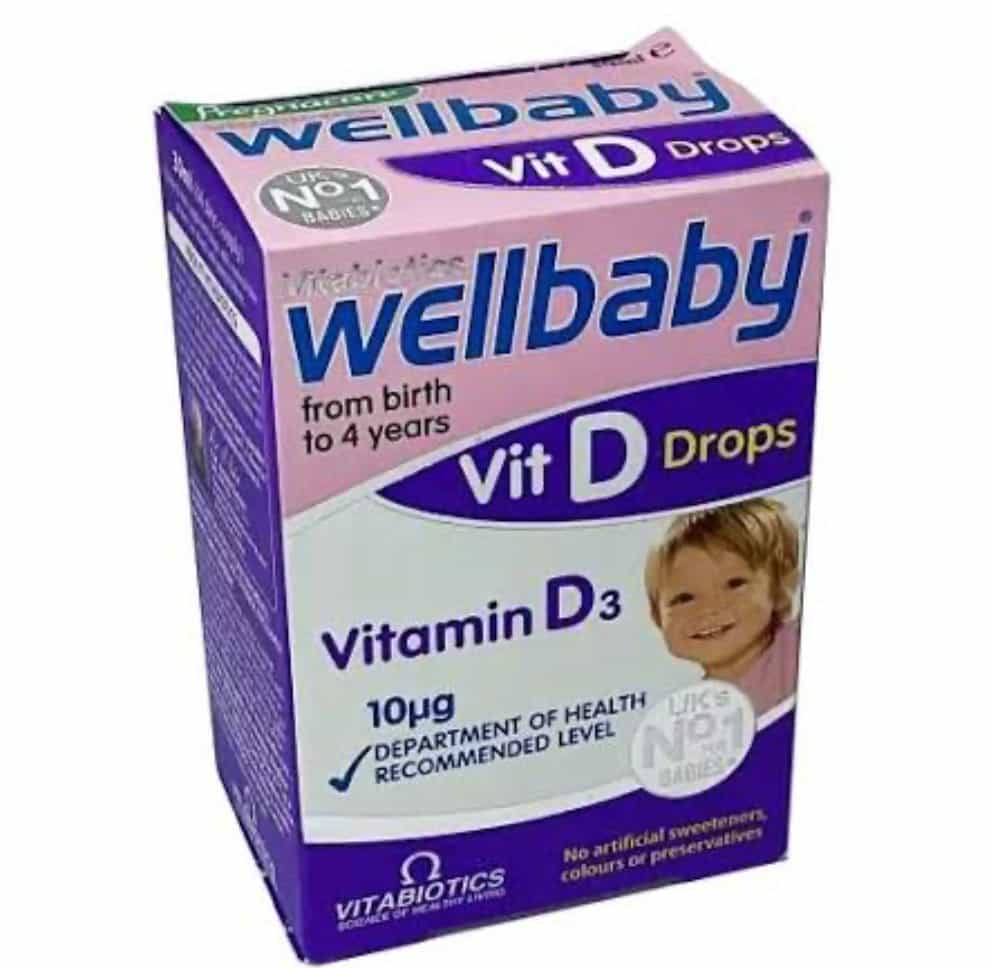
Infant Liquid Vitamins
Maintaining proper hygiene and adhering to storage guidelines is also essential when handling infant liquid vitamins. Always ensure your hands are thoroughly washed before handling the dropper to prevent the introduction of bacteria into the baby’s mouth.
Furthermore, always check the manufacturer’s instructions regarding storage; while some products are stable at room temperature, others require refrigeration. By following these straightforward practices, you can seamlessly integrate daily infant care routines that safeguard your baby’s health.
Comparing Feeding Methods: The Nutritional Breakdown
Understanding the nutritional differences between feeding methods clarifies why Vitamin D drops are specifically targeted toward breastfed infants, as commercial formulas are heavily fortified with essential nutrients.
Babies who are exclusively formula-fed generally consume their required 400 IU naturally through their milk, provided they drink at least 32 ounces daily.
This crucial distinction highlights why pediatric guidelines are carefully tailored based on how a baby is fed. Review the comparative data below regarding infant micronutrients.
| Feeding Method | Natural Vitamin D Level | Requires Supplementation? | Daily Requirement |
|---|---|---|---|
| Exclusive Breastfeeding | Very Low | Yes (400 IU daily) | 400 IU |
| Exclusive Formula | High (Fortified) | No (if >32oz/day) | 400 IU |
| Combination Feeding | Moderate | Often Yes | 400 IU |
Empowering Your Parenting Journey
Navigating the nuances of infant nutrition is one of the most profound responsibilities of new parenthood, and embracing proactive care ensures your child’s long-term vitality. While breast milk remains the ultimate nourishment, recognizing its limitations regarding the sunshine vitamin empowers you to make informed choices.
By seamlessly integrating Vitamin D drops into your routine, you take a definitive, evidence-based step toward securing optimal bone development and protecting their developing immune system.
Take a moment today to review your baby’s nutritional care plan and ensure you have a high-quality supplement readily available on your nightstand. If you have any lingering doubts about dosages, specific brands, or your baby’s unique health milestones, do not hesitate to reach out to your pediatrician for personalized advice.
Trust in your immense dedication, stay informed through reliable resources, and embrace each day as a beautiful opportunity to nurture your growing family.
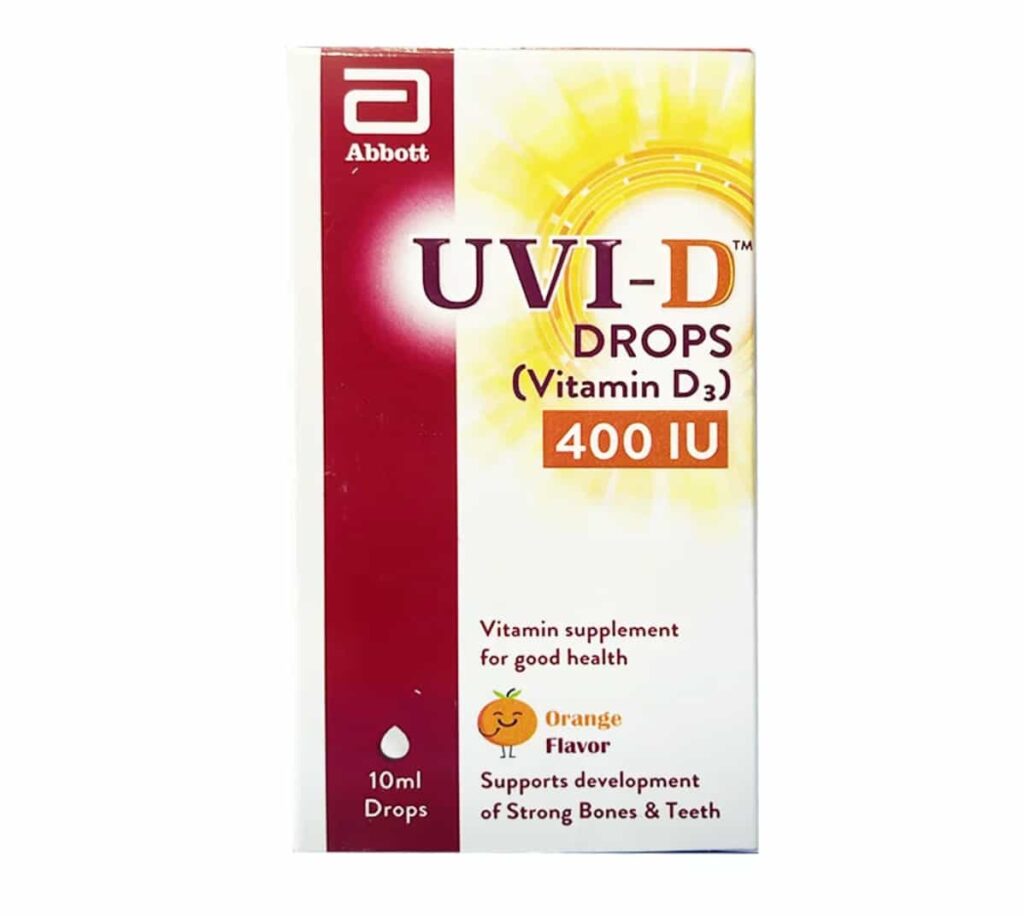
Frequently Asked Questions Vitamin D
What happens if I accidentally give my baby two doses of Vitamin D drops in one day?
Many parents worry about accidental double dosing during sleep-deprived newborn days, but according to experts, a single extra dose is rarely a cause for concern.
The body safely processes a minor surplus of infant vitamins without immediate adverse effects on health.
Do older breastfed babies still need Vitamin D drops after they start eating solid foods?
Yes, healthcare professionals generally advise continuing the 400 IU supplementation even after introducing purees at around six months.
While your baby explores new nutritional sources, early solid foods typically do not provide sufficient quantities to meet their high developmental demands.
Can Vitamin D drops cause stomach upset, gas, or colic in newborns?
It is occasionally observed that some infants may experience mild digestive changes when a new supplement is introduced, though pure vitamins themselves are rarely the direct culprit of severe colic.