Editor’s Summary: Sharenting poses severe long-term risks to children, including irreversible privacy erosion, identity theft, commercial data exploitation by brokers and potential exposure to digital kidnapping or unauthorized facial recognition tracking.
Every image, video, or status update published about a minor contributes to a permanent digital archive that can compromise their personal safety and future autonomy.
According to modern cybersecurity experts and child privacy advocates, early digital exposure creates unintended security vulnerabilities that persist long into adulthood.
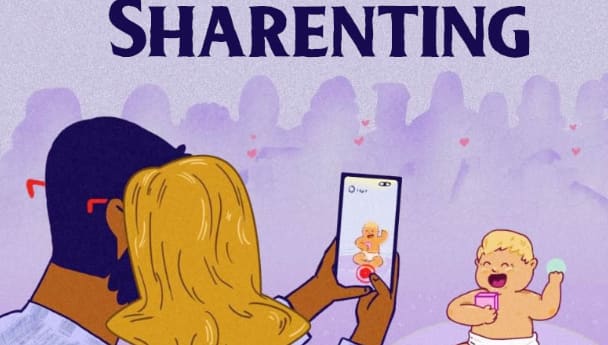
The modern digital landscape encourages families to document almost every aspect of childhood, transforming private developmental steps into public timeline updates.
While sharing these precious moments appears completely harmless on the surface, this cultural shift introduces unique systemic challenges regarding data security and parental oversight.
Real-life Experiences and Comments
As a team of modern parents navigating this hyper-connected ecosystem, we completely understand the profound desire to celebrate every single milestone with your digital community.
Many parents feel anxious about this, which is completely natural, but finding a sustainable balance between celebrating growth and preserving your child’s fundamental right to privacy is our core collective responsibility.
Pediatric professionals observe that a significant percentage of minors possess an active digital presence before they even learn to walk or speak fluently.

Every single photo, video, and behavioral anecdote posted online contributes directly to an immutable digital footprint that follows a child into their adult life.
Research indicates that data accumulated during childhood can eventually be utilized by financial institutions, universities, and prospective employers to form biased preconceptions.
By archiving their early vulnerabilities publicly, we inadvertently strip minors of their fundamental right to curate their own digital identity. Many parents feel anxious about this long-term impact, which is completely natural, but we must acknowledge how current shares affect future autonomy.
Furthermore, sophisticated tracking technologies and data brokers actively harvest information from public social media profiles to build comprehensive consumer personas.
These specialized corporate entities aggregate seemingly disconnected pieces of information, such as school locations, birthday parties, and medical updates, into highly targeted dossiers.

Predictive Profiling and Protective Boundary
Over time, this predictive profiling can influence the commercial advertisements directed at your child or even impact future insurance premium calculations. Protecting children from this pervasive corporate surveillance requires a comprehensive understanding of how background data gathering operates globally.
Legal and child rights advocacy groups frequently emphasize that children cannot provide informed consent for their personal information to be distributed across global networks. This lack of agency means their digital narrative is authored entirely by external sources, creating potential psychological friction as they mature.
Studies suggest that teenagers often experience significant distress when discovering that intimate details of their early childhood are accessible to peers and strangers alike. Cultivating a protective boundary around daily family life helps mitigate these privacy concerns and preserves their personal autonomy for the future.

Cybersecurity and Identity Theft: The Hidden Dangers
The intersection of modern family blogging and sophisticated cybercrime has created a fertile environment for automated identity theft targeting minor demographics. Financial analysts observe that a child’s clean credit history represents an incredibly lucrative target for malicious actors looking to open fraudulent accounts.
By publishing full names, exact birth dates, and geo-tagged locations, parents unknowingly supply cybercriminals with the precise ingredients required for identity fraud. Many parents feel anxious about this widespread digital vulnerability, which is completely natural, but executing proactive security adjustments remains vital.
In addition to basic financial fraud, the rapid advancement of artificial intelligence has magnified the risks associated with unauthorized facial recognition systems. Tech companies and independent data harvesters utilize automated scraping tools to extract public family imagery for machine learning training datasets.

Global Biometric Tracking Systems
Once an image enters these expansive databases, removing it becomes nearly impossible due to decentralized cloud storage architectures. This means a casual backyard photo could inadvertently contribute to global biometric tracking systems without parental awareness or explicit authorization.
Cybersecurity agencies regularly warn that oversharing localized details, such as identifiable school uniforms or routine neighborhood park visits, compromises physical safety. Malicious actors can combine these distinct digital clues to map out a child’s exact daily schedule and predictable physical location.
This alarming trend emphasizes the absolute necessity of auditing privacy settings and restricting public access to personal family media assets. Implementing restrictive sharing protocols creates an essential buffer layer between your household’s daily activities and potential external cyber threats.
Biometric Scraping and the Proliferation of Machine Learning Databases
The automated extraction of facial metrics from public social networks represents a direct threat to long-term digital privacy and security. Specialized software programs can analyze unique facial features from childhood photos and link them directly to adult profiles as technology continues to evolve.
Experts suggest that this seamless cross-referencing could compromise personal anonymity in public spaces, making private life accessible to tracking networks. Many parents feel anxious about this technological progression, which is completely natural, but understanding these structural shifts allows for better defenses.

Moreover, these harvested biometric profiles are frequently traded on secondary digital marketplaces without any stringent regulatory oversight or user accountability. Once a child’s facial data is integrated into commercial recognition systems, it can be utilized for algorithmic sorting and predictive analytics.
Digital Kidnapping and the Visual Misappropriation of Children’s Milestones
An increasingly prevalent phenomenon known as digital kidnapping occurs when strangers copy family photos to create entirely fabricated digital personas. These bad actors integrate stolen imagery into alternative social media accounts, roleplaying as the child’s actual parent to gain online traction.
This bizarre form of exploitation strips the original family of control over how their child’s likeness is utilized across digital communities. Many parents feel anxious about this specific visual misappropriation, which is completely natural, but remaining vigilant helps protect family media.
The psychological impact of discovering a child’s likeness being used by strangers can be incredibly distressing for protective households. It underscores the harsh reality that digital media can be instantly duplicated and repurposed once it leaves a private ecosystem.
To combat this trend, child safety advocates recommend adding subtle watermarks or sharing lower-resolution images that are less appealing to profile duplicators. Taking these conscious precautions helps ensure that your family’s private moments do not become public property for internet strangers.

Data-Driven Guidelines: Safe Sharing Practices
Adopting an intentional approach to digital media requires evaluating our sharing habits against established cybersecurity frameworks and child protection standards. Studies suggest that transitioning from public broadcasts to restricted, encrypted communication channels drastically minimizes the probability of unauthorized data aggregation.
By establishing clear family boundaries regarding digital media, parents can successfully celebrate growth while maintaining a highly robust security posture. Many parents feel anxious about changing their established habits, which is completely natural, but implementing structural modifications is simpler than it appears.
To assist families in distinguishing between secure methods and hazardous habits, we have developed a clear behavioral guide.
The following comparative matrix outlines critical digital choices and their associated threat levels to help optimize your domestic privacy settings effectively.
Reviewing these distinct categories allows households to make informed decisions that actively protect their children’s rights and personal data integrity over time.
| Sharing Category | High-Risk Sharenting Behaviors | Safe Sharing Practices |
| Visual Assets | Posting high-resolution geotagged photos or school uniform shots. | Sharing cropped, blurred, or low-resolution facial imagery. |
| Personal Data | Publishing full legal names, exact birth dates, and locations. | Using initials or pseudonyms without specifying exact birth dates. |
| Behavioral Logs | Documenting tantrums, medical diagnoses, or private struggles. | Discussing general parenting dynamics without identifying the minor. |
- Data Auditing: Review historical status posts and systematically delete media containing identifiable landmarks.
- Network Restriction: Transform public profiles into highly restricted networks requiring manual follower validation.
- Metadata Scrubbing: Use modern privacy tools to remove geographic coordinates and camera details from family photos before publishing.
Sharenting and Expert Advices
In addition to utilizing structured frameworks, parents should actively implement a multi-layered security protocol across all personal social media platforms.
Prioritizing metadata removal, disabling automatic location tagging, and executing routine follower audits significantly decreases your family’s overall digital exposure radius.
Experts recommend having open conversations about digital boundaries with extended family members who may also post images of your children.
Collaborative vigilance ensures that your child’s immediate social circle works cohesively to maintain a secure and private childhood experience.

Building a Secure Digital Future: Boundaries!
Shifting toward an intentional digital lifestyle involves creating sustainable boundaries that prioritize your child’s future well-being over temporary online engagement metrics. Experts suggest replacing public status updates with private, end-to-end encrypted family sharing applications that keep data within a trusted close circle.
This protective strategy ensures that close relatives stay informed about milestones without exposing sensitive developmental data to corporate analytics engines. Many parents feel anxious about reducing their digital interactions, which is completely natural, but the peace of mind gained is truly immeasurable.
Ultimately, guarding childhood privacy is an ongoing commitment that evolves alongside technological advancements and shifting online paradigms. By cultivating a household culture centered around digital consent and media literacy, we prepare our children to navigate the digital world safely.
Instead of completely erasing digital memories, the goal is to manage them with deep respect, security consciousness, and proactive care. .
What exactly defines sharenting in modern digital parenting?
Sharenting refers to the habitual practice of parents sharing detailed stories, photos, and video updates of their children on social media networks.
How does oversharing online impact a child’s future credit rating?
Oversharing critical personal details like full names, birth locations, and exact dates provides identity thieves with the information needed to create fraudulent profiles.
Can data brokers track my child if my accounts are set to private?
While private accounts offer better protection, third-party applications, platform policy updates, and network data breaches can still expose imagery to brokers.
What is the safest way to share baby updates with family members?
The safest method is using dedicated, password-protected digital albums or encrypted messaging platforms rather than mainstream public social networks.