Contents
Editor’s Note: The key to eliminating tummy time tears is gradually introducing brief, highly engaging sessions rather than forcing long, uncomfortable stretches that overwhelm your newborn’s fragile system. Every parent eagerly anticipates the joyful milestones of early infancy, but placing your sweet baby on their belly often results in unexpected wailing and deep frustration. The American Academy of Pediatrics (AAP) strongly recommends daily belly play to prevent flat head syndrome and build essential motor skills, yet this crucial activity frequently turns into a daily battle.
Understanding that this initial resistance is entirely normal helps you transform a stressful chore into a beautiful bonding experience.
Transforming this daily requirement into a truly enjoyable activity requires deep empathy, strategic physical positioning and a thorough understanding of your baby’s current physical limitations. When infants cry during this developmental exercise, they are communicating genuine physical fatigue and spatial confusion, not mere stubbornness.

By intentionally incorporating sensory distractions and adjusting the play environment, you can seamlessly foster healthy baby development without the accompanying distress. This comprehensive guide will explore the hidden physiological reasons behind the crying and provide actionable, gentle techniques to help your little one thrive during their crucial floor exercises.
Decoding the Real Reasons Behind the Resistance
Babies cry during tummy time simply because it is an exhausting, gravity-defying workout for their underdeveloped neck, back and core muscles. Imagine trying to lift a massive weight with muscle groups you have never actively used before; this is exactly what your infant experiences when placed flat on the floor. Their heads are disproportionately large and heavy compared to their tiny bodies, making the simple act of looking up a monumental physical challenge.
Acknowledging this immense physical effort allows parents to approach these developmental milestones with immense patience and realistic expectations rather than unnecessary anxiety.
The sudden shift in perspective and the immediate loss of visual contact with caregivers can trigger profound feelings of isolation and spatial disorientation in young infants. When placed face-down on a colorful play mat, babies instantly lose sight of the comforting faces that make them feel safe and secure, leading to immediate emotional distress. Furthermore, the hard surface of the floor feels drastically different from the warm, soft embrace they are so accustomed to in your arms.

Bridging this sensory gap by getting down on their eye level is a fundamental step in minimizing those heartbreaking tummy time tears.
The Physical Demands on Infant Muscles
Pushing up against the relentless force of gravity is absolutely essential for strengthening the upper body strength required for later milestones like rolling, crawling and eventually walking independently. This intense physical exertion directly engages the back, neck and shoulder muscles which are incredibly weak and untested during the first few months of life.
If we appropriately view this activity as a high-intensity interval training session tailored for newborns, the crying becomes a highly logical response to rapid muscle fatigue. Recognizing the sheer physical exertion involved helps caregivers adjust the duration of infant exercise, opting for multiple short bursts rather than prolonged sessions.
Consistent, daily practice actually rewires the infant’s developing brain to coordinate complex motor functions and rapidly develop crucial spatial awareness in their new environment. As your baby gradually builds physical tolerance, the neural pathways connecting their muscles to their brain become significantly stronger, faster, and much more efficient.

This vital neurological adaptation is just as important as the visible physical muscle growth happening in their tiny frames. Meticulously monitoring their gross motor skills over time will reveal that the initial struggles eventually pave the way for confident, independent movement and a wonderful natural curiosity about their surrounding environment.
Proven Strategies to Transform Frustration into Fun
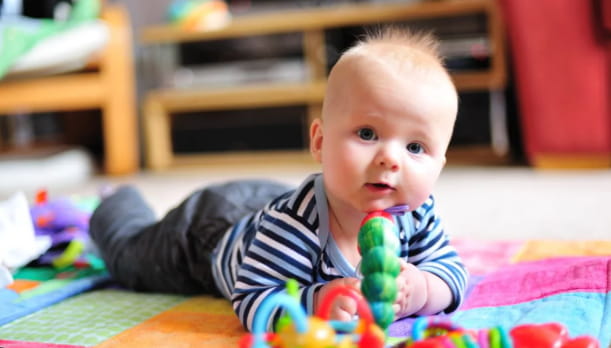
Introducing active sensory engagement through high-contrast toys, unbreakable mirrors and musical instruments effectively distracts babies from the intense physical exertion of lying on their stomachs. Newborns are naturally drawn to bold black-and-white patterns and their own fascinating reflections, which provide a captivating visual incentive to bravely lift their heavy heads. By strategically placing a baby-safe mirror or a brightly colored plush toy just slightly out of reach, you create a compelling, irresistible reason for them to endure the workout.
This clever psychological method shifts their focus from the discomfort of building neck strength to the sheer excitement of visual discovery.
Incorporating your own reassuring body into the exercise is undoubtedly the most comforting and highly effective way to ease a reluctant baby into regular tummy time. Lying flat on your back and resting your baby comfortably on your chest provides the essential skin-to-skin reassurance they crave while still gently forcing them to lift their heads to see your face.
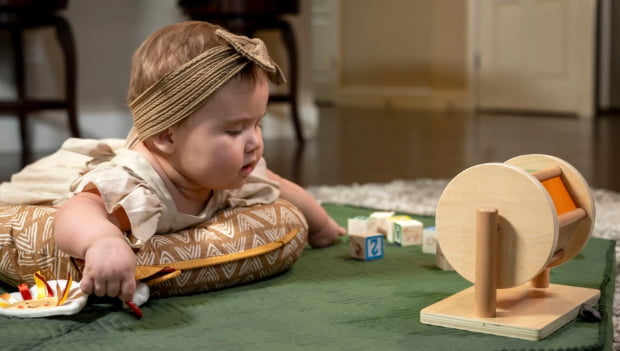
This wonderfully modified approach smartly utilizes the gentle incline of your chest to reduce the harsh gravitational pull, making the physical effort significantly easier for them to manage. It serves as the perfect, tear-free transitional step before graduating to a traditional flat play mat.
Gentle Modifications: Alternatives to the Floor
| Tummy Time Challenge | Traditional Forced Approach | Gentle Modification Strategy | Primary Motor Benefit |
| Immediate Crying | Waiting it out while the baby screams helplessly. | Reclining back and placing the baby directly on your chest. | Builds vital neck strength through highly motivated, loving eye contact. |
| Face Planting | Forcing their heavy head up with a rigid prop. | Rolling a small, soft receiving blanket gently under their armpits. | Provides crucial upper body elevation and reduces immediate physical fatigue. |
| Short Endurance | Demanding a full, agonizing twenty minutes all at once. | Offering frequent, two-minute micro-sessions immediately following diaper changes. | Accumulates necessary daily physical practice without causing severe neurological exhaustion. |
| Refusal to Lift Head | Placing toys out of their immediate visual field. | Using a high-contrast, shatterproof mirror directly in front of them. | Engages deep visual tracking and intuitively encourages natural head elevation. |
Frequently Asked Questions (FAQ)
How much tummy time does my baby actually need daily?
Experts recommend aiming for around twenty to thirty minutes of total daily tummy time, broken down into very short, manageable sessions. Three minutes here and five minutes there naturally accumulate throughout the day, completely bypassing the intense frustration caused by demanding a single, agonizingly long physical workout.
Does babywearing count as official tummy time?
Yes, babywearing in a supportive, upright carrier absolutely counts as highly effective tummy time. This vertical position forces your baby to actively utilize their core and neck muscles to stabilize their heavy head against your chest, providing exceptional physical strengthening while deeply soothing their developing nervous system.
What if my baby still screams every time we try?
If your baby consistently screams, completely pause traditional floor sessions and immediately switch to chest-to-chest positioning. Never force a crying infant to endure this exercise, as it rapidly builds a negative neurological association. Reintroduce the floor gradually only when they are fully calm and highly receptive to play.
Alternative Positions for Tummy Time
Modifying the play environment and adjusting physical angles through creative alternative positions allows you to achieve the exact same developmental benefits without triggering any emotional distress. If the flat floor is perceived as the enemy, completely removing the floor from the equation is a highly effective, stress-free strategy globally endorsed by pediatricians.
These clever variations still actively engage the necessary core muscles but do so in a gentle way that feels like natural cuddling or playtime rather than a forced physical chore. Implementing a fun rotation of these positions prevents infant boredom and gently builds their endurance over the first few months.

Integrating incredibly short bursts of belly play during normal daily routines, such as diaper changes or post-bath massages, beautifully normalizes the activity and significantly reduces anxiety. Consistency is far more valuable than extended duration; therefore, seizing micro-opportunities yields incredible long-term developmental results.
By attaching the activity to a familiar routine, the baby anticipates and accepts the position naturally. You can use the “Lap Soothe” by laying your baby face down across your lap while gently rubbing their back to build motor skills.

Journey to Independent Movement for Tummy Time
Transforming this uniquely challenging developmental hurdle into a truly joyful bonding ritual requires immense patience, boundless creativity, and a loving willingness to adapt to your baby’s unique cues. Every single child develops at their own distinct, beautiful pace, and actively comparing your infant’s physical tolerance to others only breeds unnecessary, counterproductive stress.
The difficult days of frustrating tummy time tears will remarkably soon be replaced by the triumphant, unforgettable moment your baby independently rolls over and begins to crawl. By utilizing these gentle strategies, alternative positions, and supportive props, you are successfully laying a powerful foundation for their future physical health.
Always trust your innate parental instincts and continually remember that daily consistency, paired with abundant affection, is the ultimate secret recipe for conquering early physical challenges. Your warmly encouraging voice, gentle touch, and constantly reassuring presence are undoubtedly the most powerful motivators your precious child will ever have in their life.
As you confidently implement these new baby development techniques, take time to celebrate the tiny victories, whether it is an extra thirty seconds on the mat or a slightly higher head lift.