Contents
Editor’s Note: Creating taste-safe ideas and sensory bins is fundamentally about providing infants and toddlers with the profound neurological benefits of tactile play without the constant, hovering anxiety of a choking hazard. Pediatric occupational therapists emphasize that early sensory exploration is critical for building strong nerve connections in the brain’s developing pathways.
By utilizing completely edible bases like toasted oats, whipped aquafaba, or cooked spaghetti, parents establish a highly secure environment where natural curiosity dictates the learning pace. This intentional design shifts the focus entirely away from restrictive safety warnings and directly toward joyful, unrestricted physical discovery.
At SweetParent, we know balancing safety with enriching play feels overwhelming for busy parents. Curating a list of edible sensory bases is a game-changer for your routine. From colorful pasta to yogurt-based finger paints, these clever setups allow your little one to squish and taste their way through the afternoon.
This is your ultimate guide to creating magical, worry-free sensory experiences your toddler will love.
Why Edible Play Matters: Nutrition & Discovery
Sensory play is not just a parenting buzzword; it is a fundamental building block for a rapidly developing brain. When toddlers dig their hands into textures, they build neural pathways that process the world. Introducing taste-safe ideas into the mix elevates this from tactile feedback to a multi-sensory nutritional journey. They engage touch, sight, smell, and most importantly, taste, all within one incredibly secure environment.
Using food-based materials completely removes anxiety from your parenting equation. You no longer have to hover, waiting to intercept toxic shaving cream or plastic beads. By utilizing ingredients you trust in their high chair, you create a seamless transition between mealtime and playtime. This verifiably safe method is highly recommended by occupational therapists to encourage independent exploration without compromising essential health and safety standards.
Blending playtime with baby nutrition offers an ingenious way to introduce hesitant eaters to new flavors. A child refusing oatmeal at breakfast might happily lick those same oats off their fingers during low-pressure play. This positive association helps combat early pickiness and fosters a healthier relationship with diverse ingredients.
Building Healthy Eating Habits Through Play
Incorporating taste-safe ideas into your sensory bins is a proven strategy for overcoming toddler food aversions. Pediatric dietitians emphasize the importance of food play outside of structured mealtimes. When eating pressure is completely removed, children feel empowered to explore sensory properties on their own terms. Squishing cooked peas helps them understand the food’s mechanics before it reaches their taste buds, significantly reducing daily mealtime anxiety.
This exploratory freedom directly translates to a more adventurous eater at the dinner table. As your one-year-old becomes familiar with the scent of cinnamon in an edible bin or the slickness of spaghetti, those sensations become normalized. They learn unfamiliar textures are not inherently dangerous, representing a massive developmental leap. Offering edible play lays a foundation of trust that benefits their lifelong nutritional habits.
Developing Fine Motor Skills Safely
Beyond nutritional benefits, sensory bins are absolute powerhouses for developing crucial fine motor skills. As your baby pinches a Cheerio or scoops up flour, they strengthen tiny muscles in their hands and wrists. These repetitive motions are essential for later milestones like holding a pencil or using a spoon independently. Utilizing taste-safe ideas ensures this vital physical development happens in a completely risk-free, engaging zone.
To maximize these benefits, strategically add baby-safe tools to your edible sensory setups. Large silicone spoons, measuring cups, and clean spatulas encourage practicing hand-eye coordination and spatial awareness. When they inevitably decide to chew on the spoon or taste the edible mud they scooped, you can simply smile.
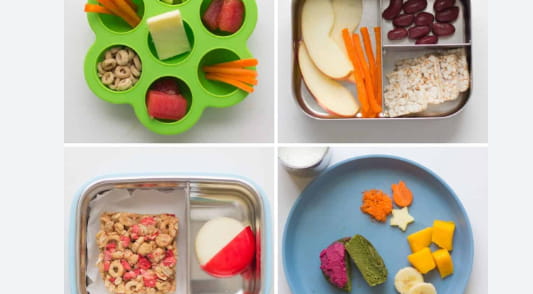
Top Taste-Safe Ideas: Staples Turned Playtime
Now that we understand the deep developmental benefits, stock your sensory toolkit with the best taste-safe ideas available in your kitchen. The golden rule is selecting ingredients that are easily digestible, free of common allergens and pose absolutely zero choking risks. You do not need to spend a fortune on specialized educational toys when your pantry is brimming with versatile, engaging, and completely edible play materials.
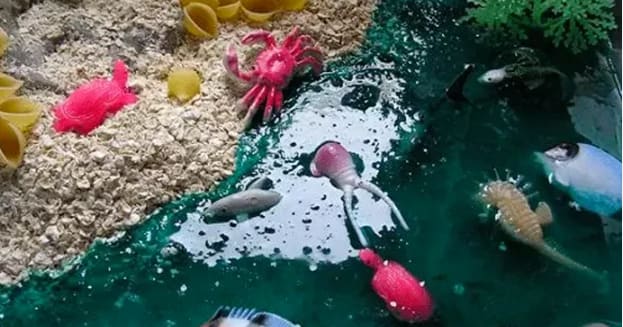
One of the most beloved bases for one-year-olds is creating edible sand using crushed cereal or toasted oats. By tossing plain Cheerios into a food processor, you instantly create a gritty texture that mimics beach sand. It is perfect for practicing scooping, and if a handful makes its way into their mouth, it is simply a nutritious snack. It is the ultimate win-win scenario for parents.
For a wet and wonderfully messy experience, nothing beats yogurt-based finger paint or edible slime. Mixing plain yogurt with natural food coloring creates a vibrant, thick medium for artistic expression. This provides a fantastic cooling sensation for teething babies while packing a healthy dose of calcium.
Colorful Pasta and Oobleck Adventures
Cooked pasta is undeniably a champion among taste-safe ideas due to its slippery texture and ease of preparation. Boil spaghetti or macaroni until very soft, toss with a little olive oil to prevent sticking, and let it cool. To increase visual appeal, dye the pasta using natural vegetable juices like beet or spinach. This creates a mesmerizing, rainbow-colored tangle that is an absolute joy to slurp.
Another scientifically engaging base is taste-safe oobleck, traditionally made with cornstarch and water. For a one-year-old, enhance the nutritional profile by swapping water for a thin fruit puree, though simple water works perfectly too. The fascinating solid-to-liquid property provides an unmatched tactile experience. While you don’t want them consuming raw cornstarch bowls, a tiny taste won’t hurt, making it highly engaging for messy afternoon playtime.
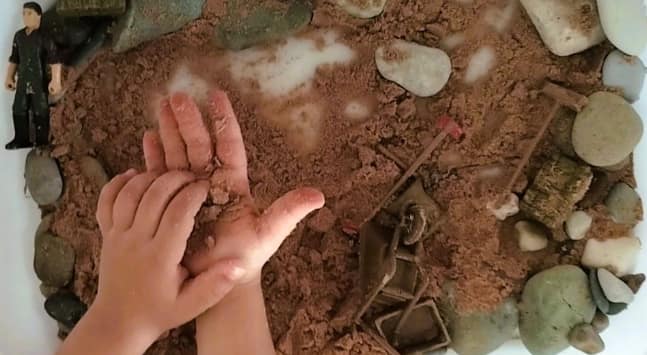
Whipped Chickpea Foam and Gelatin Digs
If your toddler absolutely loves bubbles, creating aquafaba foam is one of the most brilliant taste-safe ideas you can implement. By whipping the liquid from a can of unsalted chickpeas with a hand mixer, you produce stiff, fluffy peaks resembling bubble bath. It is entirely non-toxic, visually spectacular, and completely safe if your baby eats a handful. It provides joyful messy play without ingesting harsh soap.
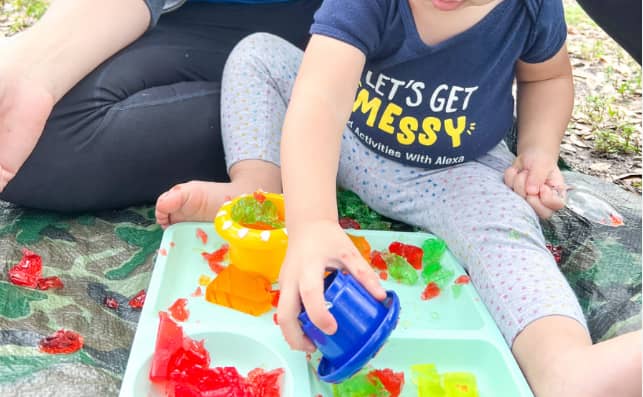
Finally, unflavored gelatin offers a fantastic, jiggly medium for exciting sensory rescue missions. Prepare a batch of gelatin and suspend safe, edible items like blueberries or large chunks of steamed carrots inside. Once it sets in the fridge, your baby can use their fingers to dig and liberate the trapped snacks. It wonderfully combines fine motor challenges with a healthy, hydrating, and highly engaging snack time.
Setting Up Your Sensory Bin: Mess & Safety
While edible sensory bins are fundamentally secure, establishing proper safety protocols is essential for a stress-free experience. Before introducing new taste-safe ideas, you must always adhere to
- fundamental baby nutrition and
- safety rules.
The primary objective is ensuring the play environment remains as safe as their high chair, allowing you to relax during their exploration. Preparation is key to preventing chaotic cleanups and avoiding any hidden hazards.
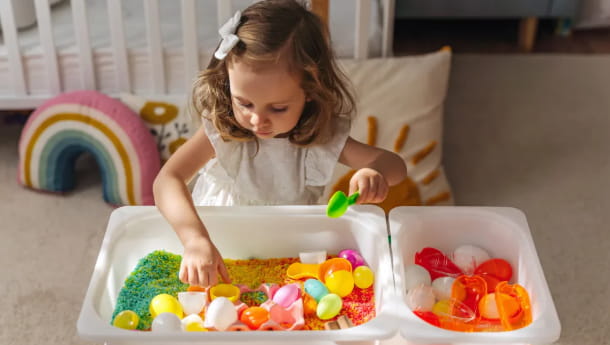
The most critical aspect of setup is defining the physical boundaries of the play area. Utilizing a large, shallow plastic container helps keep the bulk of the materials beautifully contained. To combat inevitable spills, place a large splash mat or washable shower curtain underneath the bin. If the weather permits, taking the edible sensory bin outside is the ultimate parenting life hack for minimizing indoor cleanup.
Even with completely edible materials, active parental supervision remains absolutely non-negotiable. Taste-safe implies taking a bite is harmless, but it does not mean the bin is an all-you-can-eat buffet. Sit close by, narrating their actions to boost language and speech development, and guiding them if they try consuming too much of the base.
Allergy Checks and Choking Hazard Prevention
Trust and verifiability are paramount when selecting materials for your baby. Before implementing any taste-safe ideas, rigorously cross-check every ingredient against your baby’s known allergens and pediatrician guidelines. If using a new food item, ensure you have already successfully tested that allergen in a controlled mealtime setting. Never use a sensory bin as the first introduction to a highly allergenic food to prevent unexpected and dangerous reactions.
Preventing choking hazards is the absolute top priority when dealing with edible play materials. A toddler’s airway is incredibly small, requiring you to strictly avoid hard, round, or sticky foods.
Ingredients like
- whole grapes,
- nuts, or
- large raw vegetables
should never be used. Always ensure pasta is cooked very soft, and any hidden treasures are either safely mashable or significantly larger than their delicate little airway.
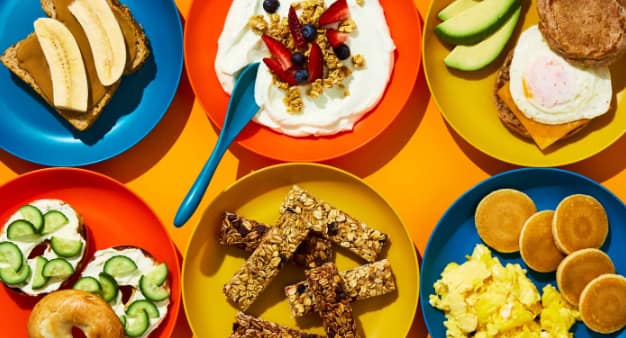
Sensory Foundations: Safe Exploration Bases
| Base Material | Texture & Experience | Preparation Strategy | Primary Developmental Benefit |
| Toasted Oats | Dry, rough, and highly scoopable. | Pulse briefly in a blender to mimic coarse beach sand. | Perfects the pincer grasp and auditory tracking when poured. |
| Whipped Aquafaba | Fluffy, wet, and visually fascinating. | Whip chickpea water with a hand mixer until stiff peaks form. | Engages deep tactile curiosity and gentle hand-eye coordination. |
| Cooked Spaghetti | Slimy, stretchy, and incredibly satisfying. | Boil, rinse with cold water, and toss with safe food coloring. | Builds intrinsic hand strength and encourages bold sensory risk-taking. |
| Crushed Cereal | Powdery, crumbly, and highly colorful. | Crush brightly colored, low-sugar cereal in a sealed plastic bag. | Enhances visual discrimination and introduces safe, subtle flavor profiles. |
Frequently Asked Questions (FAQ)
At what age can my baby start using sensory bins?
You can safely introduce taste-safe sensory bins as soon as your baby can sit completely unassisted, usually around six months. Starting with large, edible elements like whipped chickpea water ensures absolute physical safety while actively satisfying their intense biological drive to mouth everything they touch.
Do taste-safe bins encourage kids to eat actual dirt later?
Utilizing edible materials does not encourage children to eat actual dirt later. Taste-safe bins simply accommodate a developmentally appropriate, temporary mouthing phase. As their cognitive skills mature, they naturally outgrow this oral exploration stage and begin using these sensory materials purely for complex, imaginative play.
How long do edible sensory materials last before spoiling?
The lifespan of edible materials strictly depends on their moisture content. Dry bases like toasted oats or crushed cereal can be securely stored in an airtight container for several weeks. Conversely, wet ingredients like cooked pasta must be discarded immediately after a single play session to prevent bacteria.