Contents
Editor’s Note: Transitioning to easy sugar-free snack recipes is not about depriving children of sweet treats, but rather empowering their growing bodies with sustained energy and stable blood sugar levels through nutrient-dense whole foods. Pediatric nutritionists consistently highlight that eliminating refined sugars drastically reduces mid-afternoon energy crashes and behavioral dysregulation.
By strategically utilizing naturally sweet ingredients like ripe bananas, dates, and fresh berries, parents can effortlessly satisfy a child’s inherent craving for sweetness while simultaneously delivering essential dietary fibers, vitamins, and critical antioxidants.
Embracing this holistic approach to snacking fundamentally shifts the family dynamic away from constant sugar negotiations toward joyful, proactive nourishment. When children are actively involved in preparing simple, wholesome recipes, such as rolling energy bites or blending fruit smoothies, they naturally develop a positive, lifelong relationship with healthy ingredients.
Firstly, here is the list of the 7 best sugar-free snacks for kids:
- Ants on a Log” (Celery sticks filled with tahini/nut butter and topped with fruit)
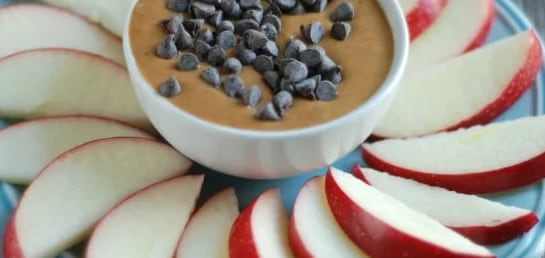
- Apple Donuts (Apple rings topped with nut butter, chia seeds, and coconut)
- No-Bake Energy Balls (Dates, rolled oats, and cocoa powder)
- Frozen Yogurt Bark (Greek yogurt swirled with mashed berries and nuts)
- Mini Banana Oat Muffins (Ripe bananas, oats, and eggs)
- Hidden Veggie Smoothie Popsicles (Spinach, mango, and coconut water blend)
- Fudgy Sweet Potato Brownies (Mashed sweet potato, almond butter, and cocoa)
Why Ditching the White Stuff Matters (Taste Still Rules)
Let’s be honest, sugar is everywhere. It hides in bread, pasta sauce, and even “healthy” yogurts. For a developing child, excessive refined sugar isn’t just bad for their teeth; it can wreak havoc on their mood, sleep patterns, and ability to focus. When a child consumes a high-sugar snack, their blood glucose skyrockets, giving them a false sense of energy, only to plummet shortly after, leaving them irritable, tired, and craving even more sugar. This cycle is exhausting for them and, quite frankly, exhausting for us as parents to manage.
However, simply knowing the health risks isn’t enough to make a child eat a kale chip. Taste is king in the world of childhood. If a Sugar-Free Snack tastes like cardboard, it is going to end up on the floor or fed to the dog. The challenge lies in finding the sweet spot—pun intended—where nutrition meets deliciousness. We need recipes that look appealing, smell great, and provide that satisfying texture, whether it’s creamy, crunchy, or chewy, that kids crave.
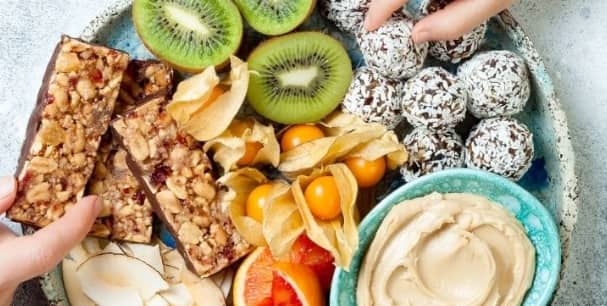
The goal here isn’t to demonize sugar or create food fear, but to crowd out the processed stuff with better options. By offering nutrient-dense alternatives that are naturally sweetened, we are stabilizing their energy levels and supporting their immune systems. Plus, when you make these snacks at home, you have total control over the ingredients. You are the architect of their health, and you can build it one delicious bite at a time.
The Secret Weapons: Fruit and Spices
When you take refined sugar out of the equation, you need to replace it with something that still signals “treat” to the brain. Nature provides the most incredible alternatives.
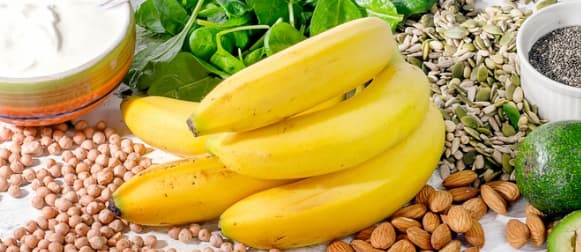
- Ripe bananas,
- dates,
- applesauce and
- maple syrup (in moderation) are powerhouses of flavor.
Unlike white sugar, these come packaged with fiber, vitamins, and minerals.
Spices are another underutilized tool in the kid-food arsenal. Cinnamon, vanilla extract, nutmeg, and cardamom can trick the palate into thinking something is sweeter than it actually is. Adding a dash of cinnamon to plain yogurt or oatmeal adds warmth and depth without a single grain of sugar. It’s about enhancing the natural flavors rather than masking them.

Fat and Protein: The Satiety Superstars
A true Sugar-Free Snack needs staying power. If you just give a child an apple, they might be hungry again in twenty minutes. The secret to a snack that keeps the “hangry” monster away is pairing that produce with healthy fats and proteins. Avocados, nut butters, seeds, and full-fat dairy are essential.
These ingredients slow down digestion, ensuring a steady release of energy rather than a spike. A slice of apple is good; a slice of apple with peanut butter is a meal. This combination stabilizes blood sugar and keeps their little bellies full until dinner, making your life significantly easier in the chaotic late-afternoon hours.
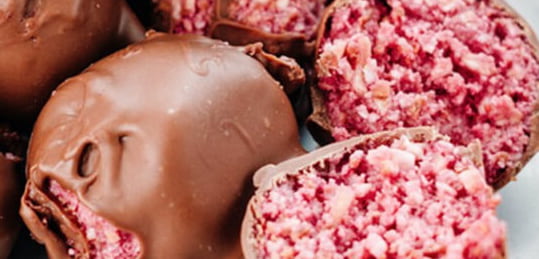
5-Minute Wonders: Quick No-Bake, Sugar-Free Ideas
We know that most parents don’t have hours to spend baking complicated treats every single day. Sometimes, you need a Sugar-Free Snack that can be assembled in the time it takes for your toddler to put on their shoes (which, admittedly, can be a while, but you get the point). The beauty of no-bake snacks is that they preserve the raw nutrients of the ingredients and usually require very little cleanup.
One absolute favorite in the SweetParent community is “Apple Donuts.” Simply core an apple and slice it horizontally into rings. Spread a layer of cream cheese or nut butter on top, and then let the kids decorate “their donut” with chia seeds, shredded coconut, or a few berries. It is interactive, crunchy, and looks just whimsical enough to pass as a dessert. Another winner is “Ants on a Log,” but with a twist. Instead of just raisins, try using blueberries or chopped apricots on celery sticks filled with tahini or almond butter.
For the frozen treat lovers, “Yogurt Bark” is a lifesaver. Spread full-fat Greek yogurt on a baking sheet lined with parchment paper. Swirl in some mashed raspberries for color and top with crushed pistachios or pumpkin seeds. Freeze it for an hour, break it into shards, and keep it in a freezer bag. It melts in the mouth like ice cream but is packed with probiotics and protein, making it the perfect cool-down snack for active kids.
Energy Balls: The Ultimate Grab-and-Go
Energy balls are the holy grail of meal prep. You can make a big batch on Sunday, and you are set for the week. A basic formula involves a sticky base (like dates or mashed banana), a dry binder (oats or almond flour), and add-ins (cocoa powder, seeds, coconut).
Blend dates and warm water until they form a paste, mix with rolled oats and a scoop of cocoa powder, roll into balls, and coat in desiccated coconut. These little spheres taste surprisingly like brownie bites but contain zero added sugar. They are perfect for lunchboxes or a quick car snack on the way to soccer practice.
Smoothie Popsicles
Kids love anything on a stick. It is a universal law of parenting. You can trick even the pickiest eater into consuming spinach if it is frozen into a colorful popsicle. Blend a ripe banana, a handful of spinach (they won’t taste it, promise), some mango, and coconut water.
Pour the mixture into molds and freeze. The natural sweetness of the mango and banana masks the greens completely. These “Hulk Popsicles” are refreshing, hydrating, and a brilliant way to get a serving of veggies into their system without a dinner table battle.
Oven-Baked Goodness: Warm and Cozy Treats
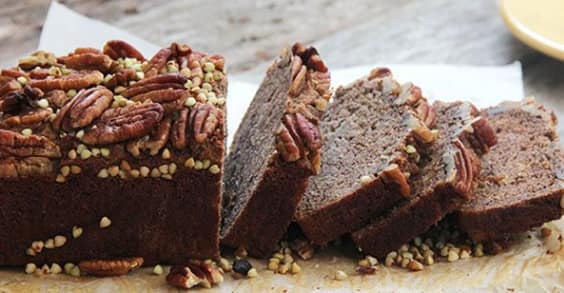
There is something deeply comforting about the smell of baking wafting through the house. Baking without sugar requires a little chemistry adjustment, but the results can be just as fluffy and satisfying as traditional goods. The key is using fruit purees like applesauce or mashed sweet potato to provide moisture and sweetness simultaneously.
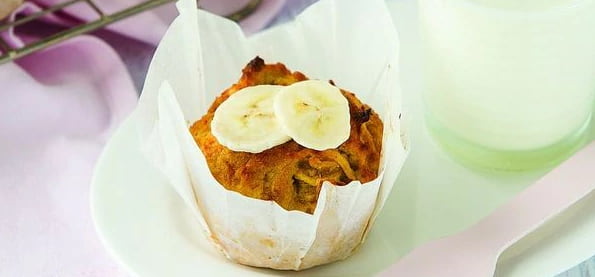
Try making “Mini Banana Oat Muffins.” Mash three very ripe bananas (the brown spots are where the sugar lives!), mix with two cups of oats, two eggs, a splash of milk, and a teaspoon of baking soda. You can add cinnamon or blueberries for extra flavor. These muffins are dense, moist, and naturally sweet. Because they lack preservatives and refined sugars, they are best kept in the fridge, but they rarely last long enough to spoil!
Another fantastic option is “Roasted Chickpeas.” If your child craves something crunchy and salty like chips, this is the answer. Drain a can of chickpeas, dry them thoroughly (this is crucial for the crunch), toss them in olive oil and mild paprika or cumin, and roast until golden. They are high in fiber and fun to eat one by one.
Sweet Potato Brownies
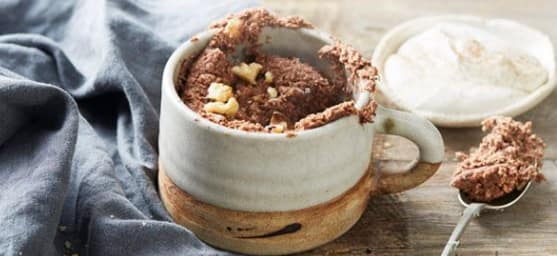
Yes, you read that right. Sweet potatoes are naturally sugary and have a creamy texture when baked and mashed, making them the perfect base for a fudgy brownie. Mix mashed sweet potato with almond butter, cocoa powder, and a little maple syrup (optional, but helps the texture).
Bake them in a square tin. They won’t rise like a cake, but they will set into a dense, chocolatey square that feels incredibly indulgent. It is a vegetable disguised as a dessert, and it is a Sugar-Free Snack victory every single time you serve it.
Making the Transition: How to Get Kids on Board
Changing dietary habits is a marathon, not a sprint. If your child is used to highly processed snacks, switching to a Sugar-Free Snack menu overnight might cause a rebellion. The best approach is a “stealth health” strategy combined with honesty. Start by swapping one snack a day. Maybe the after-dinner cookie becomes a date-energy ball. Celebrate the new flavors and avoid using language like “diet” or “bad food.” instead, focus on how the food makes them feel: “This smoothie makes you run fast like a cheetah!”
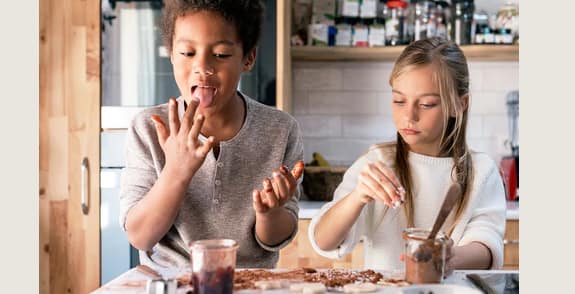
Involvement is the other piece of the puzzle. Kids are infinitely more likely to eat something they helped create. Let them push the button on the blender, let them roll the energy balls, or let them choose which fruit goes into the yogurt bark. When they have ownership over the process, the food becomes an achievement rather than just a meal. It turns the kitchen into a laboratory of fun rather than a battleground of wills.
Finally, model the behavior. If you are eating a candy bar while handing them a carrot stick, they will notice the discrepancy. Make these snacks for the whole family. Sit down and enjoy an apple donut with them. Show them that eating healthy isn’t a punishment for being a kid; it is a delicious way to fuel the whole family for your adventures together.
Nutritional Swaps: Rethinking Sweetness
| Traditional Sugary Snack | Sugar-Free Whole Food Alternative | Key Natural Ingredients | Primary Nutritional Benefit |
| Commercial Fruit Snacks | Homemade Chia Seed Jam | Mashed berries, chia seeds, lemon juice. | Delivers high omega-3 fatty acids and aids steady digestion. |
| Pre-Packaged Granola Bars | No-Bake Oat Energy Bites | Rolled oats, almond butter, soaked dates. | Provides sustained complex carbohydrates and muscle-building protein. |
| Flavored Yogurt Cups | Plain Yogurt Parfaits | Full-fat plain yogurt, Ceylon cinnamon, fresh fruit. | Promotes a healthy gut microbiome without the massive insulin spike. |
| Store-Bought Popsicles | Blended Watermelon Ice Pops | Pureed watermelon, a splash of coconut water. | Ensures deep cellular hydration and natural electrolyte replenishment. |
Frequently Asked Questions (FAQ)
How can I sweeten snacks naturally without using refined sugar?
You can naturally sweeten snacks by seamlessly integrating whole-food ingredients like mashed overripe bananas, pureed apples, or soaked dates, which provide robust flavor alongside vital dietary fiber. Unlike heavily refined white sugars or artificial syrups that cause rapid insulin spikes, these complex, plant-based alternatives release their natural fructose slowly into the bloodstream.
Are artificial sweeteners a safe alternative for my toddler’s snacks?
Pediatric dietitians strongly advise against using artificial sweeteners in a toddler’s diet, as these highly processed chemical compounds can severely disrupt the delicate balance of their developing gut microbiome. While zero-calorie sweeteners like sucralose or aspartame eliminate the immediate caloric intake of sugar, they fail to provide the essential macronutrients and physical energy a rapidly growing child fundamentally requires.
What are the best sugar-free snacks to pack for a school lunchbox?
The most effective sugar-free lunchbox snacks combine durable complex carbohydrates with high-quality proteins, such as homemade trail mix featuring roasted pumpkin seeds and unsweetened dried fruit, or savory roasted chickpeas. These specific macronutrient pairings are shelf-stable, easily withstand the physical jostling of a busy school day, and provide the sustained cognitive fuel required for deep academic focus.