Contents
Editor’s Note: Play is not a break from early learning, it is the primary neurological mechanism through which young children actively construct their understanding of the world, developing essential cognitive and emotional frameworks. Developmental psychologists universally agree that unstructured, child-led play is fundamental for building executive function and spatial awareness.
Rather than viewing play as a frivolous activity, parents must recognize it as the critical heavy-lifting of early childhood brain development, where abstract concepts are tested and solidified through physical interaction.
For parents, it is easy to feel the pressure of modern education standards, often leading us to believe that “real” learning involves flashcards, educational apps, and structured lessons. Yet, research consistently shows that unstructured, imaginative play is the most effective vehicle for early learning. When children play, they are firing up millions of neural connections, building the architecture of their brains in ways that rote memorization simply cannot achieve.
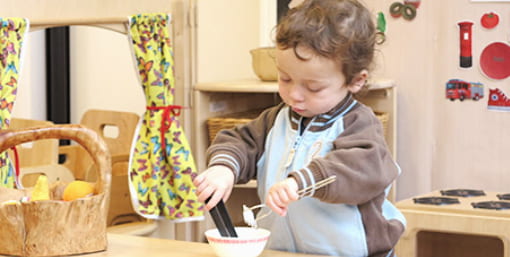
Today, we are going to debunk the myth that play is a break from early learning. Instead, we will explore how it is the very engine of development.
The Science Behind the Fun in Early Learning!
It might look chaotic when your toddler is dumping out a bin of toys, but biologically, their brain is lighting up like a Christmas tree. Neuroscientists have discovered that play stimulates the production of a protein called brain-derived neurotrophic factor (BDNF), which stimulates the growth of new neurons. This is crucial during the first few years of life when the brain is developing at its most rapid pace in especially baby milestones.
Every time a child engages in play, they are strengthening the synapses—the connections between brain cells—that form the basis for all future early learning and cognitive function.
Play is essentially a laboratory for a child’s mind. When they engage in pretend play, for example, they are practicing “counterfactual reasoning,” which is the ability to think about the world as it is not. This is a high-level cognitive skill that underpins creativity and problem-solving. They are constantly forming hypotheses (“If I drop this egg, what happens?”) and testing them (“It broke!”).
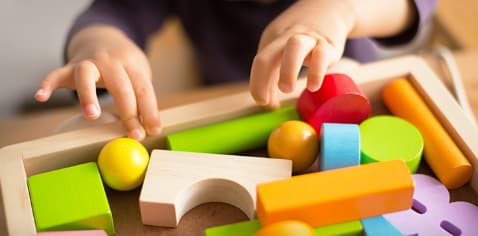
Furthermore, play reduces stress, which is a significant barrier to learning. When a child is playing, they are in a state of flow and joy. This positive emotional state opens the mind to absorbing new information. Conversely, stress and anxiety can shut down the brain’s ability to process and retain data. By prioritizing play, we are creating the optimal chemical environment in the brain for early learning to take root and flourish.
Cognitive Development and Problem Solving
Cognitive skills are the mental processes that allow us to process information, and play is the gym where these muscles are exercised. Consider a simple puzzle: a child must observe shapes, visualize where they fit, manipulate the pieces, and persist when they don’t fit immediately. This builds spatial awareness, logic, and concentration. Even simple games like “Peek-a-Boo” teach object permanence—the understanding that things continue to exist even when they cannot be seen—which is a massive cognitive milestone.
As children grow, their play becomes more complex, and so does their thinking. Building a fort requires planning, engineering, and troubleshooting. If the blanket roof sags, they must figure out why and fix it. These are the earliest lessons in physics and engineering. By allowing children to grapple with these small challenges without immediately intervening, we foster critical thinking and executive function skills that are essential for academic success later in life.
Emotional Intelligence and Social Skills
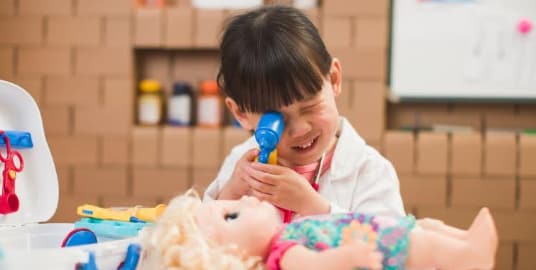
While cognitive skills are important, early learning is equally about developing emotional intelligence. Play is the primary way children learn to navigate the complex social world. Through cooperative play, they learn to negotiate (“You be the doctor, I’ll be the patient”), share resources, and take turns. They begin to understand that other people have different perspectives and feelings, which is the root of empathy.
Role-playing is particularly powerful for emotional regulation. When a child pretends to be a scary monster or a strict teacher, they are processing their fears and anxieties in a safe, controlled environment. They experiment with different emotions and reactions, learning what it feels like to be powerful, vulnerable, sad, or happy. This emotional rehearsal helps them manage their real-world feelings more effectively, leading to better behavior and social integration.
Milestones in Motion: Play Strategies by Age
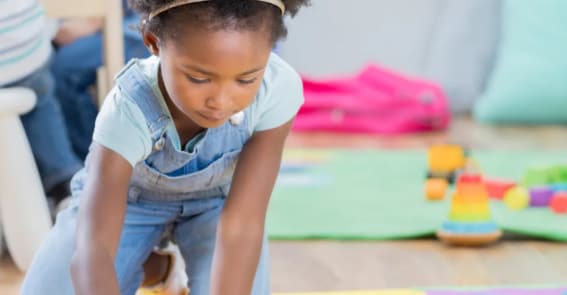
As your child grows, their style of play evolves alongside their physical and mental capabilities. Understanding these stages allows you to provide the right environment and materials to support their early learning journey. What fascinates a six-month-old will bore a three-year-old, so tailoring your approach is key. It is important to remember that these stages are fluid; children develop at their own unique pace, and play is the best way to meet them exactly where they are.
According to scientific researches and experiences, development happens rapidly in the first year, and play should mirror these milestones. For example, around 3-4 months, when babies begin to babble and mimic sounds, face-to-face vocal play is essential. By 9-10 months, as they begin to understand simple instructions, interactive games involving gestures become more meaningful.
Ultimately, the goal is to provide a rich diet of different play experiences. This includes solitary play, where they learn to entertain themselves; parallel play, where they play alongside others; and eventually, cooperative play. Each stage builds upon the last, creating a scaffold of skills. Below, we break down how to maximize early learning through play for different age groups.

Infants: Sensory Exploration in Early Learning
For babies, the world is a sensory wonderland. Play at this stage is all about exploration through touch, sight, sound, and taste. Tummy time is their first “workout,” helping them develop the neck and core strength needed to eventually crawl and explore further. High-contrast toys, rattles, and textured fabrics stimulate their developing vision and hearing.
The most important toy for an infant, however, is you. Games like “This Little Piggy” or simply making funny faces teach the rhythm of language and social bonding. When a baby drops a spoon and you pick it up, they are learning the basics of cause and effect. This repetitive, interactive play lays the groundwork for language development and secure attachment, which are vital for all future.
Toddlers (1-3 Years): The Age of Imagination
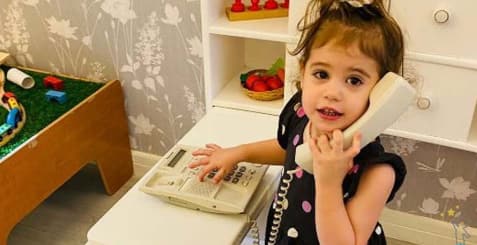
This is the era where “pretend play” begins to blossom. You might see your toddler talking into a banana like it’s a phone or feeding a doll. This symbolic thinking—understanding that one object can represent another—is a huge leap in abstract thought, which is the precursor to reading and math. They are also mastering their fine motor skills, so stacking blocks, scribbling with crayons, and pouring water are favorite activities.
Toddlers are also learning to assert their independence. Play offers a safe space for them to be in charge. Allow them to lead the play; if they decide the car flies, let it fly. This autonomy builds confidence. While they may still engage in “parallel play” (playing next to other kids rather than with them), they are observing and learning social norms, preparing them for future friendships.
Preschoolers (3-5 Years): Cooperative Play
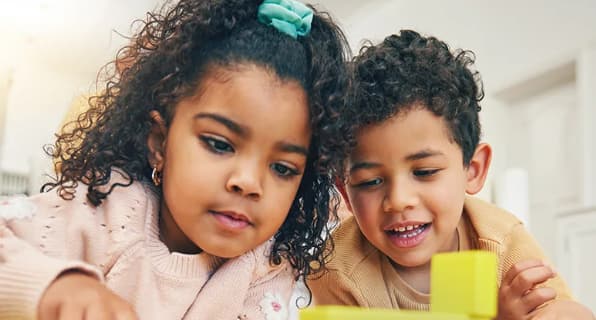
By the preschool years, play becomes more social and structured. Children begin to engage in cooperative play, working together towards a common goal, like building a castle or playing “house.” This requires complex communication skills, as they must agree on rules and roles. It is a crash course in diplomacy and teamwork.
This is also the time to introduce board games and games with rules. These teach patience, turn-taking, and how to handle winning and losing gracefully. Constructive play, using Lego or other building materials, becomes more intricate, enhancing their mathematical understanding of symmetry, balance, and geometry. At this stage, early learning is seamlessly integrated into every game they play.
Creating the Perfect Play Environment
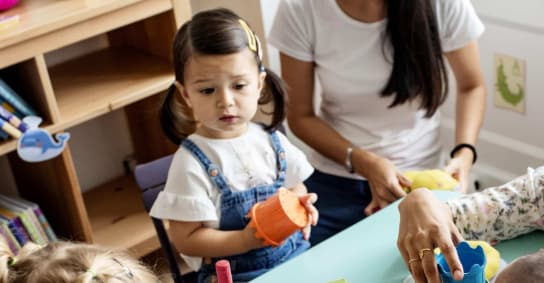
You do not need a playroom that looks like a magazine cover or expensive, battery-operated toys to foster curiosity for children. In fact, research suggests that having fewer toys can actually lead to higher quality play. When children are overwhelmed by too many choices, their attention spans suffer. A curated selection of “open-ended” toys—items that can be used in multiple ways—is far superior.
Open-ended materials include things like wooden blocks, playdough, dress-up clothes, and simple art supplies. A cardboard box can be a spaceship, a castle, or a cave, whereas a toy that only does one thing (like a robot that walks when you press a button) limits imagination. The best environment is one that is safe enough to allow for freedom but stimulating enough to spark curiosity.
The role of the positive parenting in this environment is that of a “facilitator” rather than a “director.” It is tempting to jump in and show a child the “right” way to do a puzzle, but stepping back is crucial. Observe what interests them and provide resources to extend that interest. If they are fascinated by bugs in the garden, provide a magnifying glass.
Your presence and attention are the safety net that allows them to take the risks necessary for learning.
The Great Outdoors
Never underestimate the power of outdoor play. Nature provides a sensory experience that no indoor toy can match. The uneven terrain challenges their balance, the changing weather teaches adaptability, and the endless supply of sticks, stones, and mud invites creativity. Outdoor play is also linked to better vision and physical health.
Encourage “risky play” within reason—climbing trees, jumping off logs, or balancing on rocks. This teaches children to assess risk and understand their own physical limits. It builds resilience and self-confidence. Nature is the ultimate open-ended toy, providing endless opportunities for discovery and scientific inquiry.
Balancing Screen Time
In the digital age, screens are inevitable, but they should not replace active play. While there are educational apps that claim to support early learning, they largely involve passive consumption. Passive screen time does not build the neural pathways that active, hands-on play does.
If you use screens, try to make it an interactive experience. Watch together and talk about what is happening. However, ensure that there are plenty of “screen-free” zones and times, allowing boredom to set in. Boredom is often the catalyst for the most creative, deep play.
Play Mechanics: A Developmental Framework
| Type of Play | Common Misconception | Proactive Natural Approach | Primary Developmental Benefit |
| Unstructured Free Play | It is just “killing time” before real learning happens. | Offering open-ended materials like blocks, silk scarves, or clay. | Enhances cognitive flexibility, autonomy, and creative problem-solving. |
| Physical / Motor Play | It encourages aggression and dangerous indoor behavior. | Allowing safe, supervised energetic movement and obstacle courses. | Develops spatial awareness, physical boundaries, and emotional regulation. |
| Sociodramatic Play | It is just silly make-believe with no real-world value. | Providing a dedicated box of simple, versatile dress-up items. | Fosters advanced empathy, perspective-taking, and complex narrative language skills. |
| Guided Sensory Play | It only creates unnecessary messes that are hard to clean. | Setting up water bins or kinetic sand in controlled, safe zones. | Builds fine motor skills, tactile processing, and vital neurological pathways. |
Frequently Asked Questions (FAQ)
How does independent play benefit my child’s brain development?
Independent play directly stimulates the prefrontal cortex, enhancing a child’s executive functioning by forcing them to actively plan, focus their attention, and regulate their own behavior without adult intervention. When a child engages in self-directed activities, they are not merely entertaining themselves; they are building complex neural pathways associated with logical reasoning and sustained concentration.
What is the difference between structured and unstructured play?
Structured play is an adult-led activity with specific rules and a predetermined outcome, whereas unstructured play is entirely child-led, open-ended, and driven by the child’s immediate curiosity and imagination. While structured activities, like a board game or a guided craft, are excellent for teaching the ability to follow directions and understand established boundaries, they do not offer the same cognitive freedom.
How can I encourage cooperative play with other children?
You can naturally encourage cooperative play by curating a shared environment with highly versatile, open-ended materials that require collaboration to use effectively, rather than forcing children to share single-use toys. Providing items like a large set of building blocks, a massive cardboard box, or a shared art canvas naturally invites joint effort and communication.