Contents
- 1 Why Nature Is the Best Playground for Families
- 2 Outdoor Adventures for Toddlers and Preschoolers
- 3 Outdoor Fun for School-Aged Kids
- 4 Outdoor Adventures Thrills for Tweens and Teens
- 5 Planning Your Outdoor Adventures: Tips for Parents
- 6 Adventure Blueprint: Nature-Based Skill Building
- 7 Frequently Asked Questions (FAQ)
Editor’s Note: Engaging in regular outdoor adventures for family is a fundamental requirement for a child’s sensory and cognitive development, effectively mitigating the negative impacts of prolonged screen time. By strategically integrating accessible nature escapes—such as micro-hiking, local geocaching, or unstructured forest play—families can foster deep emotional connections while naturally building a child’s spatial awareness and physical resilience.
This proactive approach shifts the focus from heavily scheduled, expensive vacations to sustainable, weekly habits that prioritize shared exploration and mental well-being in the great outdoors.
Environmental psychologists and pediatricians consistently highlight that unstructured time in nature significantly lowers cortisol levels and improves executive functioning in children. When navigating an uneven dirt trail or balancing on a fallen log, a child’s brain is actively calculating risk, enhancing their proprioception and gross motor skills in ways a flat, predictable playground simply cannot replicate.
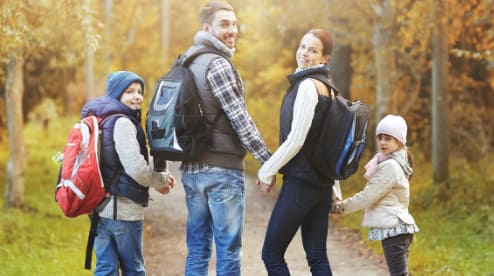
This guide will inspire families of every size and age to reconnect with the world—and with one another—through simple, meaningful outdoor experiences.
Here are 6 favorite outdoor activities:
- Hiking
- Camping
- Geocaching
- Kayaking
- Nature Scavenger Hunts
- Stargazing

Why Nature Is the Best Playground for Families
Step into nature, and something shifts. Stress melts away, conversations come easier, and children suddenly find 100 things to do without a single toy. Research consistently shows that spending time outside reduces anxiety for both adults and kids. Without the pressure of chores, schedules, or screens, families can truly connect.
Nature also strengthens the body in ways indoor play simply can’t. Walking over uneven ground challenges balance, coordination, and strength. Climbing over logs, splashing through streams, or jumping from rock to rock builds confidence and physical resilience. Kids who spend more time outdoors tend to be more active, more curious, and more willing to try new things.
Outdoor adventures’ time is also a powerful teacher. Children learn about ecosystems, wildlife, weather, and the changing seasons simply by observing the world around them. A tadpole swimming in a pond becomes a biology lesson. Watching clouds gather becomes a conversation about storms. These small moments spark big curiosity and help children see themselves as part of a larger world worth caring for.

Unplugging to Reconnect
Turning off screens doesn’t just free up attention—it transforms how families interact. When parents put the phone away, kids notice. They feel seen, heard, and prioritized. And when kids disconnect from screens, their imaginations return instantly. It will help you making positive parenting also.
A walk on a quiet trail or an afternoon in a local park creates space for real conversations—the kind that don’t happen between text messages or during dinner rush. Children open up more when pressure is low and movement is slow.
Teens, especially, often talk more easily side-by-side than face-to-face. These outdoor moments become the glue that strengthens family connection.
The Power of Resilience and “Trying Hard Things”
When we talk about outdoor adventures, it should be noted that nature is wonderfully unpredictable. Maybe the trail is muddier than expected, the wind picks up, or someone gets a mosquito bite. Yet these small challenges teach kids that discomfort isn’t the enemy—it’s part of the adventure. Completing a hike, climbing a rock, or helping build a campfire gives children a sense of accomplishment they remember for years.
Each of outdoor adventures challenge helps them build courage and emotional resilience. They learn patience, problem-solving, and the pride that comes from pushing through something difficult. It’s character development disguised as fun.
Outdoor Adventures for Toddlers and Preschoolers
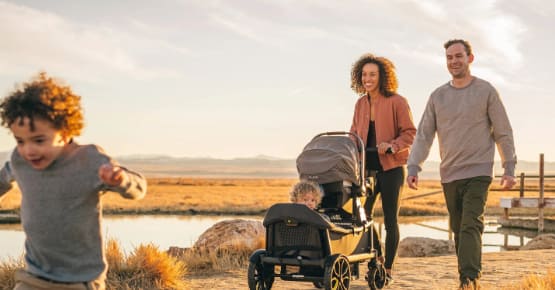
With toddlers, the goal isn’t distance—it’s discovery. For little ones, everything outside is magical: a crunchy leaf, a busy ant, a splashy puddle. Their world expands through touch, sound, and movement. Slow down to their pace, and the smallest patch of nature becomes a huge adventure.
Great options for this age:
- walks in botanical gardens or flat nature paths
- duck ponds
- trips to gardens or quiet playgrounds
- muddy play areas
Dress them in clothes that can get dirty, pack snacks, and embrace the chaos. Their joy comes from exploring freely, so give them room to experiment, poke, squish, and splash.
The Fun of a Nature Scavenger Hunt
One of the simplest ways to engage young kids outside is with a scavenger hunt. Instead of written words, draw simple pictures: a pinecone, a yellow leaf, a round stone. Toddlers love the thrill of searching and finding each item. It keeps them motivated, curious, and observant without feeling like a structured activity.
Sensory Walks and Mud Kitchens
A sensory walk allows toddlers to experience nature through every sense. Encourage them to feel soft moss, listen to birds, dip fingers into water, or walk barefoot on safe grass. These moments are rich for sensory and cognitive development.
A backyard mud kitchen is another guaranteed hit. With a few pots, spoons, water, and natural materials, children can create endless “recipes.” This unstructured, messy play builds creativity and helps them connect with the natural world.
Outdoor Fun for School-Aged Kids
Once children reach elementary age, their stamina and abilities expand dramatically. They’re ready for bigger challenges—like hiking longer trails, learning basic navigation, or spotting different plants and animals. This is the perfect age to begin teaching outdoor adventures’ skills and environmental respect.
Let them help plan the day. Kids love responsibility, so let them pick between trail options, lead the group for part of the hike, or carry a small backpack. Tools like binoculars, a magnifying glass, or a kid-friendly camera add excitement and purpose.
This is also the age to introduce the idea of “Leave No Trace“—simple rules that teach children how to respect natural spaces and protect the environment.

Hiking Hacks for Happier Kids
Want fewer complaints on the trail? Make it a game:
- Play “I Spy” or “20 Questions”
- Look for items that start with each letter of the alphabet
- Create a trail story where each person adds a sentence
- Save a special treat for the halfway point
Motivation + distraction = smoother hiking.
Backyard Camping: A Fun First Step
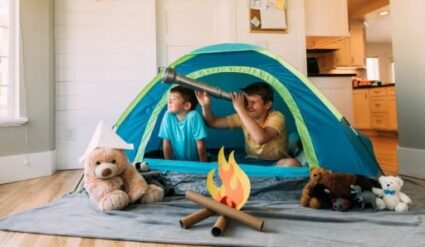
Before venturing into full-on wilderness camping, do a trial run at home. Pitch a tent in the yard, roast marshmallows, and stay out long enough to hear nighttime sounds. It gives kids the excitement of an adventure with the comfort of being close to home. If the weather turns bad or someone gets scared, you can always head inside—but the experience still feels magical.
Outdoor Adventures Thrills for Tweens and Teens
Convincing a teenager to join a family outing can feel like a diplomatic negotiation. The key? Choose activities that feel cool, challenging, or adventurous.
Teens crave independence, thrill, and purpose—so give them plenty of it.
Great options include:
- kayaking or paddleboarding
- mountain biking
- geocaching
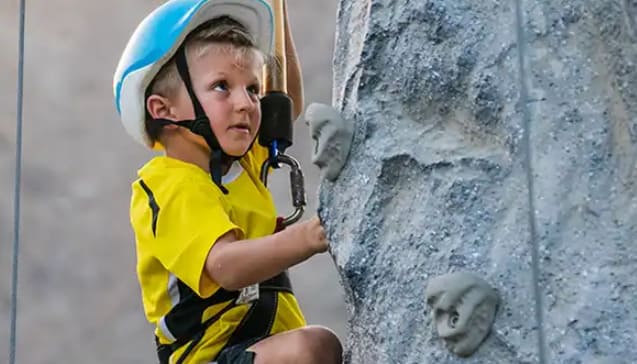
- easy rock climbing
- photography walks
- nature journaling
Let them bring a friend, or give them a role like trail navigator or trip photographer. When teens feel respected and included, they’re far more likely to participate—and enjoy it.
Geocaching: A Modern Treasure Hunt
This is one of the best outdoor activities for digital-savvy teens. Using a GPS app, you navigate to hidden “caches” left by other adventurers. Each find feels like a small victory and turns a simple walk into an exciting mission.
Kayaking and Water Adventures
Water activities offer just the right mix of challenge and serenity. Whether it’s paddleboarding on a calm lake or kayaking a slow-moving river, being on the water encourages teens to stay focused and present. It’s a refreshing way to help them disconnect from digital stress.

Planning Your Outdoor Adventures: Tips for Parents
A wonderful outing often depends on one thing: preparation. Before you go, check the weather, research trails, and pack more water than you think you’ll need. For younger kids, plan around naps. For teens, negotiate a later start. Always have a backup plan.
Set realistic expectations. Sometimes the best adventures don’t go according to plan—and those unexpected moments often become the funniest memories. A patient, flexible mindset makes everything smoother.
Packing Essentials for Every Trip
No matter where you go, bring:
- plenty of water
- snacks (fruit, nuts, granola bars)
- sunscreen and hats
- bug spray
- first-aid kit
- extra layers
- wipes
- a small trash bag
Prepared parents are stress-free parents.
Safety First: What Families Should Know
Before you head out, teach kids simple safety basics:
- what to do if they get separated
- why they shouldn’t eat wild plants
- how to recognize hazards like poison ivy or ticks
- the importance of staying on marked trails
Keeping everyone informed allows kids to explore confidently.
Adventure Blueprint: Nature-Based Skill Building
| Adventure Category | Accessibility Level | Primary Developmental Benefit | Minimal Gear Required |
| Micro-Hiking | High (All Ages) | Enhances gross motor skills and sensory processing. | Comfortable shoes, water bottles, child-led pacing. |
| Nature Scavenger Hunts | High (Toddlers+) | Builds observational skills and working memory. | A simple printed checklist or a magnifying glass. |
| Family Geocaching | Medium (School Age+) | Develops spatial navigation and teamwork. | A smartphone with a GPS/Geocaching app. |
| Wilderness Fort Building | Medium (School Age+) | Fosters engineering concepts and collaborative problem-solving. | Fallen branches, safe forest space, adult supervision. |
Frequently Asked Questions (FAQ)
What are the best outdoor adventures for families with toddlers?
Micro-hiking and nature scavenger hunts are the most effective outdoor adventures for toddlers because they prioritize sensory exploration over the actual distance covered. By focusing on finding specific leaf shapes, smooth rocks, or safely observing local insects, you align the activity with their natural developmental pace.
How can we enjoy outdoor family activities on a tight budget?
Utilizing local state parks, neighborhood green spaces, and community nature trails provides limitless, absolutely free opportunities for profound family bonding and physical activity. Expensive specialized gear is rarely necessary; simply repurposing everyday items—like using a magnifying glass from a desk drawer or packing a homemade picnic—transforms a basic walk into an engaging scientific expedition.
How do we keep older children and teenagers engaged in nature?
Introducing elements of safe risk-taking and technological integration, such as geocaching or basic wilderness survival skills, effectively captures a teenager’s natural need for autonomy and challenge. Allowing them to lead the navigation, read the trail map, or take charge of building a safe campfire fosters a vital sense of responsibility and leadership.