Contents
EDITOR’S Pick: Hosting the perfectfamily game night is fundamentally about creating a dedicated, screen-free sanctuary for emotional connection, rather than intensely focusing on who wins or loses the activity. Child psychologists and family therapists consistently emphasize that establishing a predictable weekly tradition of cooperative or light-hearted competitive play significantly lowers household cortisol levels.
By intentionally stepping away from digital distractions and engaging in face-to-face interaction, parents construct a highly secure environment where children feel genuinely valued.
This dedicated time naturally fosters vital interpersonal skills, teaching resilience during losses and graciousness in victory, while cementing a robust foundation of mutual trust and lasting familial joy.

From selecting the right games that won’t bore the adults or frustrate the little ones, to whipping up snacks that keep the energy high, we are going to walk you through exactly how to orchestrate a family game night that everyone will be begging to repeat next week.
Why Every Home Needs a Game Night Tradition
Establishing a regular family game night is one of the most effective, low-cost investments you can make in your family’s emotional bank account. When we sit down to play, we are teaching our children invaluable life skills without them even realizing they are in a classroom. They learn critical thinking, strategy, patience, and the fine art of negotiation. These are soft skills that screens simply cannot teach, packaged in a way that feels like pure joy rather than a lecture.
Beyond the educational benefits, the primary goal is connection. In the hustle of homework, chores, and extracurricular activities, we often coexist in the same house without truly interacting. A board game forces face-to-face engagement. You have to look at each other to read a bluff, you have to communicate to trade resources, and you have to laugh together when things go comically wrong. This shared focus creates a “magic circle” where the hierarchy of parent and child softens, allowing for a more relaxed and open relationship that strengthens your bond long after the game box is closed.
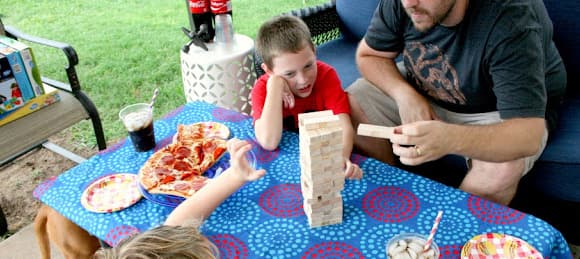
Finally, it creates a rhythm of reliability in a chaotic world. When your kids know that Friday night is sacred family game night, it gives them something to look forward to—an anchor in their week. This tradition becomes a core memory. Years from now, they likely won’t remember what grade they got on a specific math test, but they will remember the night Dad accidentally tipped over the Jenga tower with his nose or the time Mom staged a legendary comeback in Scrabble. These traditions build a strong family identity and a sense of belonging that is crucial for a child’s confidence.
Setting the Stage: Atmosphere and Timing
The first rule of planning is choosing a time when everyone’s batteries are charged. Attempting to start a strategy game at 8:00 PM on a Tuesday, when homework is looming and everyone is exhausted, is a recipe for disaster. The “Golden Hour” for most families is Friday or Saturday evening, or perhaps a Sunday afternoon.
Once the time is set, transform your environment to make it feel special. You don’t need party decorations, but shifting the vibe helps separate “game time” from “dinner time.” Maybe you spread a blanket on the living room floor for a picnic-style setup, or perhaps you light some cozy candles and put on a playlist of upbeat, instrumental background music. Turn off the TV, silence the phones (parents included!), and put them in a basket in another room. This physical removal of distractions is vital for the immersive experience of a family game night.

Comfort is the final piece of the puzzle. Hard wooden chairs can make a long game of Monopoly feel like an endurance test. Pile up cushions, bring out the fuzzy blankets, and encourage everyone to wear their most comfortable pajamas. If you are playing a long game, ensure there is enough table space for the board, the pieces, and the snacks without it feeling cluttered.
Choosing the Right Games for Your Crew
The most critical decision you will make is the game selection. The wrong game can leave a toddler crying or a teen rolling their eyes. For families with mixed ages, cooperative games are a lifesaver. In these games, everyone wins or loses together as a team, racing against the game mechanics rather than each other. This eliminates the rivalry that often leads to fights and allows older siblings to mentor younger ones without being bossy. It turns the dynamic from “I want to beat you” to “How can we solve this together?”
If you prefer competitive games, balance is key. You might play a quick, high-energy card game to start the night and get the giggles flowing, followed by a slightly longer board game. Keep an arsenal of different types: games of luck (like Candy Land) equalize the playing field for little ones, while games of strategy (like Catan or Ticket to Ride) engage the older brains.

Don’t be afraid to modify the rules of complex games to make them inclusive for younger players—perhaps they get an extra turn or can team up with an adult. The objective is fun, not strict adherence to the rulebook.
Fueling the Fun: The Best Game Night Snacks
Let’s be honest, the snacks are often the real MVP of any family game night. Hungry kids are grumpy kids, so having a steady stream of treats is essential for keeping morale high. However, you need to be strategic about your menu. Greasy chips or sticky wings are the natural enemies of game boards and cards. You want “low-mess” finger foods that can be popped into mouths between turns without leaving orange fingerprints on the dice. Think dry snacks like:
- popcorn,
- pretzels, or
- a trail mix with nuts and
- chocolate chips.
If you want to turn the evening into a full event, consider a “make-your-own” dinner theme that precedes the gaming. A DIY pizza station or a taco bar works wonders because it gets the kids involved in the preparation, extending the family activity time. You can even theme the food around the game you are playing. Playing a game about building a civilization? Build your own burgers.
Playing a mystery game? Serve “mystery” flavor jelly beans. These small touches show your kids that you put effort into their time together, making them feel valued and excited.

Sweet Treats and Hydration Station
For the sweet tooth, avoid anything that melts too quickly. Bowls of grapes, apple slices with peanut butter dip, or bite-sized cookies are perfect. You can create a “snack stadium” using a muffin tin, filling each cup with a different treat—gummy bears, crackers, berries, and cheese cubes. This variety keeps them grazing happily without a sugar crash. It adds a festive element to the table that feels much more special than just handing them a bag of chips.
Don’t forget the drinks! Spilled soda is the fastest way to ruin a board game forever. Use sippy cups for the little ones and bottles with secure lids for the older kids and adults. You can make a special “Game Night Punch” (just fruit juice and sparkling water) to make it feel like a party. Hydration keeps the brain sharp for all that strategizing, and using spill-proof cups ensures that your focus stays on the winning move, not on mopping up sticky messes from the carpet.
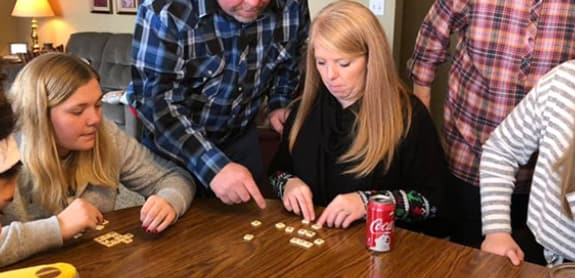
Even with the best planning, emotions can run high during family game night. Losing is hard, especially for younger children who are still developing emotional regulation. It is important to view these moments not as disruptions, but as teaching opportunities. Before the game starts, set the “Sportsmanship Rules.” Remind everyone that we congratulate the winner, we don’t gloat, and we never quit in the middle of a game just because we are losing. Modeling this behavior yourself is crucial—if you grumble about bad luck, your kids will too.
If a meltdown does occur, pause the game. Validate the feeling (“I know it is frustrating to lose your turn“) but hold the boundary (“But we cannot throw the dice”). Sometimes, taking a quick “wiggle break” or switching to a purely luck-based game can reset the mood. Remember, the goal isn’t to finish the game at all costs; it’s to have a positive experience. If a game is causing more stress than joy, it is perfectly okay to pack it up and switch to a dance party or a cooperative storytelling activity instead.
The “No Phone” Zone Rule
In our hyper-connected world, digital distraction is the biggest threat to family bonding. Make it a hard rule that family game night is a screen-free zone. This applies to parents too—no checking work emails or scrolling Instagram between turns. When your children see you disconnect from the virtual world to connect with them, it sends a powerful message about their importance. It teaches them that face-to-face interaction is valuable and deserves undivided attention.
If you need your phone for music or a timer, put it on “Do Not Disturb” mode and keep it out of reach. You might even create a “Phone Jail” box where everyone deposits their devices at the start of the night. You can make a game out of it: the first person to reach for their phone has to do the dishes or clean up the game pieces. By eliminating digital noise, you create a space where conversation flows naturally, and you might be surprised to learn new things about your kids’ lives just by chatting while you shuffle the deck.

Playful Progression: Family Game Night Dynamics
| Game Category | Recommended Age | Proactive Connection Strategy | Primary Cognitive Benefit |
| Cooperative Board Games | Ages 4+ | Working together against the board instead of each other. | Builds collaborative problem-solving and shared empathy. |
| Classic Card Games | Ages 6+ | Teaching strategic thinking while practicing active listening. | Enhances working memory and sequential logic. |
| Strategy & Resource Games | Ages 8+ | Encouraging long-term planning and graceful competition. | Develops advanced executive functioning and adaptability. |
| Active / Charades Games | All Ages | Using physical movement to break down communication barriers. | Promotes gross motor coordination and non-verbal expression |
Frequently Asked Questions (FAQ)
How do we prevent meltdowns when a child loses a game?
You can proactively prevent sore loser meltdowns by explicitly praising a child’s strategic effort and emotional resilience throughout the gameplay, rather than placing the entire value on the final victory. When parents consistently model gracious losing—by playfully acknowledging their own defeats and verbally expressing how much they simply enjoyed playing the game—children absorb this healthy perspective.
How do we choose a game that appeals to different age groups?
Choosing a game that engages multiple age groups simultaneously requires selecting activities that rely heavily on chance, physical action or creative interpretation, rather than strict, complex strategic planning. Games involving active charades, rapid pictionary-style drawing, or simple dice rolling naturally level the playing field, allowing a five-year-old to compete joyfully alongside a teenager without feeling intellectually overwhelmed.
How can we maintain enthusiasm for game night over time?
You can easily maintain long-term enthusiasm for family game night by allowing the children to rotate the responsibility of choosing the weekly activity, granting them a profound sense of ownership over the tradition. When a child is actively empowered to select the game, prepare the physical space, or even invent entirely new “house rules,” their intrinsic motivation to participate skyrockets.