Contents
Editor’s Choice: Engaging in easy DIY crafts for kids and parents is fundamentally about cultivating a shared, stress-free space for emotional connection, rather than achieving artistic perfection. By shifting the focus from the final product to the collaborative process, families can naturally enhance a child’s fine motor skills, bilateral coordination, and creative problem-solving abilities. T
his hands-on approach uses tactile experiences to bridge communication gaps, allowing children to express complex emotions and ideas that they might not yet have the vocabulary to articulate verbally.
Child development experts and occupational therapists consistently highlight that unstructured, cooperative art projects significantly lower cortisol levels in both the parent and the child. When you sit down together to transform everyday household items—like upcycling cardboard boxes or painting with natural materials—you are actively demonstrating that their ideas hold immense value.
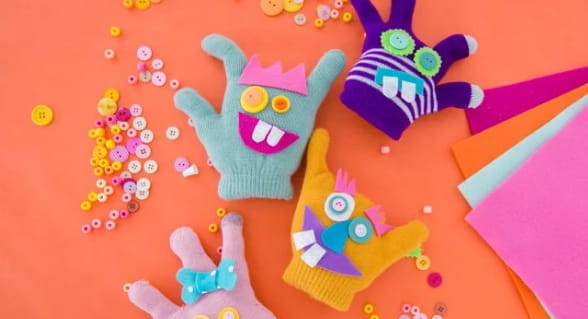
Here are the 8 most important DIY crafts for kids and parents:
- Homemade Playdough (Sensory play with flour, salt, and water)
- Contact Paper Art (Sticky wall collages for toddlers)
- Pasta Threading (Fine motor skill activity with noodles and string)
- Nature Collages (Using leaves, twigs, and flowers found outside)
- Rock Painting (Decorating stones as bugs or kindness rocks)
- Handprint & Footprint Art (Creating keepsakes with paint)
- Friendship Bracelets (Braiding or knotting for older kids)
- Cardboard Engineering (Building structures using recycled boxes)

Why Creative Play is the Secret Sauce of Parenting
We often categorize arts and crafts as simple “time-fillers” or rainy-day distractions, but they are actually powerful developmental tools disguised as fun at the subject of DIY crafts. When children manipulate materials—whether it’s squeezing playdough, cutting paper, or peeling stickers—they are engaging in a serious workout for their fine motor skills. These small movements strengthen the tiny muscles in their hands and fingers, laying the essential groundwork for future tasks like writing, buttoning shirts, and tying shoelaces.
Beyond the physical benefits, crafting is a unique emotional outlet. Children, especially younger ones, often lack the vocabulary to express their complex feelings. Art gives them a voice. They can express anger through vigorous scribbling with red crayons or joy through bright, chaotic collages. For parents, joining in this activity offers a rare chance for “parallel play.” It levels the playing field; you aren’t the boss giving orders, you are a fellow creator. This shift in dynamic fosters a sense of partnership and mutual respect that strengthens your bond.
More Than Just Glue and Glitter
Creative activities are also fantastic for cognitive development because they require planning and problem-solving. When a child decides to build a robot out of a cardboard box, they have to visualize the end result, figure out which materials to use, and determine how to attach the parts. This creates a natural environment for critical thinking.
Furthermore, these projects often introduce “stealth learning.” You aren’t sitting down to teach a math lesson, but when you measure yarn for a bracelet or count out beads for a necklace, you are exploring patterns and numbers in these kind of DIY crafts. When you mix blue and yellow paint to make green, you are doing science. These organic learning moments stick with children far longer than flashcards ever could.
Building an Emotional Safety Net
One of the most beautiful aspects of creating art together is the “low stakes” environment it provides. In school or sports, there is often a right or wrong way to do things. In crafting, a purple sky or a six-legged dog is perfectly acceptable. This freedom allows children to take risks and build resilience. If the glue doesn’t stick or the tower falls over, it’s an opportunity to problem-solve rather than give up.
Additionally, keeping your hands busy often loosens the tongue. You might notice that your child opens up more about their day, their worries, or their dreams while they are focused on a drawing. The lack of direct eye contact reduces pressure, making the craft table a safe harbor for important conversations and emotional connection.
Setting Up Your Home Art Studio (Without Stress)
A major barrier for many parents is the fear of the mess and the hassle of setting up. The image of paint on the carpet or glitter permanently embedded in the dog’s fur can be terrifying. However, integrating creativity into your life doesn’t require a dedicated studio or professional-grade equipment. It starts with redefining your space and being prepared. A simple plastic tablecloth, an old shower curtain, or a flattened cardboard box can transform any surface into a worry-free zone.
Organization in DIY crafts is your best friend here. Instead of having supplies scattered in random drawers throughout the house, create a “Creativity Box” or a rolling cart. This should be easily accessible so that when inspiration strikes (or boredom sets in), you can pull it out in seconds. Having a designated spot for everything also teaches children responsibility; part of the activity is setting up and cleaning up together. It turns the chore of tidying into part of the ritual, rather than a punishment for having fun.
Finally, adjust your expectations regarding the mess. If you are stressed about every drop of glue, your child will sense it and shut down. Dress everyone in old clothes or oversized t-shirts, keep a damp cloth nearby for quick wipes, and try to embrace the chaos.
The “Trash to Treasure” Supply List
You do not need to spend a fortune at the craft store to get started. In fact, some of the best supplies are likely already in your recycling bin. Start with the basics: washable markers, crayons, child-safe scissors, and glue sticks. Add in construction paper, tape, and perhaps some watercolor paints. These foundational items can birth a thousand different projects.
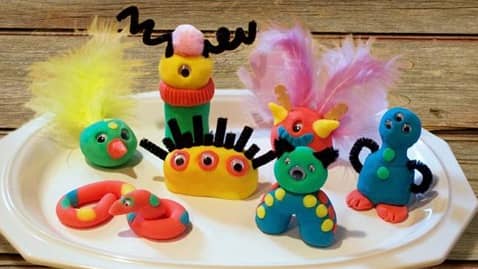
Supplement your kit with “upcycled” treasures. Save toilet paper rolls, egg cartons, cereal boxes, and glass jars. Keep a bag of “loose parts” like buttons, bottle caps, bits of ribbon, and fabric scraps. These open-ended materials challenge children to use their imagination more than a pre-packaged kit ever could. A box isn’t just a box; it’s a castle, a car, or a robot waiting to be born.
Overcoming the Perfection Trap
Many parents shy away from leading these activities because they feel they lack artistic talent. Let’s bust this myth right now: you do not need to be an artist to facilitate art. Your role is not to teach advanced techniques but to provide the opportunity and encouragement. In fact, your “bad” drawing of a cat can be a source of great humor and connection.
Focus on “process art,” which values the act of making rather than the final result. If you are really stuck, print out some coloring pages or buy a simple kit to do together. The goal is participation, not perfection. When you show your child that you are willing to try something new and make mistakes, you are modeling confidence and a growth mindset.
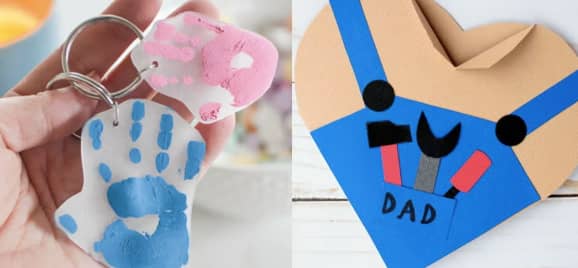
Ideas for Little Makers (Toddlers&Preschoolers)
If we are talking about easy DIY crafts, for the youngest members of the family, the goal is sensory exploration and simple cause-and-effect. Toddlers are not interested in making a replica of a flower; they are interested in how the paint feels on their fingers and how the paper crinkles. Keep projects short, sweet, and highly supervised. This age group loves anything that involves texture and bright colors.
One classic hit is “contact paper art.” Tape a piece of clear contact paper (sticky side out) to a window or wall. Give your toddler bits of tissue paper, feathers, or cut-up straws to stick onto it. It is mess-free, visually stimulating, and great for fine motor skills. Another favorite is pasta threading. Use large rigatoni noodles and a thick shoelace or pipe cleaner. They can paint the pasta first or just enjoy the challenge of threading.
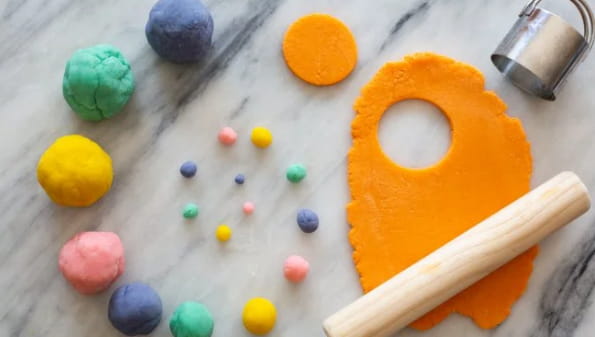
Don’t underestimate the power of homemade playdough. Mixing flour, salt, water, and food coloring is a craft in itself. Once it is made, the play possibilities are endless. Add scents like vanilla or peppermint for an extra sensory dimension. It is safe, non-toxic, and infinitely reusable, providing hours of entertainment for a very low cost.
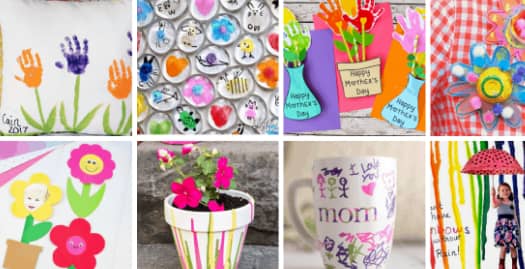
Next-Level DIY Craft Projects for School-Aged Kids
As children grow, their attention spans lengthen, and their desire for “functional” art increases. School-aged kids want to make things they can use, wear, or display in their rooms. They are ready for more complex tools like low-temperature glue guns (with supervision), sewing needles, and detailed painting. This is the time to introduce projects that require multiple steps and patience.
Friendship bracelets are a rite of passage. Whether using simple braiding techniques or complex knotting patterns with embroidery floss, this craft teaches patterns and dexterity. It also has a lovely social component, as they can make them for their best friends. Another hit is making “slime” or “potions.” While messy, the chemistry behind mixing activator and glue is fascinating to this age group.
Consider projects that allow them to personalize their space. Creating a custom garland for their bed frame, painting a canvas for their wall, or decorating a pencil holder gives them a sense of ownership and pride in their environment. It validates their developing personality and taste.
Cardboard Engineering
This is where the recycling bin really shines about especially DIY crafts subject. Challenge your school-aged child to build a structure using only cardboard and tape. It could be a garage for their toy cars, a dollhouse, or a marble run. This moves beyond decoration into structural engineering.
They will have to figure out how to make supports, how to create ramps, and how to make things stand up. It is a fantastic way to develop spatial reasoning. You can provide the cutting power for the thick cardboard, but let them be the architects and lead engineers of the project.
Customizing Their World
If your child loves stories, combine literacy with art by making homemade books for your DIY craft. Fold several sheets of paper in half and staple them down the middle to create a spine. Let them write a story and illustrate it.
For a fun twist, try making a “zine” (a mini-magazine) about a topic they love, like dinosaurs or video games. They can cut out pictures from old magazines to make collages or draw their own comics. This values their voice and interests, turning them into published authors in their own living room.

Crafting Connections: A Developmental Framework
| Craft Category | Everyday Materials | Proactive Connection Strategy | Primary Developmental Benefit |
| Upcycled Construction | Shipping boxes, tape, safe scissors. | Collaborative problem solving and architectural planning. | Enhances spatial awareness and heavy-work sensory input. |
| Sensory Nature Art | Leaves, twigs, non-toxic glue, paper. | Collecting items together during a mindful outdoor walk. | Develops tactile processing and visual-spatial organization. |
| Process Painting | Washable paints, sponges, cotton swabs. | Focusing entirely on color mixing rather than specific shapes. | Promotes emotional regulation and fine motor precision. |
| Dough Sculpting | Flour, salt, water, natural food coloring. | Measuring and mixing the raw ingredients as a cohesive team. | Builds bilateral coordination and early mathematical concepts. |
Frequently Asked Questions (FAQ)
How do I handle the mess during DIY craft time without getting stressed?
You can effectively handle craft-related messes by proactively designing a designated “yes space” with drop cloths and washable materials, entirely separating the creative process from your anxiety about cleanliness. By laying down a large, inexpensive shower curtain or taking the activity outside, you physically contain the chaos, allowing your nervous system to remain calm.
What if my child gets easily frustrated when their craft doesn’t look perfect?
When a child becomes frustrated by perceived artistic failure, immediately validate their disappointment and gently redirect their focus to the effort and technique they applied, rather than the visual outcome. Perfectionism in young children often stems from internalizing adult standards or seeking specific praise for the final product.
Are expensive craft kits necessary for meaningful artistic development?
Expensive, pre-packaged DIY craft kits are absolutely not necessary for meaningful artistic development; in fact, utilizing open-ended, recycled household materials actually provides vastly superior cognitive and creative benefits. Kits that dictate a single, specific outcome heavily restrict a child’s divergent thinking and problem-solving abilities, essentially turning art into a rigid set of instructions to follow.