Contents
Editor’s Note: The fundamental difference between choking vs. gagging lies in sound and airflow; gagging is a loud, natural reflex, while choking is a silent, life-threatening blockage requiring immediate intervention. Every new parent panics when their little one makes a weird noise while exploring solid foods. It is completely normal to feel terrified, but understanding this vital distinction transforms mealtime from a stressful ordeal into a joyful milestone.
When you start baby-led weaning, your child’s body goes through a massive learning curve. Their tiny mouths are figuring out how to manage textures and swallow safely. By familiarizing yourself with these biological responses, you step away from overwhelming anxiety. Instead of hovering with dread, you can sit back, relax, and confidently watch your baby develop essential motor skills.
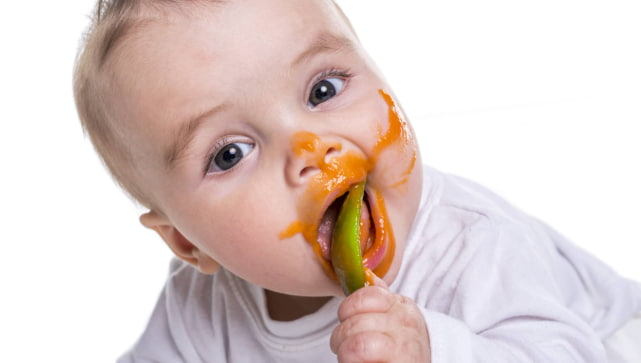
The Biological Defense: Understanding the Gag Reflex
The gag reflex is an innate, highly sensitive safety mechanism designed to push food forward, preventing large pieces from slipping into the respiratory tract. When a baby gags, they are actively protecting themselves. According to pediatric experts, a baby’s gag trigger is located further forward on the tongue compared to adults. Thus, even a perfectly safe piece of avocado can trigger a dramatic cough.
You will usually hear loud coughing, sputtering, and see a red face when your baby deals with a tricky texture. This looks alarming but is a sign that oxygen is flowing perfectly. This physiological response is crucial for their oral development. They are mapping out the boundaries of their mouth, learning exactly how far back food particles can safely travel.
Stepping in too quickly when your child gags can disrupt their learning process and cause unnecessary panic. If you gasp or sweep their mouth with your finger, you risk pushing the food further back, creating an actual airway obstruction.
Stay calm, offer verbal encouragement, and let their little bodies do exactly what nature designed them to do during infant feeding.

Why Babies Gag During Baby-Led Weaning
Babies gag frequently during baby-led weaning (BLW) because they are transitioning to complex solids, forcing their oral muscles to coordinate chewing and swallowing. This transition requires immense muscular effort. The American Academy of Pediatrics (AAP) notes that exploring textures builds essential jaw strength. Gagging is simply the loud byproduct of this workout, proving their protective reflexes are functioning perfectly.
Think of gagging as your baby’s internal alarm system calibrating itself. Every time they handle a steamed carrot, their brain processes sensory feedback. Over consistent practice, the gag trigger naturally moves further back toward the throat. Allowing them to practice with safely prepared finger foods accelerates this desensitization, leading to a much smoother, happier, and highly confident eating experience.

The Silent Danger: Recognizing True Choking Signs
Unlike gagging, true choking happens when a foreign object completely blocks the airway, resulting in absolute silence, an inability to cough, and skin turning blue. This is a severe medical emergency. The National Safety Council reports that choking is a leading cause of injury among young children under four, highlighting the absolute critical need for immediate parental awareness and rapid intervention.
The scariest part about a real blockage is the total lack of noise. While a gagging baby is loud, a choking baby looks terrified and completely mute. Because no oxygen reaches their lungs, their lips and face will quickly lose their pink hue, turning dangerously bluish. This is the exact moment where passive observation must instantly become emergency intervention.
Understanding this silent threat allows you to prepare your environment proactively. Avoiding high-risk items like whole grapes, hot dogs, and popcorn drastically reduces statistical risks. Experts recommend cutting spherical foods into quarters to bypass a child’s windpipe shape.
By strictly adhering to these food safety guidelines, you create a secure dining atmosphere where your baby can explore safely.
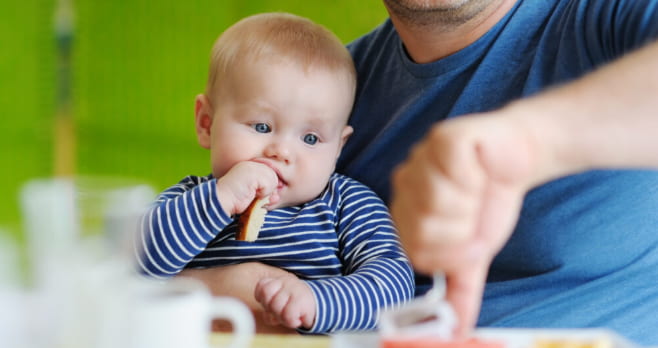
Immediate Actions to Take When a Baby is Choking
If you confirm your baby is choking, you must immediately perform back blows and chest thrusts rather than a blind finger sweep, which can wedge the object deeper. The American Red Cross strictly advises against putting fingers in the mouth blindly. For an infant, you must support their jaw, turn them face down along your forearm, and act swiftly.
Deliver five firm back blows between the shoulder blades using the heel of your hand. If the blockage remains, flip the baby over and administer five rapid chest thrusts using two fingers on the breastbone. Alternate these two techniques continuously while someone calls local emergency medical services (EMS). Having this actionable protocol memorized is your best insurance policy.
Comparing the Symptoms: Definitive Guide for Parents
Memorizing a side-by-side comparison of choking vs. gagging symptoms empowers parents to make split-second, accurate decisions, effectively distinguishing between a learning moment and a crisis. When you are in the middle of dinner, your brain needs a simple framework. We have organized the physiological differences into an easy-to-read format.
This contrast helps solidify your situational awareness and boosts confidence.
Using structured data is the absolute easiest way to internalize these critical differences quickly. Below is a comprehensive breakdown of what to look for, listen for, and how to react appropriately during mealtime. Keep this safety checklist mentally handy whenever you serve a new meal to your growing baby.
| Feature | The Gag Reflex (Natural) | True Choking (Emergency) |
| Sound | Loud coughing, sputtering, crying | Complete silence, unable to cry |
| Color | Face turns red or dark pink | Lips/face turn pale or blue |
| Action | Pushing food forward, spitting | Clutching throat, panicked look |
| Response | Observe, encourage, stay calm | Immediate back blows/CPR |
By internalizing this table, you shift your parenting paradigm from fear-based to knowledge-based. You will no longer freeze every time a piece of food goes down wrong. Instead, you will quickly assess the sound, realize it is just a robust biological reflex, and calmly continue.
This emotional regulation teaches your baby that eating is a safe, highly enjoyable activity.
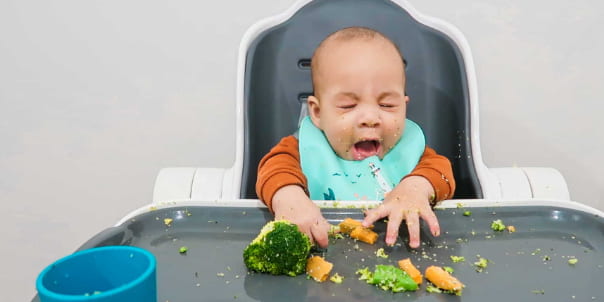
Frequently Asked Questions (FAQ)
Addressing the most common parental anxieties regarding choking vs. gagging clarifies misconceptions and provides actionable insights for safer mealtime routines. We constantly receive questions from our community. Here are direct answers to your heavily searched queries:
How long does gagging last?
It peaks around 6-8 months and decreases as oral motor skills improve.
Should I stop feeding?
No, let them process it naturally.
These quick answers keep you grounded in facts rather than fears. Outdated advice suggests avoiding textures entirely, but modern pediatric nutrition science proves exposure is the cure.
By continuing to offer appropriately sized foods, you are actively helping your child build the muscular coordination required to bypass the gagging phase and become a highly proficient, completely independent, and adventurous eater.

Creating a Safe Feeding Environment from Day One
Establishing a secure, distraction-free environment with proper seating posture is just as critical as preparing the food correctly to prevent a choking hazard. A baby should always be seated fully upright at a 90-degree angle with a solid footrest. The Centers for Disease Control and Prevention (CDC) emphasizes that proper positioning drastically reduces airway risks and improves core stability.
Furthermore, the atmosphere of the room plays a massive role in swallowing coordination. Eating on the go or while crawling around are incredibly dangerous habits. Meals should happen exclusively at the table, completely free from the distractions of glowing screens. When a baby focuses on a cartoon instead of their food, their natural reflexes are severely delayed and compromised.
Lastly, an adult must be present and actively observing one hundred percent of the time. You do not need to hover anxiously, but you must be visually connected. This proactive supervision strategy ensures that if a silent blockage does occur, you intervene instantly.

Empowering Your Journey with CPR Knowledge
Taking a certified infant CPR course is the single most empowering step a parent can take to transform mealtime anxiety into unshakable confidence. Reading articles is a fantastic starting point, but nothing replaces the muscle memory gained from practice. Organizations like the American Heart Association offer hands-on workshops specifically tailored for parents dealing with the transition to solid foods.
Knowing exactly how much force to apply during back blows can only be understood through physical practice. When you possess this concrete first aid skill, the fear of starting solids dissipates. You transition from worrying about “what if” to a state of calm readiness.
This education ensures you can protect your child’s life confidently while they explore the wonderful world of gastronomy.
Let’s Raise Confident Eaters Together
Navigating the messy, sometimes terrifying transition to solid foods is a universal rite of passage. By deeply understanding the mechanics of choking vs. gagging, you have armed yourself with the most powerful tool: knowledge. You now know that loud sounds are a protective symphony, and silence is the true red flag. This perspective allows you to genuinely enjoy these milestones.
Do not let fear steal the joy from your family dinner table. Continue to offer a vibrant variety of safe textures, trust your baby’s incredible biological reflexes, and keep your CPR knowledge sharp. Share this guide with other parents struggling with mealtime anxiety.