Contents
Editor’s Note: Navigating a balanced diet for picky eaters is fundamentally about reducing mealtime pressure and fostering a positive, lifelong relationship with wholesome foods. Pediatric nutritionists emphasize that forced bites or rigid food rules often trigger severe anxiety, making a child even more resistant to trying new ingredients.
By shifting the focus from strict nutritional compliance to joyful, sensory-rich food exploration, parents can easily neutralize typical dinner table power struggles.
Embracing this low-stress approach involves consistently presenting unfamiliar vegetables alongside highly preferred, safe foods in a completely neutral manner. When children are granted the autonomy to interact with new textures at their own comfortable pace—without the pressure to immediately swallow—their natural curiosity slowly overrides their inherent hesitation.

Today, we are moving past the stress and into the solutions. We’ll explore the psychology behind why kids reject certain textures, how to “stealth-health” essential vitamins into their favorite meals, and the 8 golden rules that will help you transition from a short-order cook to a confident positive parent.
Here are the 8 Golden Rules for managing picky eaters, as outlined in our guide:
- The “One-Bite” Rule for Picky Eaters
- Stealth Health (Pureeing & Grating)
- Involvement (Head Chef Strategy)
- Division of Responsibility
- The Dip & Dunk Method
- Micro-Sized Portions
- Gamification (The Color Challenge)
- Role Modeling (The Mirror Effect)

Understanding the Picky Eater: Why “Green Phobia” Exists
The first step in helping picky eaters is understanding that their refusal often isn’t about being “difficult.” Many children are born with a heightened sense of taste, making bitter vegetables like Brussels sprouts taste incredibly intense to them. This is often referred to as being a “supertaster.” Additionally, “neophobia“—the fear of new things—is an evolutionary survival mechanism. Thousands of years ago, a child’s caution toward a new berry or leaf might have saved their life.
Texture also plays a massive role in why children reject food. Some kids struggle with “mushy” things, while others can’t stand anything “crunchy” mixed with “soft.” If your child gags at the sight of mashed potatoes but loves French fries, they aren’t being picky; they are reacting to a sensory experience. In 2026, pediatric nutritionists are increasingly focusing on “Sensory Food Play” to help bridge this gap.
By letting children touch, smell, and even play with their food without the pressure to swallow it, we desensitize their fight-or-flight response, making them much more likely to take a voluntary nibble later on.
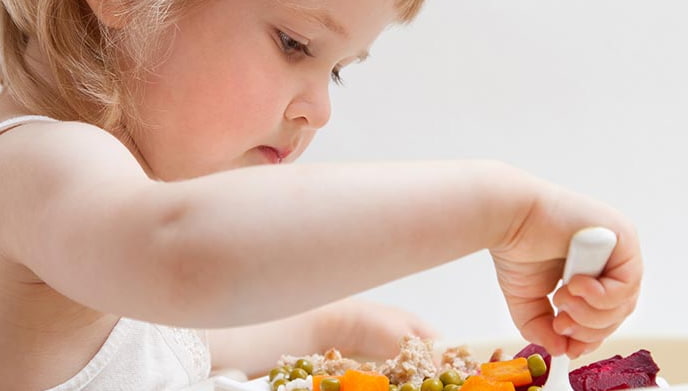
It’s vital to recognize that a balanced diet for children isn’t about a single perfect meal; it’s about the total intake over a week. If they only eat beige food on Tuesday but devour a bowl of berries on Friday, you are winning! The goal is to reduce the “fight” so that the child’s natural curiosity can eventually take over. When we lower the stakes, we open the door for them to try things on their own terms.
Let’s look at the practical, day-to-day strategies that turn these insights into action at your kitchen table.
8 Practical Tips for a Balanced Diet for Picky Eaters
The “One-Bite” Rule (No Pressure!)
The “One-Bite Rule” is a classic for a reason, but the key is in the execution. Tell your child they don’t have to eat the whole portion, but they do have to try one “scientist bite” to see what it tastes like. If they don’t like it, they can politely spit it into a napkin. This removes the fear of being “stuck” with a plate of food they hate.
Over time, this repeated exposure—sometimes it takes 15 to 20 tries!—actually changes their taste buds. In 2026, we call this “flavor bridging.” By taking one tiny bite of something new alongside something they already love (like a tiny piece of chicken with their favorite dip), you make the new food feel familiar and safe.

Become a “Stealth Health” Expert
While we want kids to eventually choose broccoli because they like it, there is no shame in “sneaking” nutrients in the meantime. Pureeing cauliflower into mac and cheese, adding finely grated zucchini to muffin batter, or blending spinach into a “Hulk Smoothie” with bananas and pineapples are great ways to bridge the nutritional gap.
This strategy ensures they are getting the vitamins and minerals their growing bodies need while you work on the behavioral side of picky eating. It reduces your stress as a parent because you know that even if they only ate the “muffin” they actually got a serving of vegetables. Think of it as a nutritional insurance policy!
Let Them Be the “Head Chef”
Children are much more likely to eat something they helped create. Let your child choose between two healthy options at the grocery store—for example, “Should we have red peppers or green peppers tonight?” Giving them a choice provides that sense of control they crave.
In the kitchen, give them age-appropriate tasks like washing the lettuce, stirring the batter, or “painting” olive oil onto roasted carrots. When a child invests time into a meal, they develop a sense of pride in the “product.” At sweetparent.com, we’ve seen that the “chef’s tax” (tasting the ingredients while cooking) is often the only time some picky eaters will actually try a raw vegetable!

Use the “Division of Responsibility”
Developed by Ellyn Satter, this is a game-changer for stressed parents. Your job is to decide what is served, when it is served, and where. Your child’s job is to decide whether to eat it and how much. This clear boundary stops you from hovering or begging, which only creates more power struggles.
When you put the plate down and say, “This is what’s for dinner; you don’t have to eat it if you aren’t hungry,” you take away their “ammunition.” If they choose not to eat, don’t rush to make a separate meal. They will learn that the kitchen isn’t a 24-hour café, and they’ll likely be hungrier and more adventurous by breakfast.
Dip It, Dunk It, Dress It for Picky Eaters
Sometimes, a “gatekeeper” food is all it takes to make a new vegetable acceptable. If your child loves ranch dressing, hummus, or even ketchup, let them dip their veggies in it. If a bit of cheese sauce gets them to eat an entire bowl of cauliflower, consider it a win for the team!
Dips change the flavor profile and make the experience more interactive and “fun.” In the world of picky eaters, a little bit of dip can be the bridge that leads to a lifelong love of salads and stir-fries. Don’t worry about the extra calories in the dip; the goal right now is to build a positive association with the vegetable itself.

Keep Portions “Micro-Sized”
A giant pile of green beans can be visually terrifying to a child. Instead, try serving “micro-portions“—just one or two beans or a single slice of carrot. Large portions can make a child feel defeated before they even start. Small portions feel manageable and “easy” to finish.
When the plate looks less intimidating, the child is more likely to engage with the food. You can always give them “seconds” if they finish their micro-portion. This “less is more” approach helps build a sense of achievement, which is a powerful motivator for a child who usually feels anxious at the dinner table.
Make It a “Color Challenge”
Turn a balanced diet into a game. Create a chart on the fridge where they get a sticker for every “color of the rainbow” they eat during the week. “We’ve had red (strawberries) and yellow (corn), what can we find that’s purple?” This shifts the focus from “eating vegetables” to “winning the game.”
Gamification works wonders for the toddler and preschool mind. It makes them the “seeker” of healthy foods rather than the “victim” of them. By the end of the week, seeing a rainbow of stickers on the fridge gives them a huge sense of accomplishment and makes them excited for next week’s challenge.

Lead by Example (The Mirror Effect)
Your child is watching you more than they are listening to you. If you sit down and eat a variety of colorful foods with genuine enjoyment, they will eventually want to mimic that behavior. Avoid talking about “dieting” or “bad foods”; instead, talk about how the salmon makes your brain strong or how the oranges give you energy to play.
If they see you try a new food and say, “Hmm, I wasn’t sure about this, but it’s actually pretty crunchy and sweet,” you are modeling the exact behavior you want to see in them. You are their primary “food influencer.” In 2026, where digital influencers are everywhere, your role as the “Real Life Influencer” at the dinner table is more important than ever.

Nutritional Safetynets: When to Consider Supplements
While we always strive for a “food first” approach to a balanced diet, there are times when picky eaters might need a little extra help. If your child completely avoids entire food groups—such as all meats or all vegetables—it might be worth discussing a high-quality multivitamin with your pediatrician. In 2026, we have access to incredible, clean-label supplements that fill in the gaps without added sugars or artificial dyes.
Another “safetynet” is fortified foods. Many cereals, plant-based milks, and even some breads are fortified with iron, Vitamin D, and B12. If your child is a “bread and cereal” lover, choosing the fortified versions can provide a massive boost to their daily intake. This is part of the “stealth health” strategy that keeps them growing while you work on the long-term goal of food acceptance. Always check the labels for “bioavailable” forms of vitamins to ensure their bodies can actually absorb the nutrients.
Finally, keep an eye on their energy levels and growth charts. If your child is growing well and has plenty of energy to play, they are likely getting more nutrients than you think. Picky eating is often more stressful for the parent than it is for the child.
If you are genuinely concerned about a deficiency—like iron-deficiency anemia, which is common in kids who refuse meat—a quick blood test at the doctor’s office can provide the data you need to adjust your strategy.

Plate Dynamics: Gentle Nutritional Strategies
| Picky Eater Challenge | Traditional Pressure Tactic | Gentle Dietary Strategy | Primary Nutritional Benefit |
| Refusing Vegetables | “You cannot leave the table until you eat the broccoli.” | Serving tiny, raw broccoli florets next to a favorite, familiar dip. | Encourages risk-free exposure and vital micronutrient intake. |
| Demanding Only Carbs | Banning pasta completely to force immediate protein consumption. | Blending mild white beans or hidden spinach into their favorite pasta sauce. | Seamlessly integrates essential fiber and protein without conflict. |
| Fear of Mixed Textures | Forcing them to eat a complex, layered casserole dish. | Serving meal components fully separated on a divided toddler plate. | Lowers sensory anxiety while still offering a complete macronutrient profile. |
| Constant Snacking | Shaming the child for always feeling hungry before dinner. | Establishing predictable, nutrient-dense snack times between main meals. | Stabilizes blood sugar and ensures true, healthy hunger for dinner. |
Frequently Asked Questions (FAQ)
How do I introduce new foods without causing a meltdown?
Introduce new foods seamlessly by using the “food chaining” method, pairing a tiny, non-intimidating portion of the unfamiliar item directly alongside their absolute favorite meal. Removing all verbal pressure to eat it allows your child to bravely explore the new texture purely on their own terms, dramatically reducing mealtime anxiety.
Should I hide vegetables in my child’s favorite meals?
While blending vegetables into sauces provides a great nutritional boost, entirely hiding them prevents your child from developing genuine visual familiarity. Nutritionists recommend a balanced approach: puree spinach into their smoothie, but also consistently serve visible, raw spinach leaves on the side to naturally build long-term, independent dietary acceptance.
What if my toddler completely refuses to eat dinner?
If your toddler completely refuses dinner, calmly accept their decision without offering an alternative, sugary rescue meal. Children are highly intuitive biological eaters who will not intentionally starve themselves. Maintaining a neutral reaction teaches them to closely listen to their own internal hunger cues rather than eating to please an adult.