Editor’s Choice: The most successful transition from a crib to toddler bed occurs when a child is physically capable of climbing out of the crib (usually between ages 2 and 3.5) and has reached a level of cognitive maturity to understand “invisible boundaries” combined with a strictly child-proofed sleep environment. Moving your little one into their first “big kid bed” is one of the most emotional and physically demanding milestones in early child development. According to the American Academy of Pediatrics (AAP), premature transitions can lead to significant sleep disruptions, so patience is truly your greatest ally in this process.
We view this shift not just as a change in furniture, but as a strategic evolution of your child’s autonomy within a gentle parenting framework. Instead of rushing the process because of a new sibling or a sale at the furniture store, we encourage a Blue Ocean approach—creating a transition so seamless and personalized that the “fear of the unknown” is replaced by excitement and a sense of security. Whether you are dealing with a daring little climber or a toddler who loves their cozy nest, understanding the physiological and psychological triggers of this move is key.
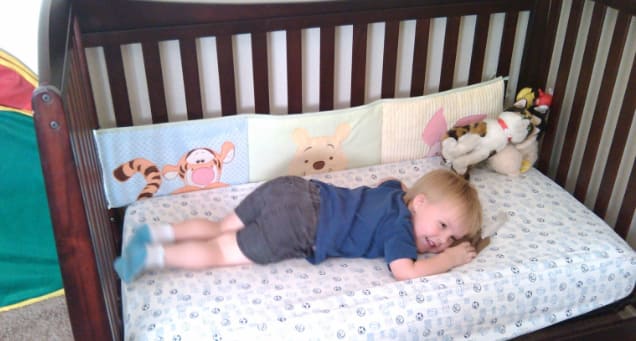
The 5 must-know timing and safety tips for the crib to toddler bed transition are:
- Wait for the “Great Escape” (Physical Climbing)
- Ensure Cognitive Readiness and Impulse Control
- Perform a Total Room Safety Audit (Furniture Anchoring)
- Maintain Consistent Bedtime Routines
- Establish Clear Sleep Boundaries (Okay-to-Wake Cues)

Recognizing Perfect Window for the Big Move
The absolute best indicator that it is time to move from a crib to toddler bed is your child’s physical ability to climb over the crib rails, as this creates an immediate and high-risk fall hazard that outweighs any benefit of keeping them contained. Most pediatric sleep experts suggest waiting as long as safely possible—ideally until your child is closer to age three—because younger toddlers often lack the impulse control needed to stay in an open bed throughout the entire night.
When a child can physically escape their crib, the “safety of the bars” ironically becomes a danger, signaling that the structural environment no longer matches their motor skills. Transitioning too early, particularly before age two, often results in the “curtain call” effect where children repeatedly leave their room, leading to massive sleep deprivation for the entire family.
Beyond physical prowess, you should meticulously look for signs of cognitive readiness, such as your child expressing an interest in a larger bed or showing an understanding of simple, consistent rules. If your toddler can follow two-step instructions and has a solid grasp of their “bedtime routine,” they are much more likely to respect the new boundaries of a toddler bed.

A child who is still in the peak of separation anxiety or going through other major life changes, like starting potty training or a new daycare, might find the loss of their crib overwhelming.
Scientific observations in behavioral development show that children who are involved in the “choosing” process of their new bedding or bed frame feel a higher sense of ownership, which drastically reduces resistance during the first few nights.
Developmental Signs of Readiness
Identifying the subtle shift from “baby” to “toddler” requires a keen eye for motor development and a deep understanding of your child’s temperament. If your child’s chin is higher than the top of the crib rail when standing on the mattress at its lowest setting, they have officially outgrown the safety specifications of most standard cribs. Additionally, if they are consistently asking to sleep in a “big bed” like an older sibling or friend, they are mentally preparing themselves for the transition.
Recognizing these developmental milestones early allows you to prepare the room gradually, rather than making a frantic, last-minute furniture change after a midnight fall.

Transitioning is not just about the bed; it’s about the child’s ability to handle spatial freedom without becoming overstimulated or fearful. A child who is highly sensitive to changes in their environment might need a “transitional object,” like a specific stuffed animal or a familiar blanket, to bridge the gap between the enclosed crib and the open bed.
By focusing on emotional regulation during the day, you are building the foundation for them to self-soothe in their new, larger sleep space at night.
Safety First: Child-Proofing the Entire Room
When you move your child from a crib to toddler bed, you must legally and practically view their entire bedroom as one giant crib, meaning every single inch must be scrutinized for potential hazards now that they have free rein. The most critical safety step is securing all heavy furniture, such as dressers, bookshelves, and changing tables, to the wall using high-quality anti-tip brackets to prevent fatal crushing accidents.
Toddlers are natural explorers, and an open bed means they can—and likely will—attempt to climb furniture in the middle of the night when you are asleep. According to the Consumer Product Safety Commission (CPSC), tip-over incidents remain a leading cause of injury in children’s bedrooms, making anchoring furniture a non-negotiable requirement.

In addition to furniture, you must meticulously manage choking hazards and electrical safety by using outlet covers and ensuring all cords for blinds or monitors are completely out of reach. Once a child is no longer contained by crib rails, a stray curtain cord or an unsecured lamp wire becomes a high-risk entanglement hazard.
You should also consider the height of the new bed; a low-profile toddler bed or a floor mattress is ideal during the first year of the transition to minimize the impact of inevitable “roll-outs.” Many parents find that adding removable bed rails provides both physical protection and a psychological sense of “enclosure” that helps the toddler feel as secure as they did in their crib.
Safety Gate and Night Lights!
Finally, you must decide whether to use a safety gate at the bedroom door or to keep the door closed to prevent the child from wandering into the kitchen or toward stairs in the dark. If your child can open doors, a gate acts as a secondary boundary that maintains a “safe zone” while still allowing them to see out into the hallway.
Ensuring that the hallway and bathroom have night lights can also prevent falls if your child is already potty training and needs to find their way. This comprehensive approach to home safety ensures that even if your child decides to have a midnight “room party,” they are protected from the most common and dangerous household accidents.

Sleep Transitions: Managing the Big Kid Bed
| Sleep Challenge | Traditional Reactive Approach | Gentle Transition Strategy | Primary Developmental Benefit |
| Constant Jack-in-the-Box | Locking the door or yelling to stay in bed. | Silently and neutrally walking them back to bed repeatedly. | Sets a firm, boring boundary without offering emotional reward. |
| Fear of the Open Room | Ignoring their sudden anxiety about the dark. | Introducing a dim, warm-toned nightlight and staying nearby. | Provides vital psychological safety and validates their new vulnerability. |
| Early Morning Roaming | Expecting them to understand the concept of time. | Using a highly visual toddler wake-up clock (red/green light). | Teaches independent time-awareness and prevents dawn parental wake-ups. |
| Refusing the New Bed | Forcing them into the new bed immediately. | Keeping the crib in the room initially for gradual daytime naps. | Respects their emotional attachment and builds profound sleep confidence. |
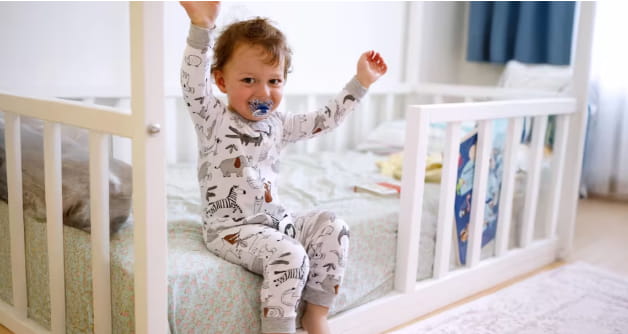
Strategies for a Tear-Free First Night
The secret to a successful first night in a big kid bed is to keep the existing bedtime routine exactly the same, providing a sense of “predictable comfort” amidst the major physical change. If your routine always involves a bath, two books, and a specific song, do not deviate from this pattern just because the furniture is different.
This consistency signals to the child’s nervous system that despite the new bed, the “rules of sleep” and the presence of their parents remain unchanged. Gentle parenting during this transition means validating their excitement or fear without allowing the boundaries of sleep to dissolve into chaos.
To encourage your child to stay in bed, consider using a toddler alarm clock (also known as an “okay-to-wake” clock) that uses simple colors to indicate when it is time to sleep and when it is okay to get up. These visual cues are incredibly effective for toddlers who cannot yet tell time but can easily understand that “Red means stay in bed, and Green means come see Mommy.”

Frequently Asked Questions (FAQ)
When is the right time to transition to a toddler bed?
The right time entirely depends on your child’s physical readiness, typically occurring between ages two and three. If they are consistently climbing out of the crib and posing a severe safety risk, or actively asking for a big bed, it is time to make the switch safely.
How do I keep my toddler in their new bed?
Keep your toddler in bed by making leaving it incredibly boring. If they wander out, silently walk them back, tuck them in, and leave without any engaging conversation or eye contact. This neutral repetition teaches them that escaping the bed yields zero emotional reward.
Should we change the bedtime routine for the new bed?
You should absolutely maintain the exact same, familiar bedtime routine. Since the physical sleeping environment is drastically changing, keeping their sequential pre-sleep rituals—like reading specific books or taking a warm bath—provides crucial neurological stability and deep psychological comfort during this massive transition.
Celebrating the Next Chapter of Independence
As you watch your “baby” climb into their very own toddler bed for the first time, take a moment to acknowledge the incredible growth you have both navigated to reach this point. This milestone is a testament to their developing motor skills and your dedicated support in their journey toward independence.
While the nights might be a bit more “active” for a few weeks, the reward is seeing your child take pride in their “big kid” status and learning to manage their own sleep boundaries. You are building a foundation of trust and safety that will serve them—and your family’s sleep—for years to come.
Embrace this change as a beautiful evolution of your home’s sleep culture, focusing on the connection rather than the furniture. Even on the nights when they wander into your room at 3 AM, remember that this is just a short season in the vast landscape of early childhood. By following these safety tips and honoring your child’s unique timing, you are making the world a little safer and a lot sweeter for your growing toddler.


Pingback: Navigating The "Mine!" Phase: Why Forced Sharing Fails