Editor’s Note: Choosing between baby-led weaning (BLW) and traditional purees is fundamentally about discovering the feeding dynamic that brings the most peace and joy to your family’s dining table, rather than adhering to rigid nutritional dogmas. Pediatric feeding specialists emphasize that both approaches successfully introduce solid foods, but they foster different early motor skills.
While purees offer parents a highly predictable, easily measurable transition into eating, BLW empowers infants to autonomously explore complex textures, naturally building advanced hand-eye coordination and intuitive portion control from their very first bite.
Sitting down for your baby’s first real meal is a milestone filled with immense excitement, but it often brings up a massive wave of parental anxiety. The modern feeding landscape is heavily divided into two distinct camps, leaving many parents wondering if they are making the right developmental choice. You are suddenly faced with deciding between handing your six-month-old a roasted broccoli floret or carefully spooning smooth sweet potato into their mouth.
This transition from milk to solid foods is a foundational step in building a healthy relationship with nutrition and feeling overwhelmed by the conflicting advice online is completely normal.

The Core Philosophy of Baby-Led Weaning
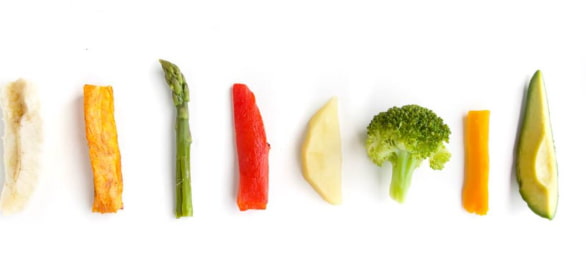
Baby-Led Weaning bypasses the traditional spoon-feeding phase entirely, inviting infants to join the family meal right from the start. By offering soft, safely prepared finger foods, parents empower their babies to take full control of what, how much, and how fast they eat. This method heavily relies on the child’s innate ability to self-regulate, shifting the parental role from an active feeder to a passive, supportive provider. Pediatric dietitians often praise this approach because it naturally respects the infant’s internal hunger and fullness cues, fostering a highly intuitive eating mindset from day one.
Beyond just nutrition, this independent feeding style serves as an intensive sensory playground for a rapidly developing brain. When an infant squishes an avocado slice or gnaws on a soft piece of steamed carrot, they are processing complex information about texture, temperature, and spatial awareness. The tactile feedback they receive through their hands prepares their brain for the sensory input that will soon happen inside their mouth.
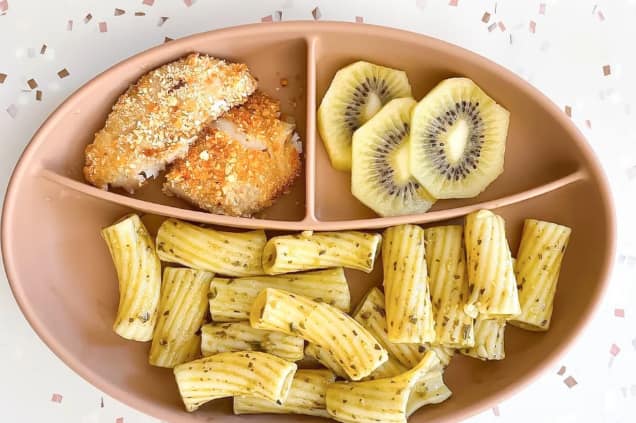
This rich sensory exposure is believed to significantly reduce the likelihood of picky eating in toddlerhood, as the child becomes deeply familiar with the true form of whole foods.
Adopting this method requires a profound shift in parental expectations, particularly regarding the inevitable mess and the volume of food actually consumed. In the early weeks, feeding is much more about exploration and play than it is about measurable caloric intake, which can trigger anxiety for parents accustomed to tracking ounces.
Motor Skills and Self-Regulation
Bringing a piece of food from the tray to the mouth requires remarkable hand-eye coordination and fine motor skills precision. When practicing Baby-Led Weaning, infants actively develop their pincer grasp—the ability to hold an object between the thumb and forefinger. This crucial developmental milestone translates far beyond the highchair, eventually aiding in skills like holding a pencil or buttoning a shirt. The constant practice of grasping, lifting, and accurately targeting the mouth acts as a daily neurological workout that accelerates their overall physical dexterity.
Furthermore, self-feeding inherently protects the child’s natural ability to stop eating when they are full, a concept known as self-regulation. Because the baby controls the entire pace of the meal, they are never pressured to take “just one more bite” from a spoon. Pediatricians highlight that preserving this internal physiological gauge is a powerful preventative measure against disordered eating habits. The child learns to listen to their own digestive signals, building a foundation of bodily autonomy that lasts well into adulthood.
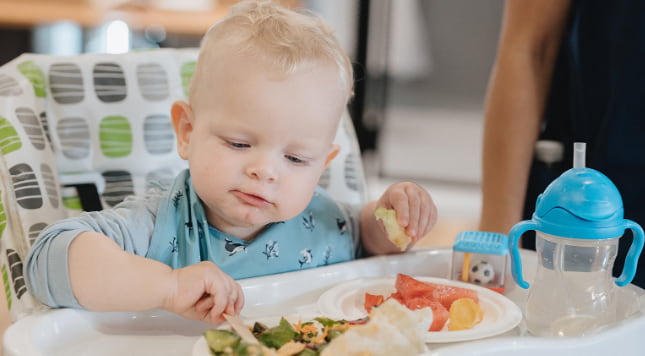
Choking Hazards vs. Gagging Reflex
The most prevalent fear surrounding the introduction of whole foods is the terrifying prospect of choking. However, extensive clinical studies have demonstrated that when foods are prepared safely—soft enough to squish between your fingers and cut into appropriate shapes—the risk is no higher than with traditional spoon-feeding. The key lies in understanding the critical difference between a life-threatening choking event and the highly protective, natural gag reflex. Gagging is a loud, active, and essential biological response that actually prevents food from traveling too far down the airway.
When a baby gags, their face may turn red and they might cough or sputter as their tongue pushes the unfamiliar texture forward. While this visual is undeniably distressing for a parent to witness, it is a sign that the baby’s safety mechanisms are functioning perfectly. By exploring solid foods independently, infants map their gag reflex early, learning exactly how far back food can safely go. Educating yourself on infant CPR and proper food modification transforms this anxiety-inducing phase into a confident, educated feeding journey.
The Traditional Approach of Spoon-Feeding Purees
For generations, starting solids meant smoothly blending fruits, vegetables, and meats into easily digestible, highly controlled purees. This traditional method offers a highly structured, gentle bridge between an exclusively liquid diet and the complex world of solid foods. By entirely removing the necessity of chewing, purees allow the baby’s digestive system to slowly adapt to new enzymes and ingredients without the immediate challenge of physical breakdown. It provides a comforting predictability that many families deeply appreciate during such a massive developmental transition.
One of the most significant psychological benefits of the puree route is the deep sense of reassurance it provides to the caregiver. When you are the one holding the spoon and the bowl, you can accurately track every single ounce of nutrition your baby consumes. This visibility is incredibly comforting for parents of premature babies, those with specific weight-gain concerns or simply those who feel overwhelmed by the variables of parenting.
Spoon-feeding also naturally creates a beautiful moment of focused, mutual connection between the parent and the developing child. The rhythmic process of offering the spoon, waiting for the baby to open their mouth, and making eye contact fosters a deep, non-verbal communication loop. It is a highly interactive dance of reading subtle facial expressions and adjusting the pace to match the infant’s comfort level. While the baby is not independently feeding themselves, they are actively participating in a socially rich, guided eating experience that builds immense mutual trust.
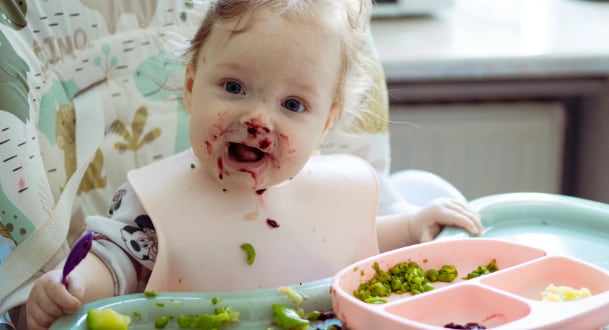
Tracking Nutritional Intake
Ensuring an adequate intake of critical nutrients, particularly iron and zinc, becomes a pressing priority around the six-month mark as maternal stores naturally deplete. Purees excel in this arena, as they allow parents to effortlessly blend iron-fortified cereals or nutrient-dense meats into highly palatable, smooth formats. There is no guessing game regarding how much actually made it into the stomach versus how much ended up on the floor. This precise delivery system is a powerful tool for preventing nutritional deficiencies during a period of rapid neurological growth.
Transitioning to Textures Later
A common critique of the exclusive puree method is that it can delay the critical development of chewing muscles and oral agility. If a baby remains on smooth, watery blends for too long, they may develop a strong sensory aversion to lumps and complex textures later in their first year. To prevent this developmental plateau, pediatric speech-language pathologists strongly advise moving swiftly through the puree stages. Transitioning from thin liquids to mashed, chunky, and eventually finely chopped foods must be a proactive, deliberate progression orchestrated by the parent.
Finding the Sweet Spot: The Mixed Approach
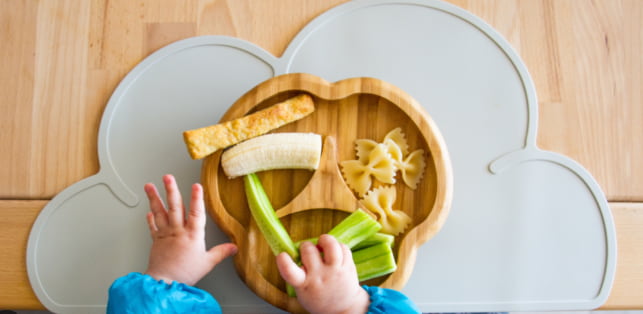
The intense online debate often frames Baby-Led Weaning vs. Purees as a rigid, uncompromising binary choice, but modern pediatric guidance actually supports a harmonious blend of both. You do not have to pledge unwavering allegiance to a single feeding philosophy to raise a healthy, capable, and adventurous eater. Offering pre-loaded spoons of oatmeal alongside a safe, graspable spear of roasted zucchini provides the absolute best of both developmental worlds. This hybrid method relieves the immense pressure on parents while still gifting the child the sensory benefits of independent exploration.
A mixed approach about baby-led weaning versus purees debate beautifully respects the unpredictable, fluctuating nature of infant fatigue and daily family dynamics. On a busy Tuesday evening when everyone is exhausted, spoon-feeding a nutrient-dense puree might be the most practical, tear-free solution for the whole household. Conversely, a relaxed Sunday morning offers the perfect, low-stress environment to let the baby joyfully destroy a slice of avocado toast. Flexibility is the hallmark of sustainable parenting, and adapting your feeding style to match the energy levels of the day prevents mealtime from becoming a rigid chore.

Ultimately, the overarching goal is to cultivate a positive, anxiety-free relationship with food that will serve the child for a lifetime. Whether a meal is delivered via a parent’s spoon or a baby’s messy fist, the nutritional value is absorbed all the same. The focus should always remain on the quality of the ingredients, the safety of the preparation, and the emotional atmosphere at the dining table.
Combining these methods allows families to navigate the tricky waters of starting solids with confidence, adaptability, and a deep sense of grace.

Feeding Approaches: BLW vs. Traditional Purees
| Feeding Strategy | Execution Style | Primary Developmental Benefit | Potential Challenge |
| Strict BLW | Serving safe, finger-sized soft whole foods. | Builds early jaw strength, autonomous eating, and complex pincer grasp. | Can be significantly messier and initially cause parental gagging anxiety. |
| Traditional Purees | Spoon-feeding smooth, blended fruits and vegetables. | Guarantees high nutrient intake and provides parents with measurable peace of mind. | May delay the critical transition to managing complex, chunky textures. |
| Combo Feeding | Offering loaded spoons alongside safe finger foods. | Maximizes nutritional density while still encouraging independent sensory exploration. | Requires parents to completely surrender the desire to control every bite. |
Frequently Asked Questions (FAQ)
Is baby-led weaning safe to start at six months?
Yes, starting Baby-Led Weaning at six months is perfectly safe if your baby displays all critical signs of developmental readiness, including sitting completely unassisted and losing the tongue-thrust reflex. Always ensure foods are sliced into soft, graspable shapes to actively prevent choking while they safely master chewing.
Will my baby choke if we skip purees entirely?
Skipping purees does not inherently cause choking, provided you serve age-appropriate, safely prepared textures. Gagging is a highly normal, protective neurological reflex that safely pushes food forward, completely distinct from silent choking. Observing this reflex calmly helps babies intuitively learn the physical boundaries of their own mouth.
Can I successfully combine both purees and Baby-Led Weaning?
You can absolutely combine both methods to drastically reduce parental anxiety while still fostering independent feeding skills. Offering a nourishing, iron-rich puree on a pre-loaded spoon alongside a soft, roasted sweet potato spear provides the perfect balance of guaranteed nutrition and joyful, autonomous sensory exploration.