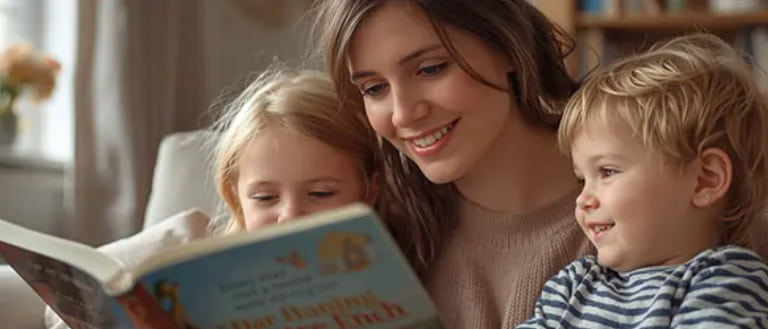
Editor’s Choice: The power of storytelling for kids extends far beyond simple bedtime entertainment; it is a fundamental neurological exercise that actively shapes their understanding of the complex world. Developmental psychologists highlight that when children listen to oral narratives or shared reading, their brains must actively construct the visual imagery, intensely exercising their working memory and sustained attention.
By stepping away from passive screens and engaging in face-to-face storytelling, parents provide a deeply enriching sensory experience that naturally expands a child’s vocabulary and accelerates advanced language acquisition without any forced memorization or rigid teaching methods.
In the digital age, where screens often compete for our children’s attention, the human voice remains the most captivating sound in their world. When you tell a story, you are not just reciting words; you are inviting your child into a shared mental space. This act of co-creation builds a bridge between your mind and theirs, fostering a sense of security and connection that no app or cartoon can replicate.

Why Storytelling is the Ultimate Brain Booster
When we talk about intellectual development, we often think of flashcards, educational apps, or learning the ABCs. However, storytelling for kids offers a complex cognitive workout that is disguised as fun. When a child listens to a story, their brain is firing on all cylinders. They are visualizing the scenes you describe, which strengthens their imagination and visual processing skills.
Unlike watching a movie where the images are provided, listening to a story requires the child to build the world in their own mind, a process that creates robust neural pathways essential for creative thinking and problem-solving later in life.
Furthermore, storytelling is the primary vehicle for language-speech acquisition and vocabulary expansion. Children learn words best when they are embedded in a meaningful context rather than in isolation. Through stories, they encounter rich, descriptive language—words like “courageous,” “gloomy,” or “delighted”—that they might not hear in everyday conversation.
As they listen to the rhythm and structure of sentences, they naturally internalize the rules of grammar and syntax.
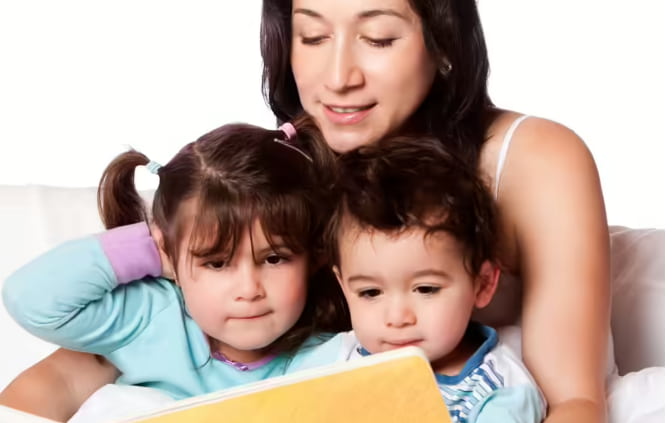
Beyond language, narrative helps children understand the concept of sequence and logic. Every story has a beginning, a middle, and an end, teaching children that actions have consequences and events happen in an order. Following a plot requires sustained attention and working memory, skills that are increasingly vital in a world full of distractions.
By keeping track of characters and plot twists, your child is essentially lifting weights with their brain, strengthening their ability to focus and retain information.
The Heart of the Matter: Building Emotional Intelligence
While the cognitive benefits are impressive, the emotional intelligence impact of storytelling for kids is perhaps even more significant. Stories allow children to experience emotions in a safe, controlled environment. When the protagonist of a story feels fear, sadness, or joy, the listening child feels a shadow of those emotions, too.
This practice is the birthplace of empathy. It allows them to walk a mile in someone else’s shoes, understanding that other people have feelings and perspectives different from their own, which is a crucial social skill for making friends and navigating the world.
Storytelling also provides a gentle way to discuss difficult or complex topics. Whether it is the arrival of a new sibling, the loss of a pet, or a struggle with a bully at school, weaving these themes into a story makes them approachable. A child might clam up if you ask them directly about their anxiety, but they will happily discuss a squirrel who is afraid to climb a high tree. By projecting their feelings onto a character, they can explore solutions and outcomes without feeling vulnerable or exposed.

Moreover, the physical act of storytelling fosters deep emotional intimacy between parent and child. It requires eye contact, physical closeness, and a dedicated block of time where the parent is fully present. In our busy lives, this undivided attention is the currency of love.
How to Be a Storytelling Hero (No Acting Skills Required)
Many parents hesitate to dive into storytelling for kids because they feel they lack creativity or aren’t “entertaining” enough. The truth is, your child is your biggest fan, and they don’t need a Broadway performance; they just need you. Start with what you know. Personal anecdotes from your own childhood are goldmines for kids. They love hearing about when Mom was a little girl or when Dad got in trouble for painting the dog.
These stories not only entertain but also humanize you, showing your children that you, too, were once small and made mistakes.
If you are inventing a story from scratch, use the “Problem-Solution” formula to keep it simple. Create a character (perhaps based on your child’s favorite animal), give them a desire (they want to reach the moon), introduce a problem (they don’t have a rocket), and find a solution (they build a ladder of clouds).
Use your voice to differentiate characters—a squeaky voice for a mouse or a deep rumble for a bear—and don’t be afraid to use sound effects. These sensory details make the story come alive and keep your child engaged.
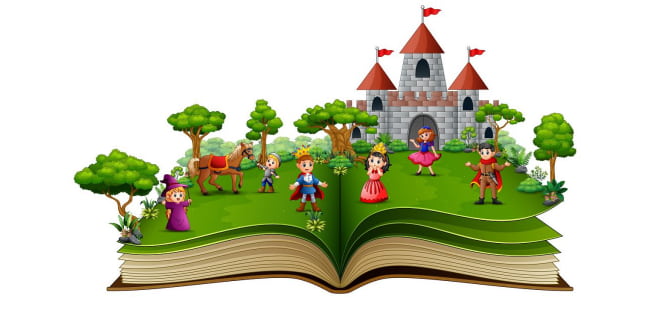
Finally, remember that storytelling for kids should be an interactive experience, not a monologue. Invite your child to co-author the tale with you. Ask questions like, “What do you think happened next?” or “What color was the dragon?” This empowers them and gives them ownership over the narrative.
The Magic of Oral Stories vs. Reading Books
While reading picture books is essential, there is a distinct power in oral storytelling for kids where no book is present. Without illustrations to look at, the child must rely entirely on their mind’s eye, which is a more intense workout for the imagination. It also frees you, the parent, from the physical barrier of the book, allowing for more direct eye contact and physical acting out of scenes.
Oral storytelling is also incredibly portable and flexible. You can tell a story in the dark, in the car, or while waiting in a long line at the grocery store. It allows you to adapt the length and content of the story instantly based on your child’s mood. If they are getting sleepy, you can slow the pace and lower your voice; if they are bored, you can introduce a sudden plot twist to grab their attention.
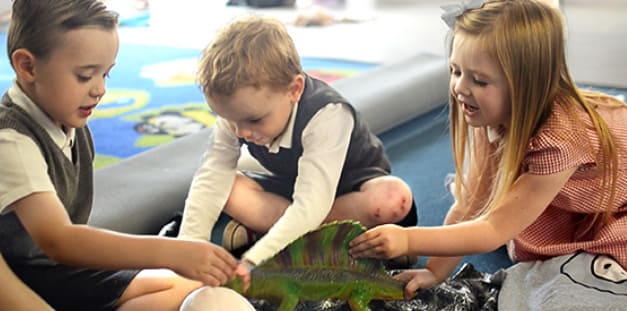
Turning Daily Routines into Adventures
You don’t need to wait for bedtime to harness the power of storytelling for kids. Integrating narratives into your daily routine can make mundane tasks magical and reduce resistance to chores. Cleaning up toys can become a rescue mission where the toys need to be saved from the “Floor Monster” and returned to their “Bin Castle.”
Mealtime battles can also be diffused with a good story. Broccoli florets can become tiny trees in a dinosaur forest that your little T-Rex needs to devour. By layering a narrative over everyday life, you teach your child to find wonder in the ordinary. It turns life into a playful experience and helps them develop a positive, creative outlook on their responsibilities.
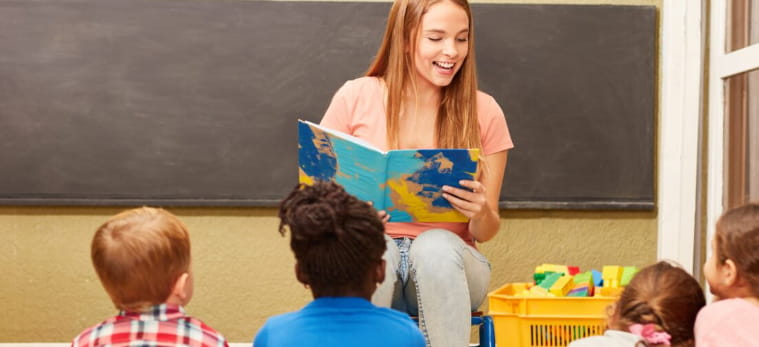
Teaching Values and Culture Through Tales
Stories have always been the primary vessel for passing down values, morals, and cultural heritage. Instead of lecturing your child about honesty, tell them the story of “The Boy Who Cried Wolf.” Fables and folktales are timeless because they deliver moral lessons in a digestible, non-preachy format that children can easily understand and remember.
Furthermore, storytelling for kids is a beautiful way to connect them to their roots. Share stories about their grandparents, family traditions, or cultural myths. This gives children a sense of belonging and identity. Knowing they are part of a larger narrative—a family history—provides them with a strong sense of self and a grounding that supports their psychological development.
Overcoming the Writer’s Block
It is normal to freeze up when a child demands, “Tell me a story!” having a few “story starters” in your back pocket can save the day. Keep a mental list of prompts like, “The day the animals learned to talk,” or “The girl who found a magic key.” You can also use “What If” scenarios to spark an idea, such as, “What if we woke up and everything was purple?”
Another great trick is to retell classic fairy tales but with a modern twist. Maybe Little Red Riding Hood and the Wolf become best friends and open a bakery together. Fracturing fairy tales is a fun way to practice storytelling for kids because the basic structure is already there for you, but you get to surprise your child with a new, creative outcome that reflects modern values or your child’s specific interests.
Narrative Nutrition: Strategies for Story Time
| Storytelling Method | Traditional Reactive Focus | Brain-Building Strategy | Primary Cognitive Benefit |
| Reading Picture Books | Rushing to finish the text quickly before sleep. | Pausing to ask, “What do you think happens next?” | Enhances predictive logic and deep reading comprehension. |
| Oral Family History | Reciting dry, flawless facts about relatives. | Sharing authentic moments when you failed and tried again. | Fosters profound emotional resilience and a healthy growth mindset. |
| Co-Creating Tales | Controlling the plot to ensure it makes perfect sense. | Letting the child dictate the character’s wild choices. | Builds advanced divergent thinking and creative autonomy. |
| Wordless Books | Skipping them because there is no text to read. | Taking turns narrating the detailed visual action on the page. | Develops sophisticated vocabulary and complex sentence structure naturally. |
Frequently Asked Questions (FAQ)
Do I need to be highly creative to tell my child stories?
You absolutely do not need to be highly creative to share impactful stories with your child. Children are completely captivated by simple, relatable narratives about your own childhood or everyday events, like a trip to the grocery store. It is the undivided attention, your familiar voice, and the shared emotional connection that truly matter to their developing brains, not complex or perfect plotlines.
How does storytelling help a child deal with big emotions?
Storytelling helps children process big emotions by providing a safe, psychological distance to explore difficult feelings. When a fictional character experiences frustration, anger, or sadness, your child can project their own overwhelming emotions onto the narrative safely.
Is telling stories from memory better than reading a book?
Both oral storytelling and reading books offer unique, vital neurological benefits, making a healthy mix the ideal approach. Reading aloud introduces complex, sophisticated vocabulary that rarely appears in daily conversation.