Editor’s Pick: Establishing meaningful family traditions to start this year is fundamentally about creating highly predictable, emotionally safe anchors in a rapidly changing world, rather than staging picture-perfect holiday events. Child psychologists consistently emphasize that simple, repeating rituals—like a dedicated weekly pizza night or a specific Sunday morning walk—significantly lower a child’s baseline anxiety by providing a guaranteed window of undivided parental attention.
By intentionally weaving these small, reliable connection points into your regular routine, families construct a deeply rooted sense of shared identity and belonging that naturally buffers against external stressors.
The true neurological power of a family tradition lies entirely in its consistency and the joyful, shared anticipation it generates, not in its financial cost or elaborate planning. When children know exactly what to expect from a specific family ritual, their developing nervous systems can fully relax and engage in genuine, face-to-face bonding.

Here are the 10 best family traditions:
- Interactive Weekly Meal (Taco Tuesday or Pancake Sunday)
- Friday Night Decompression
- New Park Challenge
- Date Night with Mom/Dad
- The Great Garden Start
- Gratitude Tree
- Winter Solstice Candle Night
- Birthday Interview
- Back-to-School Eve Feast
- Secret Kindness Agent

Why Family Traditions Matter More Than You Think
At their core, traditions are the glue that holds a family together, providing a profound sense of identity and belonging for children. In a world that is constantly changing and often overwhelming, knowing that “in our family, we always do X on Sundays” offers a comforting anchor of stability. Psychological research consistently shows that children who grow up with predictable family rituals have higher emotional resilience and stronger social skills.
Furthermore, Family Traditions act as a powerful communication tool, transmitting your family’s unique values without a single lecture. If you have a tradition of volunteering together before the holidays, you are teaching empathy and service. If you have a ritual of sharing “highs and lows” at dinner, you are teaching active listening and emotional vulnerability. These repeated actions speak louder than any advice you could give.
Finally, let’s not underestimate the sheer joy factor. Traditions give everyone—adults included—something to look forward to. They break up the monotony of the daily grind and create “landmark memories” that stand out in the timeline of childhood. When your children are grown and looking back on their early years, they likely won’t remember the specific toys they got for their birthdays, but they will vividly remember the anticipation of the annual “Yes Day” or the warmth of the monthly pajama movie marathon.
Weekly Rituals to Anchor Your Days
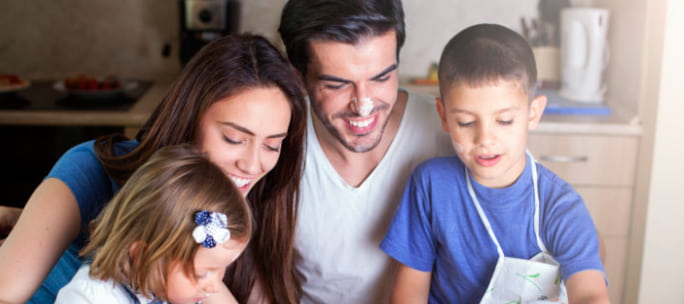
Weekly traditions are the heartbeat of family life because they are frequent enough to become second nature but special enough to feel like a treat. One fantastic idea is “Taco Tuesday” or “Pancake Sunday,” but with a twist—make it interactive. Instead of just serving food, turn the kitchen into a collaborative zone where even the toddlers can help tear lettuce or mix batter. The consistency of a specific meal on a specific day eliminates the “what’s for dinner?” stress and replaces it with shared anticipation and teamwork.
Another powerful weekly anchor is the “Friday Night Decompression.” After a long week of school and work, establish a rule where everyone changes into comfy clothes immediately upon entering the house, phones go into a basket, and you engage in a low-energy activity together. This could be a board game, listening to an audiobook while drawing, or simply lying on a blanket in the backyard watching the stars.
Monthly Adventures for Exploration
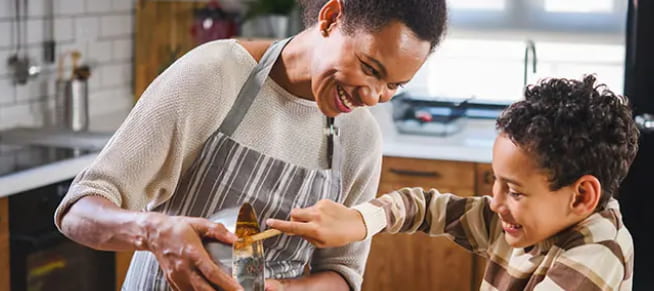
Monthly family traditions allow for a bit more planning and adventure, serving as mini-milestones throughout your year. Consider starting a “New Park Challenge,” where once a month, you visit a playground, hiking trail, or nature reserve you have never been to before. This fosters a spirit of exploration and adaptability in your children. It turns a regular Saturday into a mini-expedition, complete with a packed picnic and a sense of discovery that keeps the family dynamic fresh and exciting.
Alternatively, you could implement a “Date Night with Mom/Dad” rotation. In families with multiple children, it is easy for individual identities to get lost in the group dynamic. Dedicating a few hours once a month to one-on-one time with each child—doing whatever they want to do—is transformative. It doesn’t have to be expensive; a walk to get ice cream or a bike ride is enough.
Seasonal Celebrations to Mark the Passage of Time
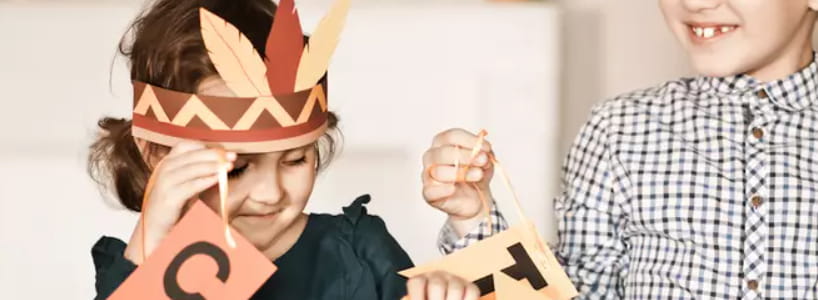
Seasonal traditions help children connect with the rhythm of the natural world and the passing of time. A lovely idea for spring is “The Great Garden Start” where every family member gets to pick one plant or flower to nurture in a pot or garden bed. Watching their plant grow teaches responsibility and patience. For autumn, a “Gratitude Tree” leading up to Thanksgiving can change the tone of your home; each day, everyone writes something they are thankful for on a paper leaf and tapes it to a branch, creating a visual reminder of abundance.
Winter offers the perfect excuse for “The Winter Solstice Candle Night.” On the longest night of the year, turn off all electric lights and spend the evening by candlelight. You can drink hot cocoa, tell stories in the dark, and talk about the “light” you want to bring into the coming year.
Birthday and Milestone Magic in Family Traditions
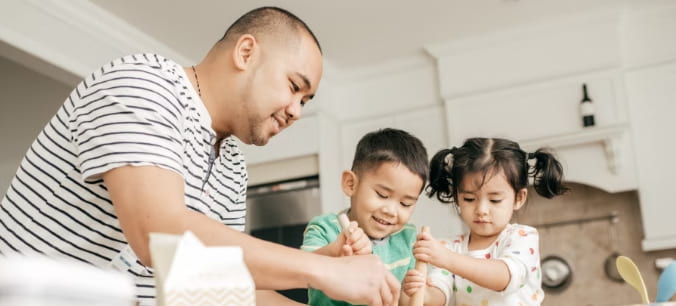
Birthdays are already special, but adding a unique family twist makes them unforgettable. Start a “Birthday Interview” tradition where you ask the birthday child the same set of 10 questions every year (e.g., “What is your favorite song?”, “What do you want to be when you grow up?”, “What was the best thing that happened this year?”). Record their answers in a special journal or on video. Over the years, this becomes a priceless time capsule of their evolving personality and dreams.
For other milestones, like the first day of school, create a “Back-to-School Eve” feast. Let the kids choose a “power meal” that makes them feel strong and ready for the new year. During dinner, go around the table and share one hope and one fear for the upcoming year. Validating their nervousness and celebrating their growth before the big day helps transition them from holiday mode to school mode with confidence and support.

The “Just Because” Traditions
Sometimes the best traditions are the ones that make no sense to anyone but you. Maybe it is “Dessert Before Dinner” on the first rainy day of the month, or an impromptu dance party whenever a specific song comes on the radio. These quirky, spontaneous rituals are often the ones that induce the most giggles. They teach children that joy doesn’t always need a calendar invite; it can be seized in the moment.
Another sweet idea is the “Secret Kindness Agent” mission. Once in a while, declare a secret mission where the family does a random act of kindness for a neighbor or friend, like baking cookies or raking leaves, anonymously. Doing good together unites you as a team with a shared positive secret. It builds a family culture of generosity and shows them that Family Traditions can also be about looking outward and brightening the world around you.

Tradition Blueprints: Building Everyday Connection
| Tradition Category | Simple Execution | Proactive Connection Strategy | Primary Emotional Benefit |
| Daily Micro-Moments | High-five routines at the door. | Establishing a consistent physical connection before separation. | Eases transition anxiety and builds secure attachment. |
| Weekly Anchors | Friday night living room picnics. | Removing screens to focus entirely on shared conversation. | Fosters reliable anticipation and a strong sense of belonging. |
| Monthly Adventures | Exploring a new local park. | Allowing the child to dictate the exploration pace and direction. | Encourages autonomous decision-making and shared discovery. |
| Annual Milestones | Writing a birthday reflection letter. | Focusing the message on character growth rather than achievements. | Deepens core self-esteem and creates a tangible emotional legacy. |
Frequently Asked Questions (FAQ)
How do we start a new family tradition without it feeling forced?
You can seamlessly introduce a new family tradition by simply identifying a positive, naturally occurring moment in your current routine and intentionally repeating it, completely avoiding the pressure of a forced, artificial ritual. For example, if your family spontaneously enjoyed listening to a specific music playlist while cooking dinner one evening, consciously choosing to play that exact same music next Tuesday instantly establishes the foundation of a new tradition.
What if my teenager resists participating in our established family traditions?
When a teenager resists participating in established traditions, it is critical to recognize this behavior as a developmentally appropriate push for autonomy rather than a personal rejection of the family unit. During adolescence, the primary neurological drive shifts toward peer connection and independent identity formation, making mandatory family activities feel inherently restrictive or childish. even as the specific activities radically transform.
How do we maintain consistency with traditions when our schedule is overwhelming?
You can easily maintain consistency during overwhelmingly busy seasons by ruthlessly scaling back your traditions to their most basic, fundamental elements of connection, rather than abandoning them entirely. Pediatric psychologists stress that the precise execution of the ritual is far less important to a child’s nervous system than the reliable, dedicated presence of the parent.