Editor’s Choice: Incorporating superfoods for growing children into daily meals is not about enforcing a rigid diet, but rather about seamlessly weaving nutrient-dense ingredients into foods they already enjoy. Pediatric nutritionists emphasize that early exposure to foods rich in antioxidants, healthy fats, and complex carbohydrates establishes a robust foundation for lifelong cognitive and physical health. By focusing on colorful, whole-food additions like chia seeds, wild berries, and avocados, parents can naturally stabilize their child’s energy levels and enhance their focus.
This proactive, stress-free nutritional approach empowers families to build positive eating habits without power struggles, ensuring that growing bodies receive the vital micronutrients required to thrive in their everyday adventures.
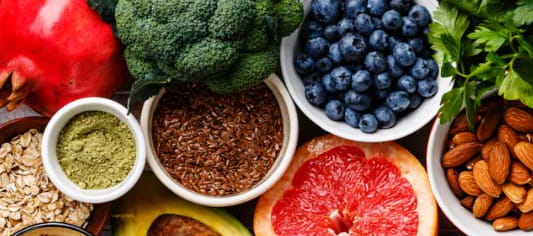
Here are the top 5 superfoods for growing children will be mentioned:
- Eggs
- Berries
- Leafy Greens
- Yogurt
- Avocados
What Makes a Food “Super” for Kids?
The term “superfood” gets thrown around a lot in the wellness world, but when it comes to our kids, it simply refers to whole foods that offer maximum nutritional benefits for minimal calories. These are the foods that go beyond just filling a tummy; they actively work to build strong bones, develop brain tissue, and fortify the immune system against those inevitable playground germs.

Unlike processed foods that provide empty energy, these ingredients are the building blocks of a healthy body.
For a growing child, their body is in a constant state of construction. Their bones are lengthening, their brains are forming millions of connections, and their muscles are strengthening. This requires a steady supply of specific nutrients like:
- calcium,
- iron,
- omega-3 fatty acids, and
- protein.
A “super” food is one that delivers a high concentration of these vital elements in a natural, easy-to-digest package, helping to bridge the gap between what they should eat and what they actually eat.
It is also important to remember that variety is the spice of life—and health. No single food can provide everything a child needs. The goal isn’t to force-feed kale at every meal but to rotate these nutritional powerhouses throughout the week.

Eggs: The Brain-Boosting Breakfast
If there is one food that deserves a gold medal for versatility and nutrition, it is the humble egg. Eggs are one of the few natural sources of Vitamin D, which is crucial for calcium absorption and bone growth. More importantly, they are packed with choline, a nutrient that is absolutely essential for brain development and memory function.
Serving eggs doesn’t have to mean a boring hard-boiled snack every day. You can scramble them with a little cheese, make fun-shaped omelets, or even bake them into muffin tins with some veggies for a grab-and-go breakfast. The protein in eggs also helps keep little bellies full longer, preventing that mid-morning energy crash and the crankiness that usually follows.

Superfood Berries: Nature’s Candy
When your child is craving something sweet, berries are the perfect solution. Strawberries, blueberries, and raspberries are loaded with antioxidants, particularly Vitamin C, which helps protect the body’s cells from damage and keeps the immune system fighting fit. They are also high in fiber, which keeps the digestive system running smoothly—a common concern for many parents.
The best part about berries is that they require almost no preparation. You can toss a handful of blueberries into oatmeal, use strawberries as a natural topping for pancakes, or freeze them for a refreshing summer treat. Their bright colors make them visually appealing to kids, and their natural sweetness makes them an easy sell compared to bitter vegetables.
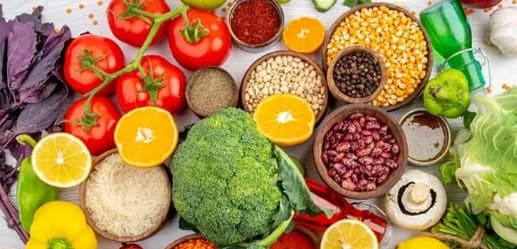
Leafy Greens: The Iron Giants
We know, we know—getting a child to eat spinach can feel like an impossible mission. However, leafy greens like spinach and kale are incredibly rich in iron and calcium, two minerals that are non-negotiable for Superfoods for Growing Children. Iron carries oxygen to all parts of the body, and a deficiency can lead to fatigue and behavioral issues, while calcium is the foundation of their skeletal system.
If a salad is a no-go, try the “stealth health” approach. Mild greens like spinach blend seamlessly into fruit smoothies without changing the taste—the color might turn green, but you can call it a “Hulk” or “Dinosaur” drink! You can also chop them finely into pasta sauces, meatballs, or cheesy quesadillas, where the flavor is masked but the nutrients remain.
Yogurt: For Strong Bones and Happy Tummies
Yogurt is a fantastic source of calcium and protein, but its real superpower lies in probiotics. These are the “good bacteria” that maintain a healthy gut microbiome. A healthy gut is linked to everything from better digestion to improved mood and stronger immunity.
When choosing yogurt, opt for plain, full-fat Greek yogurt rather than the pre-flavored tubes that are often packed with added sugar. You can sweeten it naturally with a drizzle of honey (for kids over one) or fresh fruit. It makes for a perfect dip for apple slices or a creamy base for a breakfast parfait.

Avocados: The Good Fat
For years, we were told to avoid fat, but we now know that healthy fats are essential, especially for children. Avocados are packed with monounsaturated fats, which are critical for brain health and vision development. Since a child’s brain is about 60% fat, feeding it the right kind of fuel is vital during these early years.
The creamy texture of avocado makes it an excellent first food for babies, but big kids love it too. You can spread it on toast, mash it into guacamole for dipping, or even hide it in chocolate pudding (yes, really!) for a silky, rich dessert that is secretly healthy. It is a calorie-dense food, which is great for active kids who burn a lot of energy playing.

Nutritional Powerhouses: Seamless Integration
| Superfood Category | Kid-Friendly Source | Proactive Serving Strategy | Primary Developmental Benefit |
| Healthy Fats (Omega-3s) | Avocados & Chia Seeds | Blending into fruit smoothies or spreading on whole-grain toast. | Supports rapid brain development and nervous system health. |
| Antioxidants | Blueberries & Sweet Potatoes | Baking into naturally sweetened muffins or serving frozen. | Protects cells from oxidative stress and powerfully boosts immunity. |
| Plant-Based Protein | Hemp Hearts & Lentils | Sprinkling over yogurt or mixing into savory pasta sauces. | Essential for sustained physical energy and muscular growth. |
| Probiotics | Plain Full-Fat Kefir | Using as a creamy base for overnight oats or healthy popsicles. | Cultivates a diverse gut microbiome for optimal digestion and mood regulation. |
Frequently Asked Questions (FAQ) About Superfoods
How can I introduce superfoods to a picky eater without causing stress?
Introducing new, nutrient-dense superfoods to a selective eater requires a strategy of gentle exposure rather than applying pressure during mealtimes. Pediatric dietitians recommend the “food chaining” method, which involves pairing a tiny amount of the new, unfamiliar superfood alongside a highly preferred, safe food.
Are expensive powders necessary to provide my child with adequate superfoods?
Expensive, highly marketed superfood powders are absolutely not necessary for providing your growing child with a perfectly balanced, nutrient-dense diet. While specialized supplements often boast impressive ingredient lists, the human digestive system is biologically optimized to extract vitamins, minerals, and dietary fiber from whole, unprocessed foods much more efficiently
How do healthy fats specifically support my child’s cognitive development?
Healthy fats, particularly Omega-3 fatty acids, act as the fundamental structural building blocks for a child’s rapidly expanding neurological system during their critical early years. The human brain is composed of nearly sixty percent fat, meaning it requires a continuous, high-quality supply of dietary lipids to form robust neural connections and protective myelin sheaths. B
Importance of Superfoods for Children
Transforming your child’s diet doesn’t happen overnight, and it certainly doesn’t require a complete pantry overhaul. By slowly introducing these nutritional heroes one by one, you can make a massive difference in their long-term health. Remember, it can take up to 15 tries for a child to accept a new food, so don’t be discouraged by a rejected broccoli floret or a pushed-away plate of eggs.
Keep the atmosphere at the table light and fun. Your job is to offer the healthy options; their job is to decide how much to eat. With patience, love, and a sprinkle of creativity, you will be building a foundation of health that supports their dreams, their play, and their beautiful, growing bodies.
Embrace this nutritional journey as a joyful opportunity to connect with your growing child rather than a stressful daily chore. Every colorful, nutrient-dense meal you share today actively shapes their lifelong wellness, giving them the vibrant, sustained energy needed to confidently explore the world together.