Editor’s Note: Dealing with childhood food allergies is fundamentally about proactive environment management and empowering your child, rather than living in a constant state of fear. By systematically organizing your kitchen, mastering food label literacy, and maintaining open communication with external caregivers, parents can create a robust safety net that allows their child to thrive socially and physically without unnecessary anxiety. This active preparation builds true resilience.
Pediatric allergists emphasize that an allergic reaction is an immune system overresponse to a specific protein, requiring strict avoidance and immediate access to emergency medication like epinephrine auto-injectors.
Understanding cross-contamination—how microscopic traces of an allergen can transfer via shared utensils or manufacturing lines—is absolutely critical for daily safety. Shifting from a restrictive mindset to an inclusive, safety-first approach completely transforms a family’s daily dynamic, ensuring the child feels secure and socially engaged rather than isolated.
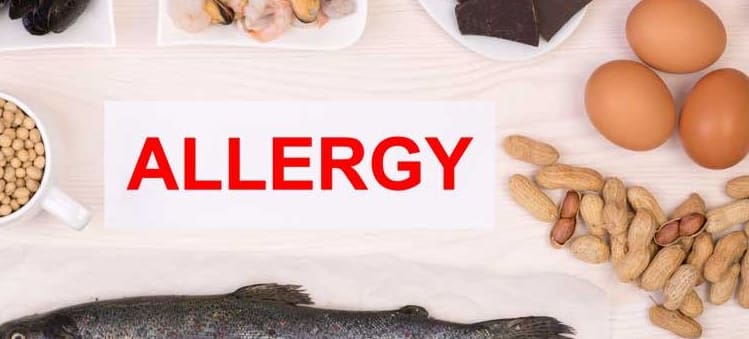
In this guide, we are going to strip away the medical jargon and get down to the nitty-gritty of raising a child with dietary sensitivities. We will cover everything from spotting the first symptoms to navigating birthday parties and school lunches. Our goal is to move you from a place of panic to a place of preparation, ensuring that Food Allergies never define your child.
Understanding the Enemy: What is Happening?
To manage the condition effectively, it helps to understand the biology behind the reaction. Essentially, an allergic reaction is a case of mistaken identity by the immune system. Your child’s body mistakenly identifies a harmless protein in food (like a peanut or milk protein) as a dangerous invader, similar to a virus or bacteria. In response, the immune system launches an attack, releasing chemicals like histamine to fight off this perceived threat.
This internal battle is what causes the symptoms we see on the outside, ranging from mild itching to severe respiratory distress.
It is also crucial to distinguish between a true allergy and a food intolerance, as parents often confuse the two.
- An intolerance, such as lactose intolerance, usually involves the digestive system and the inability to break down certain foods. It can cause gas, bloating, and discomfort, which is certainly unpleasant, but it is not life-threatening.
- An allergy, on the other hand, involves the immune system and can affect multiple organs, potentially leading to severe reactions.
Knowing the difference ensures you are treating the right problem with the right level of urgency.
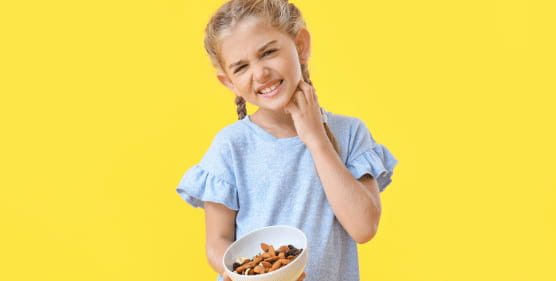
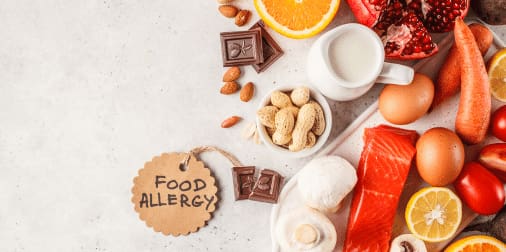
While any food can technically cause a reaction, about 90% of all food allergies in children are caused by the “Big 9”:
- milk,
- eggs,
- peanuts,
- tree nuts,
- wheat,
- soy,
- fish,
- shellfish, and
- sesame.
Knowing these common culprits helps you be extra vigilant when introducing solids or trying new recipes. The good news is that many children outgrow allergies to milk, soy, egg, and wheat by the time they reach school age, although allergies to nuts and seafood tend to be lifelong companions.
Spotting the Signs: Symptoms to Watch For
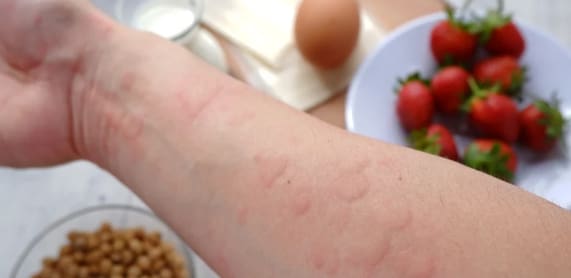
Symptoms can manifest in surprisingly different ways for different children. For some, the reaction is immediate, occurring within minutes of ingestion. For others, it might take up to two hours. The most common visible signs involve the skin:
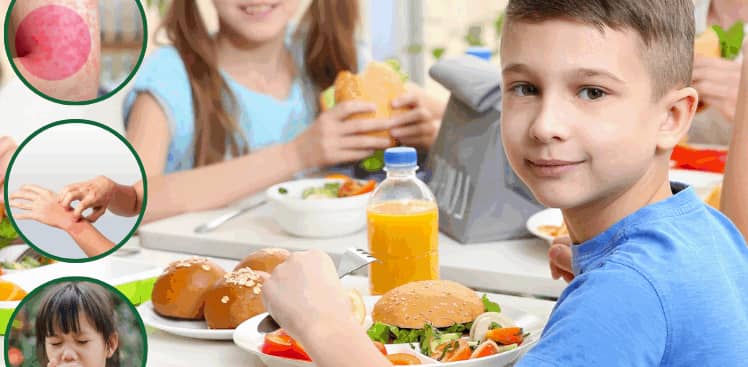
- hives (red, raised, itchy patches),
- eczema flare-ups, or
- swelling of the lips, face, and eyes.
However, symptoms can also be internal, such as vomiting, stomach cramps, or diarrhea, which can sometimes be mistaken for a stomach bug.
More concerning symptoms involve the respiratory and cardiovascular systems. If your child is wheezing, coughing repetitively, has a hoarse voice, or seems to be having trouble breathing, these are red flags.
In younger children who can’t verbalize their feelings, you might notice a sudden change in behavior—they might become unusually clingy, pale, or lethargic. Trust your gut instinct; if your child seems “off” after eating, pay close attention.

The Danger of Anaphylaxis
We cannot discuss this topic without addressing the most severe reaction: anaphylaxis. This is a rare but life-threatening condition that requires immediate medical attention. It usually involves more than one system of the body (e.g., hives plus vomiting, or swelling plus difficulty breathing).
If you suspect anaphylaxis, the rule is “Epinephrine first, then 911 (or your local emergency number).” Many parents hesitate to use an auto-injector (EpiPen) because they are afraid of hurting their child or being wrong. However, experts agree that the benefits of using epinephrine drastically outweigh the risks. Having an emergency action plan printed out and accessible can help you act quickly and calmly if this scary situation ever arises.
Diagnosis and Creating a Plan for Food Allergies
If you suspect your child has an issue with certain foods, the detective work shouldn’t be done alone. Self-diagnosing or randomly cutting out food groups can lead to nutritional deficiencies and unnecessary stress. The first step is to see a pediatrician, who will likely refer you to a board-certified allergist. They will use your child’s history combined with specific tests to pinpoint the problem. Remember, a positive test result doesn’t always mean a clinical allergy; it must be interpreted alongside your child’s reaction history.
The two most common diagnostic tools are the skin prick test and the blood test.
- During a skin prick test, a tiny amount of the allergen is placed on the skin (usually the back or arm) and pricked to see if a bump (hive) develops. It is quick and relatively painless.
- Blood tests measure the level of antibodies in the blood. In some cases, if the results are unclear, an allergist might recommend an “oral food challenge,” where the child eats small amounts of the food under strict medical supervision. This is the gold standard for diagnosis.
Once you have a confirmed diagnosis, the management plan becomes your roadmap. This involves strict avoidance of the allergen and being prepared for accidental exposure. Your doctor will prescribe an emergency kit, usually containing antihistamines for mild reactions and an epinephrine auto-injector for severe food allergies.
Mastering the Art of Label Reading
Grocery shopping takes a bit longer when you are an allergy parent, but it becomes second nature over time. You must become a detective, reading every label, every time. Companies can change ingredients without warning, so even if you have bought a product safe for years, check it again. Look for the “Contains” statement near the ingredient list, which highlights major allergens.
Be wary of precautionary labels like “May contain traces of…” or “Made in a facility that processes…” These voluntary warnings are tricky. While some positive parents ignore them, for a child with a severe allergy, the risk of cross-contamination might be too high. Discuss with your allergist which level of avoidance is necessary for your specific situation about food allergies.

Preventing Cross-Contamination at Home
If your entire household isn’t going allergen-free, you will need protocols to prevent cross-contamination in the kitchen. This happens when a safe food comes into contact with an unsafe food—like using a knife to spread peanut butter and then using the same knife for your allergic child’s sandwich. Even invisible traces can trigger a reaction of food allergies.
To keep your kitchen safe, consider designating specific shelves in the pantry and fridge for “safe” foods. Use separate cutting boards, sponges, and toasters if possible. Washing hands and surfaces with soap and water (sanitizer doesn’t remove food proteins) before preparing your child’s meal is essential. Teaching the whole family, including siblings, about these rules creates a protective bubble at home.
Empowering Your Child About Food Allergies
One of the hardest parts of this journey isn’t the food itself; it is the social and emotional impact of the subject of food allergies. Food is central to our celebrations—birthday cakes, holiday feasts, school treats. You don’t want your child to feel excluded or “different,” but safety comes first. Navigating this balance requires open communication and a bit of creativity.
Communication with other adults is key. Teachers, babysitters, and the parents of your child’s friends need to know about food allergies—not just that it exists, but how serious it is. Don’t be afraid to be “that parent” who sends a detailed email or asks to check the ingredients of the snacks being served.
As your child grows, the goal is to shift the responsibility from you to them. We want to raise children who are confident advocates for their own health. Start young by teaching them what they are allergic to and what it looks like. Teach them the golden rule: “If we don’t know what’s in it, we don’t eat it.” Role-play situations where they might be offered food and help them practice saying, “No thank you, I have allergies.”
Focusing on What They Can Have
Instead of focusing on the “No” list, celebrate the “Yes” list. There is a whole world of delicious, safe foods out there. Get your child into the kitchen to help cook allergy-friendly meals. When they feel in control of their food and see that it can still be delicious, they feel less restricted.
Make allergy-friendly versions of popular treats—gluten-free cookies, dairy-free pizzas, nut-free granolas. Show them that their diet isn’t about deprivation; it is just a different way of eating. This positive attitude helps build a healthy relationship with food, despite the restrictions.
| Common Allergen | Often Hidden In (Cross-Contamination Risks) | Safe, Nutrient-Dense Alternatives | Proactive Household Strategy |
| Peanuts / Tree Nuts | Asian sauces, baked goods, artisan ice creams. | Sunflower seed butter, roasted chickpeas. | Establish a strictly nut-free home environment to eliminate accidental exposure entirely. |
| Dairy | Processed meats, breath mints, instant potatoes. | Fortified oat milk, coconut yogurt, nutritional yeast. | Use dedicated, color-coded cutting boards and sponges for all dairy-free meal prep. |
| Eggs | Fresh pastas, marshmallows, certain vaccine cultures. | Applesauce, flaxseed “eggs,” aquafaba (chickpea water). | Thoroughly wash all shared baking equipment in a high-temperature dishwasher cycle. |
| Wheat / Gluten | Soy sauce, canned soups, play-dough, cosmetics. | Quinoa, brown rice pasta, certified gluten-free oats. | Store all safe, allergen-free pantry items on the highest shelves to prevent crumb fall. |
Frequently Asked Questions (FAQ)
How do I handle cross-contamination in a shared family kitchen?
Effectively handling cross-contamination requires establishing dedicated, color-coded prep zones and utilizing separate utensils for allergen-free cooking to prevent accidental protein transfer. Simply wiping a knife or cutting board with a dry cloth is insufficient, as microscopic allergic proteins easily survive and transfer to safe foods.
What is the best way to prepare caregivers and schools for an allergic reaction?
The best way to prepare external caregivers is to provide a standardized, highly visible Anaphylaxis Emergency Action Plan alongside comprehensive, hands-on training with an epinephrine auto-injector. Handing over a generic list of forbidden foods is dangerously inadequate; teachers and sitters must clearly understand the specific early warning signs of a severe reaction, which often present subtly as coughing or throat clearing before escalating.
How can I help my child navigate the social anxiety of having a food allergy?
You can mitigate social anxiety by actively equipping your child with confident, age-appropriate language to advocate for their own dietary needs, shifting the narrative from a restriction to a simple biological boundary. Practicing role-play scenarios at home—like politely declining an unsafe cupcake at a birthday party—builds their intrinsic self-reliance and emotional resilience.
Pingback: Introducing Eggs to Babies: Spot Allergy Signs Safely