Editor’s pick: To manage toddler food jags without mealtime battles, serve their preferred safe food alongside a micro-portion of a new food, removing all pressure to take a bite.
When your little one suddenly decides that plain pasta is the only acceptable meal, panic naturally sets in. You might worry how a growing body can survive on a limited menu.
This intense phase is incredibly common. The key is to avoid restricting the favorite food completely, and instead use it as a bridge to introduce variety gently.
According to pediatric guidelines, typical toddler development includes periods of extreme pickiness as they assert independence. While this is developmentally normal, it is essential to monitor their overall growth trajectory with your healthcare provider.

Clinical observations suggest that if a child maintains their energy levels, temporary restricted diets rarely cause immediate harm.
Our goal is not to diagnose medical issues, but to provide gentle, actionable mealtime strategies that restore peace to your family table and rebuild their food confidence.
Commentary: You Are Not Failing
We have absolutely been there, standing in the kitchen watching our carefully prepared meal end up on the floor. It feels like a personal rejection when you are running on fragmented sleep. You might find yourself negotiating over a single pea, feeling a heavy wave of parental guilt.
Hear this clearly: your child’s refusal to eat is not a reflection of your parenting skills.
By shifting our perspective from forcing bites to creating a safe environment, we instantly remove heavy expectations.
Understanding Toddler Food Jags
A toddler food jag happens when a child demands the exact same food, prepared the same way, for every single meal. They might insist on a specific yogurt brand or reject a sandwich cut diagonally. This rigid eating pattern provides safety and predictability in a world that feels chaotic to a growing toddler.
They are not trying to manipulate you; they are seeking comfort through familiar sensory experiences during a period of massive cognitive development.
The psychological driver behind this behavior is tied to their emerging autonomy and sensory processing systems. Around age two, their growth rate slows, leading to a natural decrease in appetite. Simultaneously, they realize eating is an area they can entirely control.
From a sensory perspective, a processed cracker tastes exactly the same every time, whereas a blueberry can be sweet, sour, or mushy, making whole foods inherently unpredictable and intimidating for a small child.
Practical Steps to Expand Their Plate
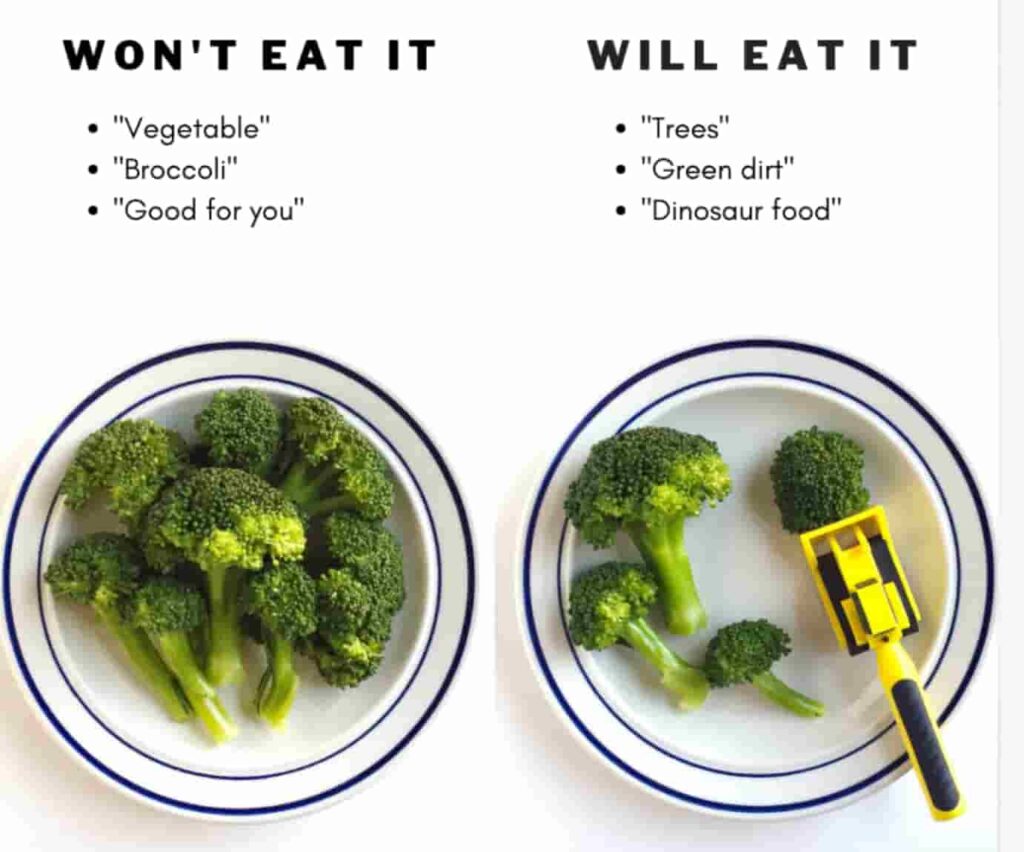
Breaking the cycle of a food jag requires a gentle approach based on the division of responsibility. You decide what food is offered and when mealtime happens; the child decides whether to eat it.
To implement this without causing a hunger strike, utilize these foundational strategies:
- Always include a safe food: Ensure at least one item on the plate is something they love.
- Deconstruct complex meals: Serve ingredients separately rather than mixed together.
- Avoid hovering: Look away and eat your own meal peacefully.
The most critical shift you can make today is completely removing all pressure from the dining table. Pressure includes saying “take one more bite,” excessive praise for eating, or constantly watching them chew.
When a toddler feels heavily monitored, their anxiety spikes, which biologically suppresses their appetite and makes trying new things feel dangerous.
By ignoring what they choose to eat and focusing on positive conversation, you allow their natural curiosity to eventually take over without burden.

The Magic of Food Chaining
Food chaining is a low-stress technique that leverages your toddler’s current favorite food to introduce slightly different variations, expanding their palate one millimeter at a time. Instead of jumping from french fries directly to roasted broccoli, you bridge the gap through subtle changes in texture or shape.
If they only eat round crackers, your first chain might simply be offering a square cracker, or presenting the familiar round cracker with a tiny dot of butter on the edge.
When implementing these steps, serve the new variation alongside a micro-portion of an entirely new food. A micro-portion is a piece of food no larger than a pea or a single grain of rice. Because the portion is so ridiculously small, it does not visually overwhelm the child or trigger their gag reflex.
They are much more likely to interact with or touch a crumb-sized piece of sweet potato than a giant, intimidating wedge on their plate.

Chaining Examples: Common Favorites
To put this strategy into practice, we can construct a gentle bridge from a highly processed favorite to a nutrient-dense option. The progression should never be rushed; you might stay on one step for weeks until your toddler confidently accepts it.
The structured table below outlines how to create sensory bridges for common fixations. Remember that progress is rarely linear, and stepping back to a previous comfort level during teething or illness is completely normal.
| Original Safe Food | Step 1 (Slight Shape/Brand Change) | Step 2 (Slight Texture/Flavor Change) | Step 3 (Target Nutritional Goal) |
|---|---|---|---|
| Fast Food French Fries | Frozen store-bought fries, baked at home | Homemade potato wedges baked in oil | Roasted sweet potato wedges |
| Boxed Macaroni & Cheese | Same brand, different noodle shape | Mixing in a spoonful of real cheddar | Homemade pasta with mild cheese sauce |
| Plain White Bread Toast | White bread, lightly toasted with butter | Half white, half wheat bread | Whole grain bread with mild hummus |
Jag Burnout and Parents
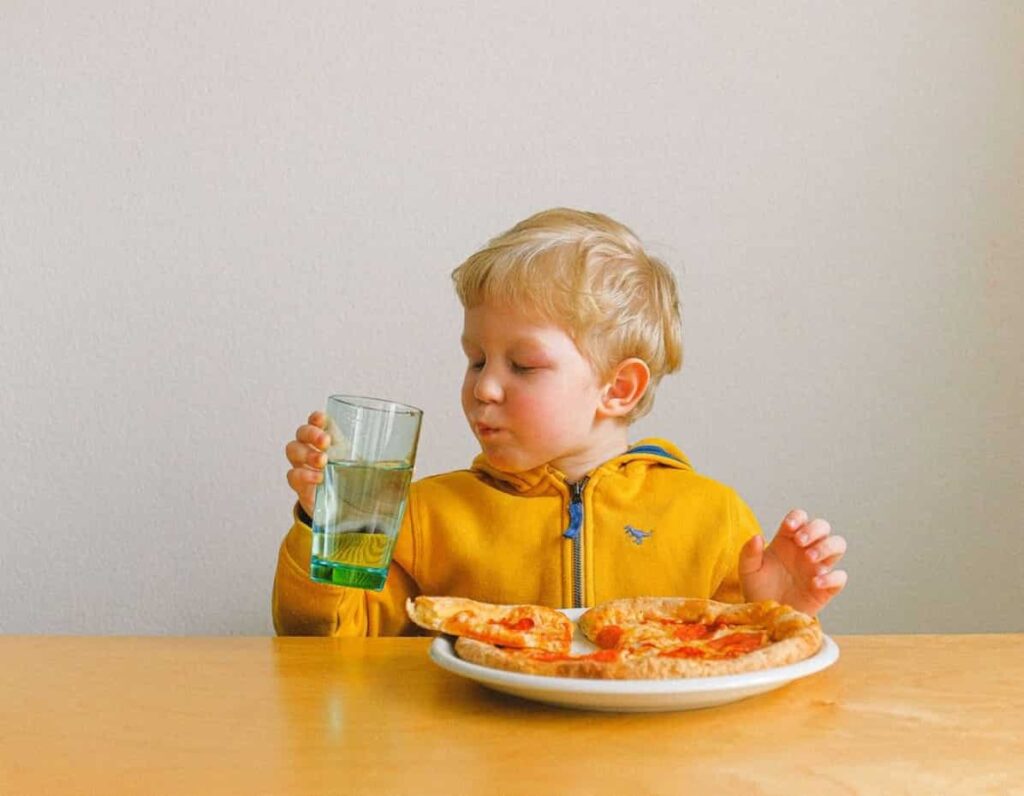
Despite your careful efforts, there will likely come a day when your toddler pushes their favorite food away in disgust. This sudden rejection is called jag burnout, and it feels defeating when your reliable lifeline is severed. It is vital to stay completely neutral.
Take a deep breath and calmly say, “You don’t have to eat it.” Do not immediately jump up to cook a backup meal, as this reinforces the idea that refusing food yields a customized menu.
Instead of panicking, lean on the other components of the meal. Because you practice the division of responsibility,there should already be a safe, neutral side dish on the table, such as fruit or dry cereal. Allow them to fill up on those components if they choose.
By maintaining boundaries while providing safe options, you prevent mealtimes from devolving into a power struggle. Often, the rejected favorite food cycles back into their good graces after a few weeks.
Frequently Asked Questions: Jags
Should I hide vegetables in my toddler’s favorite foods?
While blending spinach into a smoothie is a great way to boost nutrition, it should not be your only strategy.
Hiding ingredients can backfire if your hyper-vigilant toddler detects a slight change in taste, causing them to immediately distrust their safe food. It is much better to serve the vegetables visibly alongside their meal, even in micro-portions, to build genuine long-term acceptance and food trust rather than relying exclusively on covert operations that might break their confidence.
How long does a typical food jag last?
The duration of this restrictive eating phase varies wildly from one child to the next. For some toddlers, a fixation might only last a few intense days, while for others, it can persist for several weeks or months.
The timeline is heavily influenced by how much pressure is applied at the table. When parents successfully remove anxiety, avoid forcing bites, and provide gentle exposure alongside the safe food, these developmental jags tend to resolve much faster.
Should I just give them what they want so they do not go to bed hungry?
This is a common parental dilemma, fueled by our biological drive to nourish our babies. However, becoming a short-order cook sets an unsustainable precedent.
Ensure they do not starve by always including at least one filling, safe component in the family meal, like a banana or milk. If they choose not to eat the rest, trust that their bodies are resilient. A healthy child will easily make up for a light dinner during breakfast the next morning.
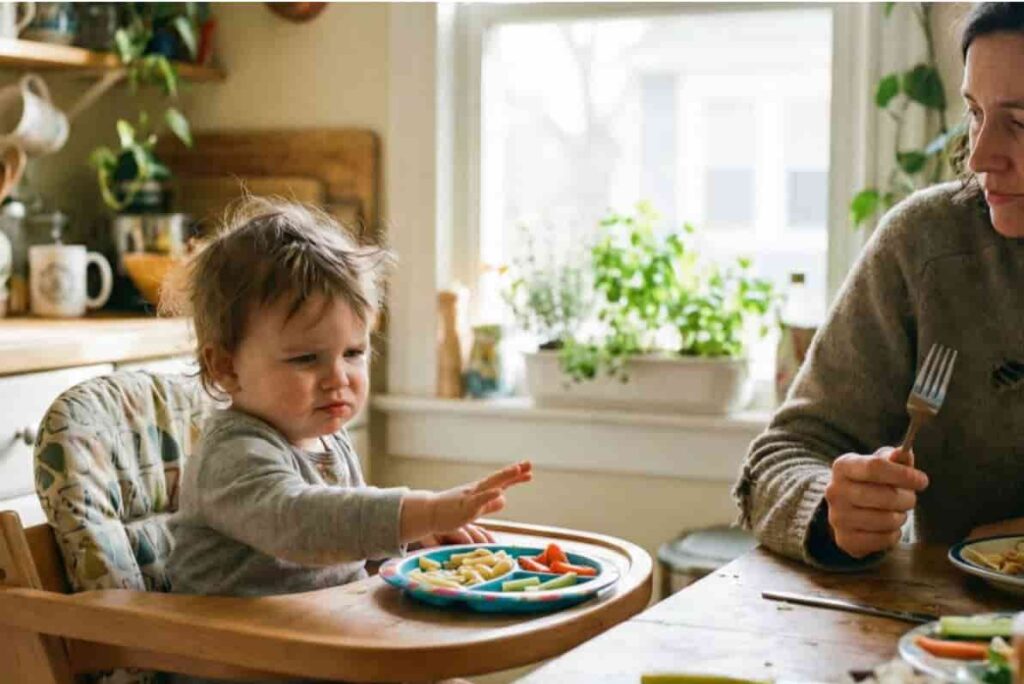
Finding Peace at the Dinner Table
Navigating the turbulent waters of toddlerhood is exhausting, and dealing with extreme picky eating often feels like an uphill battle. Remember that food jags are a normal, temporary expression of their developing independence and sensory awareness.
By shifting your focus away from calculating every calorie consumed and instead focusing on creating a joyful, pressure-free dining environment, you give your child a great gift. Consistency and emotional regulation will eventually guide your family out of this restrictive phase.
As you move forward this week, try to release the heavy burden of nutritional perfection. Celebrate the tiny victories,whether it is your toddler simply touching a new vegetable, allowing a different texture on their plate, or sitting happily at the table for five minutes.
You are laying a vital foundation for a lifetime of healthy relationships with food. Take a deep breath, trust the slow process, and know that you have all the tools you need to succeed.