Editor’s Note: The most effective cradle cap solutions involve gently massaging the infant’s scalp with natural, plant-based oils like cold-pressed jojoba or sweet almond oil, followed by soft brushing to remove the crusty flakes safely.
Infantile seborrheic dermatitis, commonly known as cradle cap, is a harmless condition characterized by yellow, greasy patches on a baby’s scalp. Pediatricians generally recommend starting with these gentle, non-invasive natural remedies before considering over-the-counter medicated shampoos.
By softening the scalp flakes first, parents can effectively manage this common newborn skin issue without causing irritation or disrupting the baby’s delicate skin barrier.
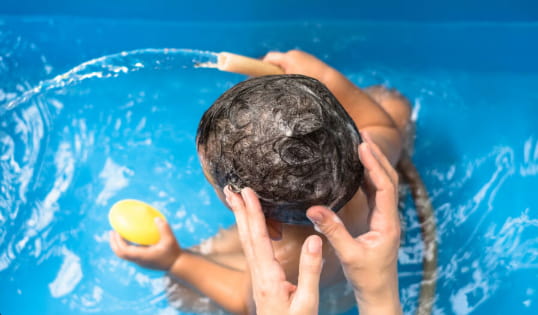
Parent’s Experience
Many parents worry when they first notice these thick, scaly patches on their perfect newborn’s head, and this is completely normal! I remember feeling a wave of anxiety when my own little one developed this crusty layer, wondering if I was doing something wrong with their hygiene routine. However, it is crucial to understand that this condition has absolutely nothing to do with poor hygiene or bad parenting.
It is a very natural part of early infancy that usually resolves on its own, but applying gentle cradle cap solutions can speed up the healing process and give us peace of mind while keeping our baby deeply comfortable.

Sebum Causes: Cradle Cap Triggers
The primary cause of cradle cap is observed to be an overproduction of sebum (natural skin oils) in the hair follicles, which traps dead skin cells and forms crusty yellow patches. According to pediatric dermatologists, this excess oil production is strongly linked to maternal hormones that remain in the baby’s bloodstream for several months after birth.
As these hormones circulate, they overstimulate the sebaceous glands on the infant’s scalp, eyebrows, and sometimes behind the ears. This overactivity creates the perfect environment for seborrheic dermatitis to develop, leading to the characteristic greasy scales that so many new parents notice during the first few weeks of life.
It is observed that the excessive oil production acts like a natural adhesive, binding old, shedding skin cells to the scalp instead of allowing them to fall away invisibly. This lipid buildup is precisely what creates the thick, yellowish crusts strongly associated with baby dandruff. Understanding this biological mechanism is essential because it highlights why harsh scrubbing or aggressive washing is counterproductive and potentially harmful to the infant.
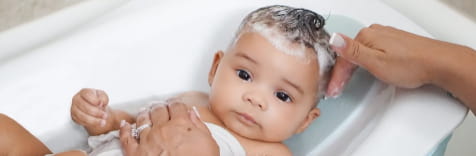
Instead of scraping the skin, the primary focus must shift towards gently dissolving the lipid bonds holding the scales together. When parents grasp this concept, they are much better equipped to choose appropriate infant skin care methods that soothe the epidermal layers.
Maternal Hormones and Infant Sebum Overproduction
Maternal hormones passed through the placenta before birth are scientifically considered the main trigger for stimulating the newborn’s sebaceous glands, leading to excessive sebum production.
During the final trimester of pregnancy, a significant transfer of androgens occurs from mother to child, which temporarily programs the baby’s oil glands to work in absolute overdrive.
As these residual maternal hormones slowly metabolize and fade from the infant’s system over the first six to twelve months, the overproduction of oil typically subsides on its own. This physiological timeline perfectly explains why most mild cases of infantile seborrheic dermatitis naturally clear up by the time the child reaches their first birthday.

Many parents worry that their baby’s skin will remain oily or problematic forever, but this hormonal phase is temporary, and feeling concerned about it is completely normal. While the hormones are still highly active, applying targeted cradle cap solutions can help manage the visible symptoms effectively and safely.
Pediatricians strongly advise that patience is key during this period; aggressive chemical interventions can disrupt the natural hormonal balancing act happening within the baby’s body.
Malassezia Yeast: The Fungal Connection to Scalp Flakes
A naturally occurring yeast called Malassezia, which thrives purely in sebum-rich environments, is identified by medical professionals as a significant contributing factor to recurring cradle cap flare-ups. This specific type of fungus lives harmoniously on the skin of most humans, but the excess oil on an infant’s scalp provides an unusually abundant food source.
As the Malassezia yeast rapidly digests the sebum, it produces oleic acid, a biological byproduct that can deeply irritate the sensitive top layer of the skin. This unseen irritation accelerates the shedding of skin cells, which then instantly mix with the excess oil to form the characteristic thick, yellow scalp flakes.
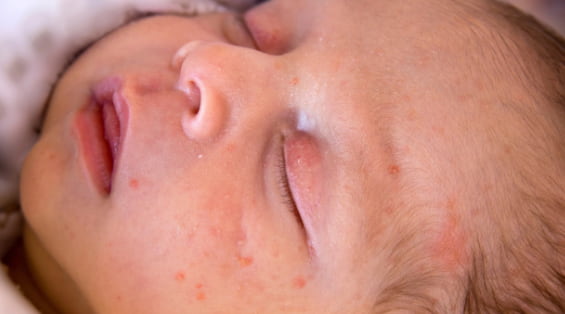
Addressing the fungal aspect of the condition requires a balanced approach to scalp hygiene rather than aggressive antifungal treatments, which are rarely needed for standard mild cases. Clinical observations indicate that simply reducing the excess oil through proper, gentle cleansing can naturally starve the yeast, bringing its population back to healthy levels.
This is exactly why many highly praised cradle cap solutions focus on dissolving the lipid buildup, indirectly removing the rich environment where the yeast thrives.
TOP Cradle Cap Solutions: Natural Remedies
The safest and most effective cradle cap solutions involve applying natural, cold-pressed plant oils to soften the scales, followed by the careful use of a soft-bristled baby brush. Unlike synthetic mineral oils or heavy petroleum-based products, pure botanical oils closely mimic the skin’s natural lipids, allowing them to penetrate the crusty layers deeply and safely.
Dermatological studies frequently highlight the remarkable efficacy of ingredients like jojoba, almond, and coconut oil in maintaining the delicate integrity of the infant skin barrier. By incorporating these natural moisturizers into your baby’s routine, you can effectively loosen the stubborn flakes without ever relying on harsh chemicals.
When choosing the right hydrating oil for your baby, it is critical to prioritize organic, unrefined options that are totally free from added fragrances or synthetic preservatives. These harsh chemical additives are known to potentially trigger allergic contact dermatitis in highly sensitive infants.
To help you smoothly navigate the best botanical options for your little one, here is a structured comparison of the most popular natural oils used in effective cradle cap treatment:
After the chosen organic oil has effectively softened the scalp flakes, the physical removal process must be handled with extreme care to avoid damaging the underlying epidermis. Using specific grooming tools and techniques is highly recommended by childcare experts to ensure total safety:
- Always use a specialized, soft-bristled baby brush or a medical-grade silicone scalp massager.
- Brush in incredibly gentle, circular motions without applying any downward physical pressure.
- Wash the hair immediately afterward with a mild, tear-free baby shampoo to remove excess oil. Following these structured steps guarantees that your chosen cradle cap solutions are completely safe, turning a grooming task into a soothing bonding experience.
Plant-Based Oils: Hydrating the Scalp Safely
Utilizing pure, plant-based oils is considered the absolute gold standard in natural cradle cap care because they safely dissolve lipid-based crusts while nourishing the underlying skin. Jojoba oil is particularly praised by holistic pediatricians due to its unique molecular structure, which closely resembles human sebum, making it highly unlikely to clog pores.
Similarly, sweet almond oil offers a very rich dose of Vitamin E, which is known to support active skin healing and reduce local inflammation caused by the yellow scales. By wisely choosing these botanical options over synthetic alternatives, parents actively protect their vulnerable child from unwanted daily chemical exposure.
It is important to note that while olive oil is a popular household remedy, recent dermatological research suggests it may occasionally weaken the skin barrier in sensitive individuals. Therefore, opting for much safer alternatives like grapeseed or apricot kernel oil is generally recommended when exploring natural cradle cap solutions.

Gentle Exfoliation Techniques for Infant Scalps
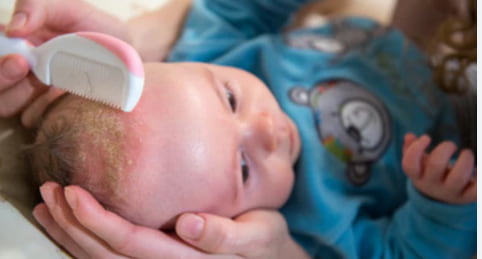
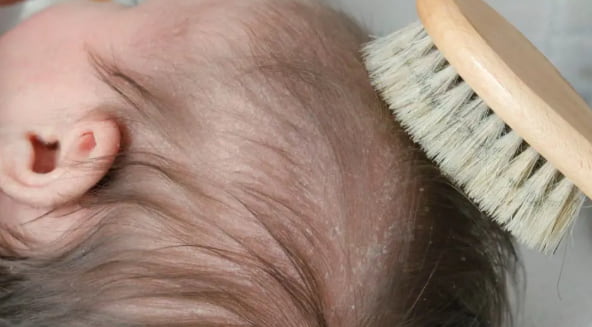
The secret to highly safe exfoliation lies in using a dedicated cradle cap brush with ultra-soft bristles to physically sweep away the softened scales without scraping the raw skin. After the applied natural oils have had sufficient time to break down the tight adhesive bonds of the crusts, mechanical removal becomes incredibly easy and painless for the infant.
Silicone brushes or fine-toothed baby combs are excellent grooming tools, provided they are used with an exceptionally light touch, keeping the comb parallel to the scalp. This gentle friction not only clears the flaky skin, but it also stimulates local blood circulation, promoting a healthier scalp environment.
Pediatricians strongly advise against picking or aggressively scratching the scales with adult fingernails, as this approach can cause micro-tears in the skin, inviting painful bacterial infections.
Routine: Long-Term Cradle Cap Prevention
Preventing the frustrating recurrence of cradle cap requires establishing a consistent, gentle bath time routine that regulates scalp oil production without stripping away the baby’s natural protective moisture barrier.
Experts emphasize that overwashing a baby’s very delicate hair can trigger a severe rebound effect, prompting the sebaceous glands to produce even more oil to compensate.
Washing the infant’s hair just two to three times a week with a mild, plant-based baby shampoo is generally considered the optimal frequency for maintaining a clean, balanced scalp. This balanced approach ensures that excess sebum and dead skin cells are removed regularly, preventing the initial stubborn buildup.
Creating a deeply soothing environment during this routine is just as important as the products you use, transforming a highly functional task into a beautiful opportunity for deep parent-child bonding. Integrating a very gentle scalp massage into the washing process not only helps in distributing the natural oils evenly but also physically relaxes the baby, promoting better sleep quality.
It is observed that infants who receive regular, gentle tactile stimulation show significantly lower stress levels, which indirectly supports their overall immune and skin health. By thoughtfully making these cradle cap solutions a calm and enjoyable part of the week, parents effectively monitor the scalp’s condition.
Frequently Asked Questions (FAQ)
Does cradle cap cause permanent hair loss in infants?
In most standard cases, the condition itself absolutely does not cause hair loss; however, if the thick crusts are aggressively picked or peeled off, attached hair follicles can be pulled out.
Is it safe to leave pure coconut oil on my baby’s scalp overnight?
While virgin coconut oil is an undeniably excellent natural moisturizer, pediatric dermatologists generally do not recommend leaving any heavy oil on an infant’s scalp for the entire night.
When should I definitely see a doctor for my baby’s scalp flakes?
You should promptly consult a pediatrician if the applied natural cradle cap solutions show absolutely no improvement after several weeks, or if the affected areas become severely red, swollen, or ooze.