Editor’s Note The Dunstan Baby Language is a scientifically observed framework that identifies five universal pre-cry sounds based on newborn physiological reflexes, helping parents decode specific needs like hunger or sleepiness.
According to early childhood experts, the Dunstan Baby Language empowers caregivers to interpret infant crying patterns accurately before they escalate into distress.
Listening closely to these pre-cry vocalizations is observed to significantly reduce maternal stress and allow for faster, more highly effective responses to a newborn’s biological demands.

When I first brought my son home, the overwhelming symphony of his newborn cries left me feeling entirely helpless during those long, sleepless nights. I remember pacing the hallway, desperately trying to decode what each wail meant, wondering if I was failing at this profound journey.
Discovering this auditory framework helped me realize his cries were a highly sophisticated survival mechanism, not just random noise.

The Science Behind Dunstan Baby Language
The underlying science relies on the biological reality that all human infants possess involuntary physiological reflexes that inherently alter the shape of their vocal tract, producing predictable sounds. When a baby experiences a specific physical sensation, such as an empty stomach, their body reacts with a distinct phonetic reflex.
Many new parents worry excessively about their inability to instantly soothe their child, but this is completely normal; it simply takes time to attune your ear to these highly subtle, reflex-driven vocalizations.
Pediatric researchers observe that these early pre-cries are fundamentally different from the behavioral tantrums exhibited by older toddlers during later developmental milestones. During the first three months, a newborn lacks the cognitive capacity to intentionally manipulate caregivers through deceptive crying.
Every vocalization is an urgent, purely biological plea for fundamental homeostasis, making the Dunstan Baby Language a highly reliable tool for infant care. Focusing strictly on the phonetic structure of the cry rather than its volume allows caregivers to easily intercept acute distress.
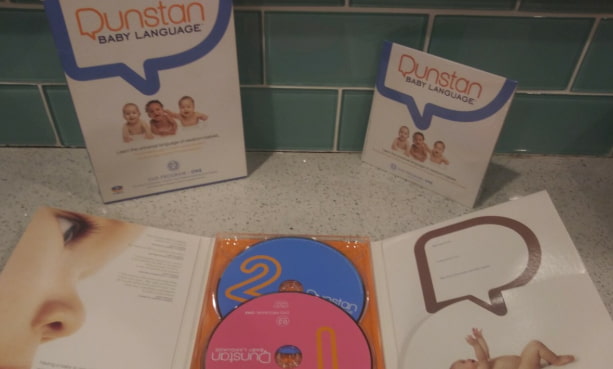
Infant Attachment, Dunstan Language and Cortisol Levels
Implementing this auditory methodology has been widely observed to foster a much deeper, more secure infant attachment style between the newborn and their primary caregivers. When a mother consistently meets a physiological need promptly—such as feeding exactly when the hunger reflex triggers—the infant’s nervous system registers profound safety.
This highly responsive parenting approach not only minimizes acute crying spells but also significantly lowers systemic cortisol levels in both the exhausted parent and the rapidly developing child, ensuring better overall well-being.
Understanding Universal Newborn Reflexes
Universal newborn reflexes are involuntary survival mechanisms hardwired into the brainstem, automatically governing breathing and digestion, which inadvertently push air through the vocal cords in highly specific phonetic patterns.
According to pediatric neurologists, these critical reflexes are remarkably consistent across entirely different cultures and languages, strongly suggesting that early infant communication is biological rather than learned.
Understanding these exact physical mechanics provides a solid foundation for actively decoding your baby’s most urgent needs without second-guessing your maternal instincts.

To truly master this unique auditory system, it is crucial to carefully recognize exactly how these physical reflexes manifest before the baby escalates into hysterical crying.
- Sucking Reflex: Triggers the tongue to press the palate, producing a distinct sound indicating acute caloric hunger.
- Yawning Reflex: Alters the oral cavity’s shape into an oval, resulting in a hollow vocalization for severe sleepiness.
- Burping Reflex: Forces the diaphragm to actively contract to expel trapped upper gastrointestinal gas, creating a sharp, repetitive auditory cue.
Dunstan Baby Language: Decoding Five Universal Cries
The core methodology categorizes infant vocalizations into five reflex-based sounds: Neh (hunger), Owh (sleepiness), Heh (discomfort), Eairh (lower gas), and Eh (need to burp). By meticulously isolating the very first sound a baby makes, parents can surgically pinpoint the exact biological intervention required.
Many parents feel overwhelming anxiety when trying to memorize all these sounds simultaneously, and this is completely normal; focusing on just one or two primary cues initially makes the learning process significantly more manageable and far less stressful.
The true secret to successfully utilizing the Dunstan Baby Language lies in observing the infant’s accompanying physical body language alongside the specific auditory signal. For instance, a typical hunger cry is almost always paired with aggressive rooting behaviors, where the infant frantically turns their head.

Conversely, a cry indicating lower intestinal gas is typically accompanied by the baby stiffening their core and pulling their fragile knees sharply toward their abdomen. Combining visual cues with auditory identification reliably yields the highest soothing success rate.
The Dunstan Language and Body Language Table
To help you seamlessly integrate this powerful knowledge into your chaotic daily parenting routine, we have meticulously compiled a structured reference guide detailing each specific sound and corresponding reflex.
| Sound Cue | Primary Meaning | Physiological Reflex | Accompanying Body Language |
| Neh | Acute Hunger | Sucking reflex | Rooting, sucking on hands |
| Owh | Sleepiness | Yawning reflex | Eye rubbing, arching back |
| Heh | Physical Discomfort | Skin reflex (temperature) | Squirming, general restlessness |
| Eairh | Lower Intestinal Gas | Bowel reflex | Knees to chest, tight fists |
| Eh | Need to Burp | Diaphragmatic reflex | Chest spasms, squirming |
Recognizing ‘Neh’ (Hunger) and ‘Owh’ (Sleepiness)
The ‘Neh’ sound is strictly driven by the infant’s sucking reflex, where the tongue hits the roof of the mouth, creating a distinct ‘N’ consonant that signals an immediate need for feeding. As the baby instinctively attempts to suckle while simultaneously crying out, this vocalization becomes incredibly pronounced.
Experts observe that responding to the ‘Neh’ sound immediately prevents the baby from swallowing excess air during a frantic feeding session, which ultimately reduces the likelihood of subsequent painful gas buildup in the fragile digestive tract.

Conversely, the ‘Owh’ vocalization is the direct biological byproduct of a suppressed yawn, strongly indicating that the infant’s highly stimulated nervous system is desperately craving restorative sleep.
The mouth takes on a distinct oval shape, and the resulting sound is uniquely elongated and hollow, closely mimicking an adult’s exhausted sigh.
Identifying this crucial pre-cry empowers caregivers to initiate established sleep routines well before the infant becomes dangerously overtired, which is notoriously the most difficult emotional state from which to soothe a developing newborn.
Identifying ‘Eh’, ‘Eairh’, and ‘Heh’ (Discomfort and Gas)
The short ‘Eh’ sound indicates a trapped upper air bubble requiring an immediate burp, while the deeper, strained ‘Eairh’ sound forcefully signals painful lower intestinal gas passing through the bowels. The ‘Eh’ sound is heavily focused in the chest cavity, often occurring shortly after a feeding session when the diaphragm attempts to expel air.
In stark contrast, the ‘Eairh’ sound is noticeably guttural and prolonged, serving as a physiological warning that the baby requires gentle abdominal massages to alleviate severe intestinal bloating.
The final universal sound, ‘Heh’, acts as a general auditory alarm for acute physical discomfort, such as a heavily soiled diaper, restrictive clothing, or an uncomfortably warm room temperature.

This specific vocalization lacks the distinct consonants of the other biological reflexes and often sounds breathy, raspy, or slightly panicked as the baby physically squirms to escape the irritating sensation.
By quickly eliminating potential environmental stressors upon hearing the ‘Heh’ cry, parents can seamlessly restore their baby’s comfort and prevent the situation from unnecessarily escalating.
Empowering Parents: Actionable Steps for Infant Soothing
Integrating this auditory system into your routine involves proactively listening to your baby’s subtle pre-cries and maintaining a calm, observant demeanor during highly stressful moments. The most effective approach is taking a deep, grounding breath the moment your newborn begins to fuss, purely focusing on the phonetic structure of their tiny voice.
A lot of parents naturally panic and resort to frantic bouncing, which is completely normal; however, pausing for just five seconds to actively listen can entirely change the soothing trajectory.
Consistency is absolutely paramount when attempting to decode your infant’s unique vocal patterns, as your own auditory recognition skills will naturally improve through dedicated, daily repetition.
It is highly recommended to gently repeat the exact sound you hear back to your baby, confirming your active presence while simultaneously training your own brain to effortlessly categorize these distinct infant communication cues.
Over a few short weeks, this highly conscious listening exercise transforms into an intuitive, second-nature parental reflex, drastically reducing standard newborn care guesswork.

Infant Soothing and Self-Compassion
Ultimately, embracing this scientifically supported auditory framework gracefully transitions you from a state of anxious reaction to a stable position of confident, proactive infant soothing.
You are no longer merely surviving the notoriously challenging fourth trimester; you are actively communicating with your child, deeply validating their most basic biological needs, and building an unbreakable foundation of maternal trust.
By remaining intensely observant and practicing radical self-compassion when misinterpreting a cue, you foster a deeply peaceful environment where your developing baby can truly thrive.
Frequently Asked Questions (FAQ) and Answers
This section strictly provides highly specific, expert-backed answers to the most common long-tail search queries regarding the practical, everyday application of this unique infant communication system.
At what exact age does the Dunstan Baby Language typically stop being an effective soothing tool for newborns?
According to developmental specialists, these universal reflex-driven sounds are most prominent and reliable exclusively during the first twelve to sixteen weeks of a newborn’s life.
Afterward, as cognitive abilities rapidly mature, infants transition from biological reflexes to intentional, purposeful babbling.
Can this specific auditory framework accurately identify symptoms of clinical colic or severe infant acid reflux?
While this methodology is phenomenally effective for identifying standard baseline physiological needs, it is absolutely not a diagnostic medical tool for chronic pediatric health conditions.
The ‘Eairh’ and ‘Eh’ sounds can certainly help parents actively manage painful symptoms associated with mild gastrointestinal distress, but they cannot cure underlying medical anomalies.
If an infant displays inconsolable, rigid crying that persists for hours, caregivers are strongly advised to consult a certified pediatrician immediately.
Is it normal for my baby to combine multiple universal sounds into one continuous, confusing crying session?
Yes, it is incredibly common for an infant to rapidly stack their physiological cues, particularly if their initial pre-cries were unfortunately missed or accidentally ignored by exhausted caregivers.
A baby may initially vocalize ‘Neh’ for extreme hunger, swallow excessive air while crying, and subsequently transition into frantic ‘Eh’ sounds because they now desperately need to burp.
Experts highly recommend always addressing the absolute most urgent biological need first—typically acute hunger—before systematically resolving the remaining discomforts.