Editor’s Pick: Babies need iron-rich foods starting at 6 months because their natural iron reserves from pregnancy begin to deplete, and introducing iron sources like pureed meats, fortified cereals, and legumes helps prevent developmental delays associated with iron deficiency anemia.
Pediatricians observe that maintaining adequate iron levels is crucial for a baby’s neurological development and hemoglobin production. According to experts, the transition to solid foods at the six-month mark must prioritize iron-rich foods to support this rapid physical and cognitive growth phase.
Utilizing a mix of animal-based and plant-based iron sources, while actively avoiding cow’s milk as a primary drink before age one, is generally recommended by healthcare professionals to optimize nutrient absorption and protect long-term infant health.
Parents’ Experience about Iron-Rich Foods
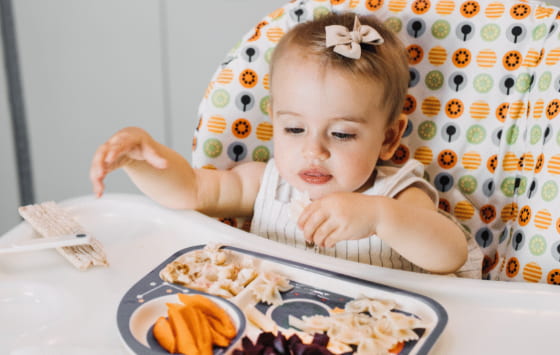
Many parents worry deeply when they start weaning, constantly wondering if their little one is getting enough nutrients from those few messy bites; believe me, this anxiety is completely normal and shows how much you care. In my own parenting journey, I vividly remember stressing over every spoonful of spinach or puree, terrified of anemia.
But I quickly learned that starting solids isn’t about perfectly measured milligrams; it’s about exploring tastes joyfully. When we shift our focus from a rigid dietary checklist to offering colorful, nutrient-dense options with a smile, mealtime transforms from a stressful duty into a beautiful bonding experience.
Iron Reserves and Infant Development: 6-Month Matters
During the third trimester of pregnancy, babies build up a natural reserve of iron that sustains them through their first months of life. However, pediatric hematology experts note that these maternal stores naturally begin to deplete around the six-month mark. This biological timeline perfectly coincides with the developmental readiness for solid foods and the fading of the tongue-thrust reflex.
Introducing iron-rich foods at this specific juncture is vital, as breast milk alone, while incredibly beneficial for immunity, no longer provides the sufficient iron required to support the baby’s exponentially expanding blood volume and rapid brain growth.
The necessity of iron goes far beyond just building red blood cells; it serves as a fundamental building block for healthy cognitive function. Iron plays a structural role in creating myelin, the protective sheath around nerve fibers that facilitates fast communication within the brain.
According to neurological studies, prolonged iron deficiency during this sensitive window is sometimes linked to subtle, long-term cognitive and motor skill delays. Therefore, ensuring a steady intake of dietary iron acts as a protective foundation for your baby’s future learning capabilities and overall physical vitality.
Dietary Iron Intake and Nutritional Milestones
Navigating this nutritional milestone can feel overwhelming, but understanding the mechanics of iron absorption empowers parents to make confident, stress-free choices. It is generally observed that babies need about 11 milligrams of iron per day between 7 and 12 months, which is surprisingly high relative to their small body size.
By consciously curating a daily menu that features easily digestible dietary iron intake, caregivers can effortlessly bridge the gap between depleting natural stores and the high demands of infant growth, ensuring a smooth and healthy weaning journey.
Heme vs. Non-Heme Iron: Understanding Bioavailability
When selecting iron-rich foods for your baby’s plate, it is essential to distinguish between the two primary forms of dietary iron: heme and non-heme. Heme iron is exclusively found in animal products such as red meat, poultry, and fish.
Dietitians point out that heme iron boasts a high bioavailability, meaning it is easily and efficiently absorbed by the baby’s digestive system without requiring additional nutritional catalysts. Offering finely pureed or slow-cooked meats is widely considered one of the most direct and effective ways to boost an infant’s iron stores and prevent the onset of early anemia.
Conversely, non-heme iron is derived from plant-based sources like lentils, beans, dark leafy greens, and fortified baby cereals. While these foods are incredibly nutritious and packed with essential digestive fibers, non-heme iron inherently has a lower absorption rate compared to its animal-based counterpart.
Experts suggest that parents raising vegetarian or vegan babies must pay closer attention to strategic food combinations to maximize this nutrient’s uptake. Balancing both forms of iron ensures a diversified gut microbiome and a well-rounded nutritional profile for growing toddlers.
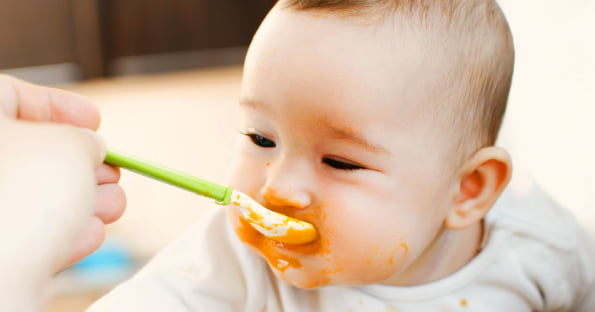
Top Iron-Rich Foods for Babies: A Nutrient-Dense Plate
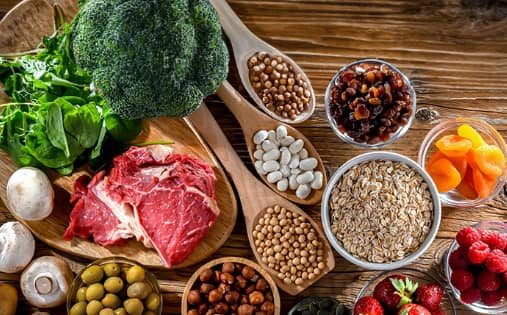
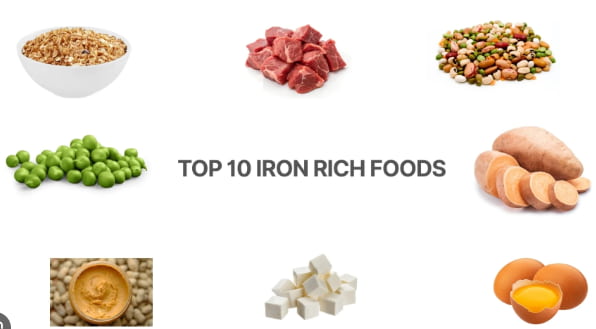
Building a baby-friendly menu requires identifying ingredients that are both high in nutritional value and safe for a developing swallowing reflex. Among the best iron-rich foods, dark poultry meat, liver, and beef stand out as premium sources of highly absorbable heme iron.
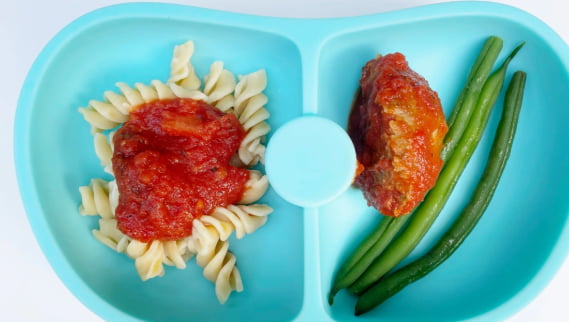
For parents following baby-led weaning, offering these meats as soft, easy-to-grasp strips or blending them into smooth purees ensures the baby can safely consume them. Nutritionists often emphasize that introducing these savory, iron-dense flavors early helps shape a child’s palate, making them more receptive to a varied and healthy diet in the future.
Plant-based ingredients also play a massive role in creating an iron-fortified diet for your little exploring eater. Legumes like chickpeas, lentils, and black beans are excellent sources of non-heme iron, alongside fortified oat or barley cereals specifically designed for infants.
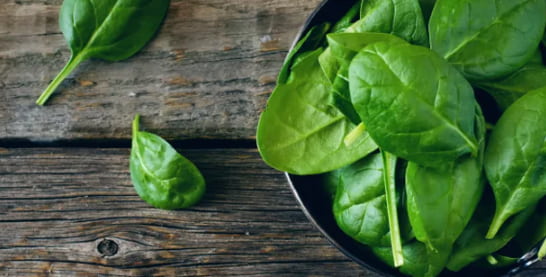
Dark leafy greens such as spinach and kale provide a wealth of vitamins, though their iron is slightly harder for the infant body to extract efficiently. By consistently rotating these plant-based iron sources, parents can effortlessly provide a rich tapestry of textures and tastes that support overall digestive health and immune function.
Iron-Rich Foods’ Benefits Table for Babies and Kids
To make meal planning easier and more visual, categorizing these ingredients helps busy caregivers structure daily meals without added stress. Combining different food groups not only prevents mealtime boredom but also optimizes the synergistic effects of various nutrients working together in the gut.
Below is a structured guide detailing the primary categories of iron-rich foods, highlighting their typical preparation methods and the underlying nutritional benefits they offer to transitioning infants.
| Food Category | Specific Iron-Rich Examples | Safe Preparation for Babies | Nutritional Benefit (Why?) |
| Animal Proteins | Beef, chicken thighs, chicken liver, sardines | Pureed smooth, slow-cooked until shreddable, or soft meatballs. | Provides highly bioavailable heme iron, crucial for rapid hemoglobin production. |
| Legumes & Beans | Lentils, chickpeas, black beans, edamame | Cooked until very soft, mashed into a paste, or blended into hummus. | Offers dense non-heme iron alongside digestive fiber and plant protein. |
| Fortified Grains | Iron-fortified oatmeal, barley cereal, quinoa | Mixed with breast milk or formula to a manageable, creamy consistency. | Acts as a reliable, daily baseline of iron intake, especially for picky eaters. |
| Vegetables & Seeds | Spinach, broccoli, crushed chia or hemp seeds | Steamed until tender, pureed, or sprinkled finely over other soft foods. | Supplies complementary non-heme iron, antioxidants, and essential fatty acids. |
The Vitamin C Connection: Boosting Iron Absorption Naturally
One of the most effective nutritional strategies for preventing anemia involves pairing iron-rich foods with ingredients high in Vitamin C. Ascorbic acid, or Vitamin C, acts as a powerful catalyst that binds to non-heme iron in the digestive tract, transforming it into a format that the infant’s body can easily absorb.
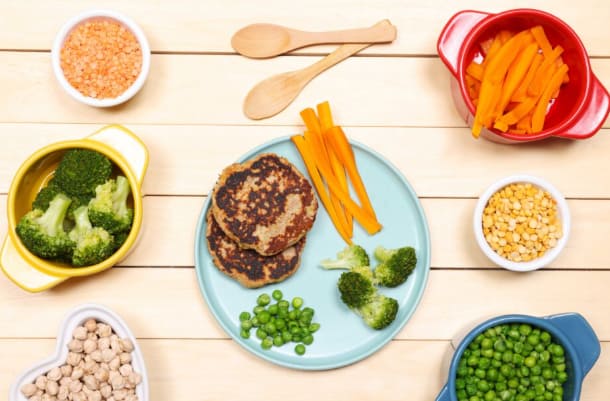
Pediatric nutritionists frequently recommend serving a side of strawberries, sweet potatoes, or bell peppers alongside a bowl of iron-fortified oatmeal or lentil puree. This simple, flavorful culinary pairing is observed to increase the absorption rate of plant-based iron by up to three times.
Furthermore, parents must be mindful of dietary components that actively inhibit iron absorption during these critical meals. Calcium is known to intensely compete with iron in the absorption process, which is why experts strongly advise against introducing cow’s milk as a main drink before the first birthday.
Additionally, serving dairy products like yogurt or cheese in the exact same meal as high-iron foods can slightly reduce the overall iron uptake. By strategically timing meals and utilizing Vitamin C boosters, caregivers can create a highly efficient nutritional environment for their growing babies.
Infant Anemia Symptoms: Recognizing the Hidden Signs
Identifying a potential iron deficiency in infants can be challenging, as the early symptoms are often subtle and easily mistaken for typical, everyday baby behavior. One of the most common signs observed by pediatricians is an unusual lethargy or a noticeable, prolonged drop in the baby’s overall energy levels.
If a previously active baby becomes consistently fatigued, loses interest in playing with their surroundings, or shows a persistent lack of appetite, it may indicate that their body is struggling to produce enough oxygen-carrying red blood cells due to insufficient iron-rich foods in their daily diet.
Physical indicators can also provide vital clues regarding an infant’s internal iron status. Parents might notice a distinct pallor in the baby’s skin, particularly around the nail beds, the inner lining of the eyelids, or the lips, which may appear noticeably less pink than usual.
Additionally, infants suffering from mild to moderate anemia may exhibit frequent irritability, unexplained fussiness, or an increased susceptibility to common respiratory infections. According to healthcare professionals, these physical and behavioral changes warrant a prompt consultation with a pediatrician to safely assess the baby’s hemoglobin levels through a simple blood test.
Frequently Asked Questions (FAQ) About Iron-Rich Foods
When exactly should I start giving my baby iron-rich foods?
The introduction of iron-dense ingredients should align perfectly with the commencement of solid foods, which typically occurs around six months of age. At this stage, the maternal iron stores begin to fade, making external dietary sources absolutely essential for continued cognitive and physical growth.
Pediatric guidelines suggest that the very first purees or baby-led weaning foods offered should heavily feature iron-rich foods like fortified cereals or pureed meats to immediately bridge this critical nutritional gap.
Can a vegetarian baby get enough iron without eating meat?
Yes, it is entirely possible to raise a healthy, iron-sufficient baby on a vegetarian diet, though it requires much more mindful meal planning from the parents. Because non-heme iron from plants is harder for the body to absorb, vegetarian parents must rely heavily on lentils, beans, dark leafy greens, and iron-fortified grains.
To maximize absorption and prevent deficiency, experts strongly recommend pairing these plant-based iron sources with Vitamin C-rich foods, like citrus fruits or tomatoes, at every single meal.
Are there specific foods that block iron absorption in infants?
Yes, certain nutritional compounds can actively hinder the body’s ability to absorb dietary iron effectively. Calcium is the primary inhibitor, which is the main reason pediatricians strictly advise against offering cow’s milk as a beverage to babies under twelve months old.
While small amounts of yogurt or cheese are perfectly fine as snacks, it is observed that serving large portions of dairy simultaneously with iron-rich foods can decrease iron uptake, so staggering these different food groups throughout the day is a highly recommended practice.