Editor’s Choice: Successful pacifier weaning requires transitioning your toddler with gentle, imaginative strategies rather than abrupt removal, ensuring their emotional security remains completely intact. For many parents, the beloved pacifier has been an absolute lifesaver for soothing a fussy baby and promoting deeper sleep.
However, as your child enters the active toddler years, relying heavily on this artificial self-soothing tool can begin to hinder their natural baby development. Moving away from it doesn’t have to be a battle of wills, a source of endless tears, or a traumatic experience for the entire household.
By embracing creative approaches like the magical Paci Fairy and understanding the psychological readiness of your child, you can turn a potentially stressful milestone into a joyful celebration. Pediatric experts emphasize that gradual, supportive transitions build lasting confidence in young children.
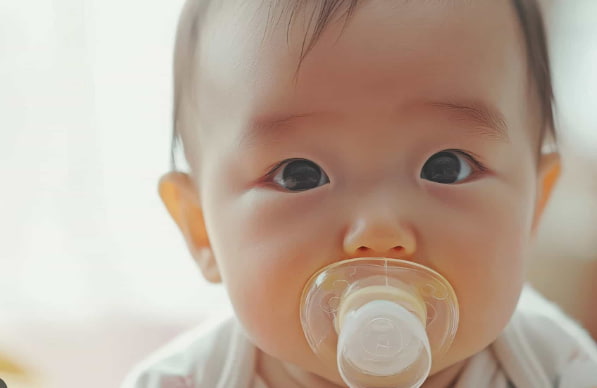
This comprehensive guide explores actionable, stress-free weaning methods that prioritize your child’s emotional well-being while actively safeguarding their long-term oral health and critical early communication skills.
Understanding the Right Time for Pacifier Weaning
The ideal window for pacifier weaning is generally between twelve and twenty-four months, right before the habit becomes a deeply ingrained emotional crutch and begins to impact dental alignment. The American Academy of Pediatrics (AAP) and pediatric dentists highly recommend beginning the weaning process around the one-year mark to minimize the risk of developing ear infections and dental malocclusions.
At this developmental stage, toddlers are becoming highly engaged with their physical environment and are rapidly developing alternative coping mechanisms for stress and frustration.
Waiting until a child is three or four years old significantly increases the emotional difficulty of the transition, as the soothing habit transitions from a physical reflex to a deep psychological dependency.
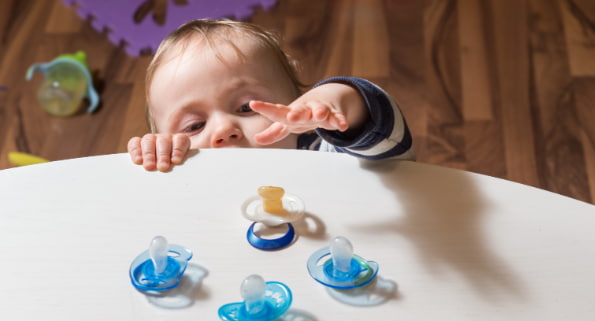
When children use pacifiers excessively during their toddler years, it can inadvertently mask underlying emotional needs that should ideally be addressed through parental connection or verbal expression.
Sleep Associations and Weaning
Recognizing your child’s subtle cues of readiness, such as spitting it out during playtime or sleeping through the night without it, can naturally guide your timing.
Furthermore, an extended reliance on artificial soothers can severely disrupt natural sleep associations, meaning your toddler might struggle to connect sleep cycles if the pacifier falls out of their crib. Teaching self-soothing techniques that do not rely on an external object empowers your child to self-regulate their nervous system independently.
By phasing out the pacifier thoughtfully, parents lay a robust foundation for healthier sleep hygiene and resilient emotional intelligence as the child transitions seamlessly into the preschool years.
Dental and Speech Development Concerns
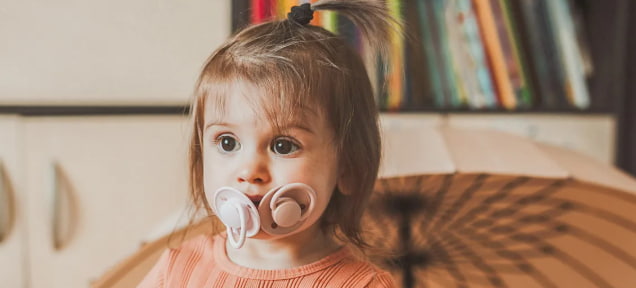
Prolonged pacifier use beyond age two frequently leads to structural dental issues like an anterior open bite and can significantly delay crucial speech development milestones. When a foreign object constantly occupies a child’s mouth, it alters the natural resting posture of the tongue and the physical development of the jawbone.
Pediatric speech-language pathologists warn that toddlers with a constant pacifier are much less likely to babble, practice new consonant sounds, or engage in spontaneous verbal interactions, which are absolutely critical for early language acquisition.
Beyond severe language delays, the physical pressure exerted by aggressive sucking can push the upper front teeth forward, creating an open bite that may later require extensive orthodontic intervention.
The American Academy of Pediatric Dentistry highlights that while non-nutritive sucking is perfectly normal for infants, breaking the sucking reflex habit before the permanent teeth begin to shift is vital for maintaining a healthy, functional smile.
Early weaning actively protects both the clarity of your child’s articulation and their long-term oral architecture.
The Magic of the “Paci Fairy” Method
The Paci Fairy method leverages a toddler’s natural sense of magical thinking by having them voluntarily trade their pacifiers for a meaningful reward, effectively eliminating feelings of deprivation. This whimsical approach frames the transition not as a loss, but as an exciting rite of passage to becoming a big kid.
By telling a captivating story about a fairy who collects old pacifiers to give to new babies who desperately need them, you cultivate your child’s budding sense of empathy and generosity in a highly positive context.
Executing this magical exchange requires enthusiastic parental participation and a bit of theatrical flair to make the narrative convincing and deeply memorable. Together with your child, you can gather all the pacifiers from around the house, place them in a special decorated box, and leave them outside the bedroom door or on the porch before bedtime.
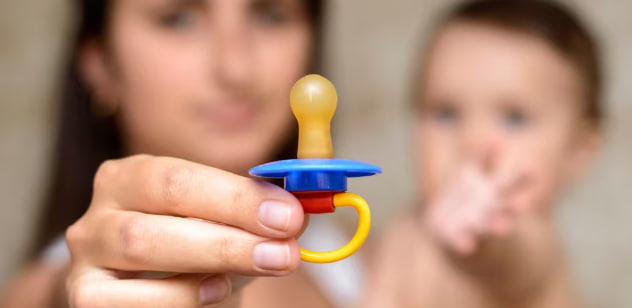
Weaning Process and Strategies!
Overnight, the weaning process is officially completed when parents secretly replace the box with an engaging new toy, a stack of special books, or a comforting plush animal.
The psychological brilliance of this strategy lies in giving the child a tangible sense of control and active participation in the complex decision-making process. Because they willingly gifted their pacifiers to the fairy, the inevitable moments of missing their binky are met with a gentle reminder of their own brave, generous choice rather than frustration directed at the parents.
This positive reinforcement dramatically reduces bedtime tantrums and fosters a profound sense of pride and accomplishment in their rapidly evolving toddler milestones.
Preparing Your Toddler for the Big Transition
Successfully executing the fairy exchange requires at least a week of gentle verbal preparation and reading themed children’s books to thoroughly familiarize your toddler with the upcoming milestone. You should never spring the concept on them suddenly, as abrupt changes to a toddler’s routine can trigger severe anxiety and challenging behavioral regressions.
Start casually mentioning the fairy’s impending visit, validating their feelings about saying goodbye, and enthusiastically discussing the exciting gift they will receive in return for their generosity.
Integrating storytelling into your daily routine helps the child process the impending separation from their beloved comfort object in a highly safe, imaginative space. Utilizing visual aids like countdown calendars or bright sticker charts can make the waiting period feel festive rather than daunting.
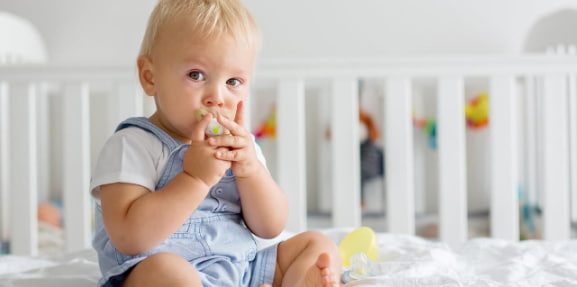
By consistently reinforcing the positive aspects of this emotional transition, parents establish a highly supportive environment where the child feels entirely safe, understood, and genuinely excited to embrace the next phase of their developmental journey without their pacifier.
Alternative Gentle Weaning Strategies
For children who may not respond to magical thinking, employing the gradual reduction method or the snipping technique offers highly practical, evidence-based alternatives for a seamless pacifier transition. The gradual reduction strategy involves methodically limiting pacifier access to specific times and places, such as exclusively during naps or inside the crib.
This environmental boundary physically separates the child from the object during active play, naturally decreasing their dependency while still providing essential comfort during their most vulnerable sleep-related transitions.
Another highly effective and widely endorsed approach is the snipping method, which fundamentally alters the physical satisfaction of the sucking habit without forcefully taking the item away. Over the course of a few weeks, parents discreetly snip a tiny portion off the tip of the pacifier, gradually increasing the size of the hole every few days.
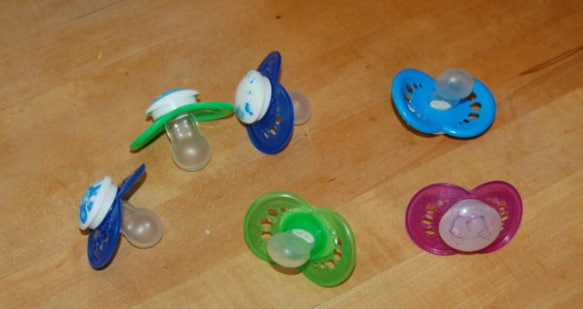
Preparation, Validation and Consistency
This deliberate alteration destroys the suction capability, rendering the pacifier completely unappealing and prompting the child to naturally lose interest. When executing these methods, remember three crucial rules:
- Preparation: Always communicate changes clearly before they happen.
- Validation: Acknowledge their sadness without rushing to fix it.
- Consistency: Never revert to old habits once the process begins.
To help parents select the most appropriate intervention for their family’s unique dynamics, evaluating the pros and cons of each structured approach is highly beneficial. Below is a detailed comparison of the most successful toddler weaning strategies utilized by pediatric professionals and experienced parents worldwide.
Primary Benefits Table for Weaning Strategies
Selecting the right method depends entirely on your child’s distinct temperament, cognitive maturity, and specific attachment style to their comfort object.
| Weaning Strategy | Primary Benefit | Potential Challenge | Ideal Age Range |
| Paci Fairy Method | High child engagement, low conflict | Requires magical thinking maturity | 2.5 – 3 Years |
| Gradual Reduction | Very gentle, respects emotional pace | Requires extreme parental consistency | 12 – 24 Months |
| Snipping Technique | Natural, self-guided loss of interest | Minor safety tracking required | 18 – 36 Months |
Frequently Asked Questions About Pacifier Weaning
Parents navigating the complexities of pacifier weaning frequently harbor intense concerns regarding sleep regressions and emotional outbursts, which can be effectively managed with consistent, soothing bedtime routines.
What should I do if my toddler outright refuses to sleep without the pacifier on the first night?
The most effective, pediatrician-approved response is to introduce an alternative comfort object, such as a soft security blanket or a safe stuffed animal, while remaining physically present to offer gentle back rubs until they fall asleep.
Will weaning my child cause permanent emotional trauma or severe separation anxiety?
Child development experts absolutely assure parents that as long as the transition is handled with deep empathy and support, it will not cause lasting psychological harm. In fact, learning to self-soothe without a physical prop is a vital component of building lifelong emotional resilience.
Offering extra daytime cuddles and validating their intense feelings of sadness helps them process the emotional loss in a remarkably healthy, constructive manner.
Is it okay to give the pacifier back if the tantrums become absolutely unbearable after a few days?
Consistency is the absolute golden rule in any behavioral transition. Giving the pacifier back after initiating the weaning process only teaches the child that escalating their distress will ultimately yield the desired result.
Hold your boundaries firmly but lovingly, acknowledging that the first three nights are typically the hardest before the child successfully adapts to their new, pacifier-free reality.

Embracing Your Child’s Newfound Independence
Successfully retiring the pacifier is a monumental milestone that marks your child’s beautiful progression into genuine independence and advanced emotional self-regulation. By applying the Paci Fairy method or other gentle reduction techniques, you have actively prioritized your toddler’s psychological safety over sheer convenience.
Every tear shed during the first few nights is merely a temporary hurdle on the path toward healthier sleep habits, clearer speech articulation, and a much more resilient, self-soothing child who is thoroughly ready to tackle upcoming preschool challenges.
Now is the perfect time to celebrate this incredible victory with your little one and constantly reinforce their brave transition into the big kid phase. Take a quiet moment to reflect on how far you’ve both come in this intricate journey of baby development, and don’t hesitate to share your unique weaning story with our supportive community.