Editor’s Note: Boosting your child’s immunity naturally is not about maintaining a sterile environment, but rather providing the essential nutritional and lifestyle building blocks that empower their developing defense systems to adapt and thrive. By proactively focusing on gut health, restorative sleep, and active outdoor play, parents can equip their children with a robust, natural shield against common seasonal illnesses. Pediatric immunologists emphasize that a child’s immune system is a highly dynamic, learning network.
It actually requires safe exposure to everyday natural microbes, supported heavily by a diet rich in phytonutrients and prebiotics, to mature effectively. This means that occasional sniffles are a normal part of the system “updating” its database, rather than a sign of parental failure or underlying weakness.

The immune system is like a muscle; it needs the right fuel and care to function at its best. While we cannot prevent every runny nose, we can certainly create an environment where our children’s bodies are strong, resilient, and ready to bounce back. This doesn’t require expensive supplements or magic potions. Instead, it relies on going back to basics:
- 1- wholesome food,
- 2- estful sleep, and
- 3- a loving, stress-free environment.

The Power of Nutrition: Eating the Rainbow
The old saying “you are what you eat” holds incredibly true for our growing children. Nutrition is the cornerstone of a healthy immune system because it provides the essential building blocks the body needs to create antibodies and fight off infections. A diet rich in whole foods, rather than processed snacks, ensures that your child gets the necessary vitamins and minerals without the inflammation caused by excess sugar.
Focusing on a diet high in fruits and vegetables is the most direct way to support health. You want to aim for a “rainbow” on their plate. Different colors in produce usually represent different phytonutrients; for example, orange vegetables like carrots and sweet potatoes are packed with beta-carotene (which converts to Vitamin A), while green leafy vegetables are full of iron and Vitamin C. These nutrients specifically strengthen the body’s barrier against infection, acting as the first line of defense.

However, nutrition isn’t just about vitamins; it is also about hydration. Water helps carry oxygen to body cells and flushes out toxins that can cause illness. For babies under six months, breast milk or formula provides all the hydration they need, but as they grow into toddlers, ensuring they drink enough water is vital.
Breastfeeding and Gut Health
For infants, breast milk is often referred to as “liquid gold” for a reason. It contains turbo-charged antibodies and white blood cells directly from the mother, which help the baby fight against viruses and bacteria. It also plays a massive role in establishing a healthy gut microbiome, which is where a significant portion of the immune system lives.
If breastfeeding isn’t an option for your family, don’t worry. You can still support your baby’s gut health through formula and, later, solid foods rich in probiotics. Introducing yogurt (if age-appropriate) or foods rich in fiber helps feed the “good bacteria” in their tummy, creating a strong internal army ready to boost your child’s immunity.
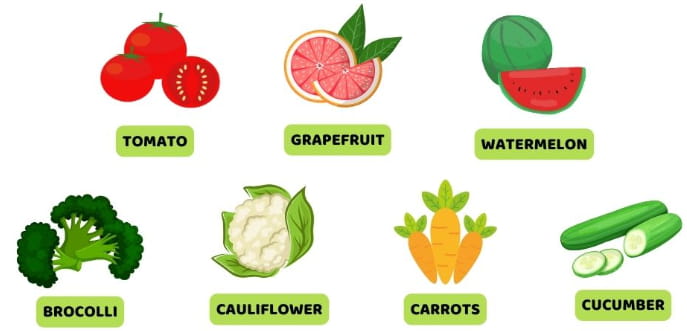
For Immunity: Superfoods for Little Tummies
When your child moves to solid foods, incorporating garlic, onions, and ginger can be surprisingly beneficial. These ingredients have natural antimicrobial and anti-inflammatory properties. While you might think these flavors are too strong for a baby, using them in small, cooked amounts in soups or purees can gently introduce their benefits.
Additionally, foods rich in Vitamin C, such as strawberries, bell peppers, and citrus fruits, are non-negotiable staples. Vitamin C is crucial because it increases the production of white blood cells, which are the key to fighting infection. Making a habit of serving fruit as a dessert or a snack is an easy, delicious way to keep their levels up.

Sweet Dreams for Strong Immunity Defenses
We often think of sleep as a time for the body to shut down, but biologically, it is when the body gets to work. During deep sleep, the immune system releases proteins called cytokines, some of which help promote sleep. Certain cytokines need to increase when you have an infection or inflammation, or when you are under stress. Sleep deprivation may decrease production of these protective cytokines.
Therefore, ensuring your child gets the recommended amount of sleep is not just about avoiding cranky moods; it is a medical necessity for their immune health. Babies and toddlers require significantly more sleep than adults—often between 11 to 14 hours a day depending on their age. Without this restorative downtime, their natural killer cells (a type of white blood cell) are reduced.
Creating a calm, consistent environment is essential for quality sleep. This means limiting screen time at least an hour before bed, as blue light can interfere with the production of melatonin, the sleep hormone. A quiet, dark, and cool room helps signal to their body that it is time to rest and repair, allowing their immune system to recharge for the next day’s adventures.

Establishing a Bedtime Routine
Consistency is the secret sauce to good sleep hygiene. A predictable routine—such as a warm bath, followed by a massage, and then a story—cues your child’s brain that it is time to wind down. This reduction in stress hormones allows the body to transition smoothly into sleep mode.
When a child feels secure and relaxed through a routine, they are likely to sleep deeper and longer. This deep sleep phase is when the magic happens for their immune system. Prioritizing this routine is one of the most effective, natural tools you have in your parenting toolkit.
Immunity and Hygiene: Finding the Balance!
In the quest to keep our children healthy, it is easy to go overboard with sanitizing everything in sight. However, living in a sterile bubble can actually be counterproductive. The “Hygiene Hypothesis” suggests that early exposure to everyday germs helps train the immune system to differentiate between harmless substances and harmful invaders.
We need to find a balance between good hygiene habits and letting kids be kids.
The most effective hygiene habit you can teach is proper hand washing. It sounds simple, but it acts as a “chemical vaccine” against the spread of illness. Teaching your child to wash their hands after playing outside, before eating, and after using the bathroom significantly reduces the load of viruses entering their system. It stops the germs at the gate before they have a chance to invade.
Beyond hygiene, the physical environment plays a role. Dry air, often caused by indoor heating during winter, can dry out the mucous membranes in the nose and throat, making it easier for germs to enter. Using a humidifier in your child’s nursery can keep these membranes moist and effective at trapping viruses. It is a simple environmental tweak that supports the body’s natural barriers.

The Importance of Fresh Air and Vitamin D
Don’t underestimate the power of the great outdoors. Fresh air helps clear the lungs of impurities and indoor pollutants. Furthermore, sunlight is our primary source of Vitamin D, which is essential for immune function.
Even in cooler months, bundling up and getting outside for a short walk can be beneficial. Vitamin D helps the immune system produce proteins that fight off bacteria and viruses. A deficiency in this vitamin is linked to an increased risk of respiratory infections, so a little sunshine goes a long way.
Proactive Wellness: Natural Immunity Pillars
| Immunity Pillar | Common Misconception | Proactive Natural Approach | Primary Physiological Benefit |
| Gut Health | Sugar only affects teeth and energy levels. | Offering probiotic-rich foods like kefir and prebiotic fibers. | Cultivates beneficial microbiome bacteria, where 70% of immune cells reside. |
| Restorative Sleep | Missing an hour of sleep is easily made up. | Enforcing a strict, calming bedtime routine without blue light. | Allows the body to produce infection-fighting cytokines and T-cells. |
| Outdoor Play | Cold air directly causes the common cold. | Encouraging daily nature play, even in brisk weather. | Boosts natural Vitamin D synthesis and encourages beneficial microbial exposure. |
| Nutrition | Picky eaters need immediate synthetic vitamins. | Blending hidden leafy greens and berries into daily smoothies. | Delivers highly bioavailable antioxidants that neutralize cellular oxidative stress. |

Frequently Asked Questions (FAQ)
How does sleep actually affect my child’s immune system?
Restorative sleep is the biological window when a child’s body actively repairs cellular damage and manufactures critical infection-fighting proteins called cytokines. Chronic sleep deprivation directly suppresses the immune response, leaving the body highly vulnerable to circulating viruses. By prioritizing a consistent, age-appropriate sleep schedule, you are providing the essential downtime the immune system requires to build its natural defenses and effectively target inflammation.
Are daily vitamin supplements necessary for a healthy toddler?
While pediatricians may recommend specific supplements like Vitamin D during winter months, relying on synthetic multivitamins cannot replace the complex, synergistic benefits of whole foods. The human body absorbs and utilizes vitamins much more efficiently when they are consumed within their natural matrix, such as the Vitamin C found in citrus paired with natural plant fibers.
Why is playing in the dirt considered good for my child’s immunity?
Unstructured outdoor play exposes children to diverse, harmless soil microorganisms that act as a natural training ground for their developing immune system. According to the “hygiene hypothesis,” this early exposure teaches the immune system to accurately differentiate between harmless environmental factors and actual pathogenic threats.