Editor’s Pick: Experiencing constipation in toddler years is an incredibly common and distressing developmental milestone, but gentle dietary adjustments can quickly restore your little one’s comfort. Welcome to the SweetParent community! Watching your child strain, cry or cross their legs in discomfort is absolutely heartbreaking for any parent.
This digestive hurdle often appears out of nowhere, leaving families feeling helpless and highly anxious. Fortunately, you do not always need to rush to the pharmacy for harsh medications to solve this problem.
Mother Nature provides some of the most effective, gentle remedies to soften hard stools and promote regular bowel movements. By simply tweaking their daily snacks and introducing specific fruit categories, you can support their delicate digestive tract naturally.

In this comprehensive guide, we will explore the magical “P” fruits, backed by pediatric science, to help your child find quick relief.
The Root Causes of Constipation in Toddlers
The primary triggers for constipation in toddler development include sudden dietary changes, inadequate fluid intake, and the psychological fear of using the toilet. According to pediatric gastroenterologists, toddlers’ digestive systems are highly sensitive to transitions. When you switch from breastmilk or formula to whole cow’s milk, the sudden influx of dairy proteins can significantly slow down gut motility.
Additionally, picky eating phases often result in a stark decrease in essential dietary fiber, leading to dry, hard-to-pass stools.
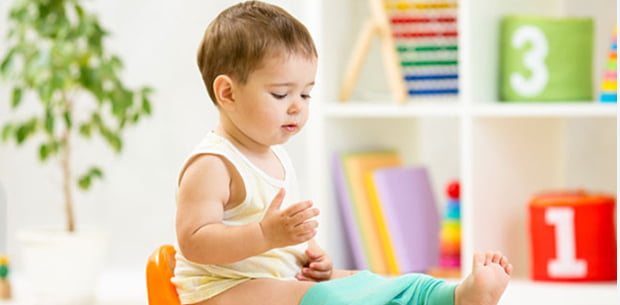
Beyond diet, psychological withholding is a massive factor during the crucial potty training phase. If a child experiences one painful bowel movement, their natural defense mechanism is to hold in the next one to avoid a repeat of that severe pain.
This withholding behavior creates a vicious cycle; the longer the stool remains in the colon, the more water the body absorbs from it. Consequently, the stool becomes even larger, harder, and significantly more painful to finally pass.
Gut Microbiome and Constipation
Environmental stress can also negatively impact your little one’s gut microbiome and bathroom habits. Starting a new daycare, traveling to unfamiliar places, or adjusting to a new sibling can trigger subtle anxieties that manifest physically as constipation.
Creating a calm, unpressured environment around bathroom time is just as important as what you put on their plate. Understanding these underlying triggers empowers you to address the root cause, rather than just treating the temporary symptoms.
How Dehydration Worsens Digestive Struggles
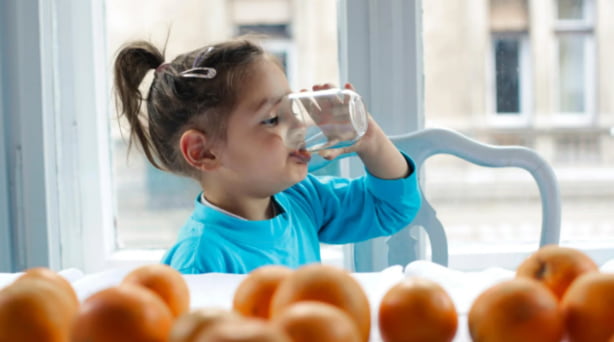
Chronic dehydration forces the colon to draw water directly from waste material, transforming otherwise healthy bowel movements into painful, compact pebbles. Toddlers are notoriously busy exploring their fascinating world, and they often simply forget to stop and drink water. When their little bodies lack adequate hydration, even a high-fiber diet will fail to work correctly.
Fiber needs plenty of water to expand, soften, and smoothly sweep through the delicate digestive tract.
To naturally boost your child’s fluid intake, offer water consistently throughout the day rather than just at meal times. You can make hydration exceptionally fun by using colorful novelty cups, adding a splash of natural fruit juice for flavor, or offering water-rich foods like cucumbers and watermelon.
Pediatricians generally recommend that toddlers consume about two to four cups of water daily, depending on their age and activity level, to maintain optimal digestive health.

The Magical “P” Fruits: Nature’s Best Laxatives
The famous “P” fruits—
- prunes,
- pears,
- peaches and
- plums—
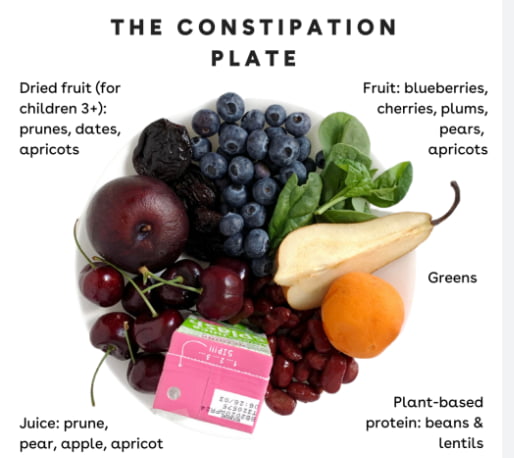
are naturally packed with a unique combination of dietary fiber and sorbitol, acting as gentle, highly effective natural laxatives. When dealing with constipation in toddler stages, these specific fruits are your absolute best friends. Unlike standard fruits, they draw excess water directly into the intestines, which effectively softens the stool and stimulates natural bowel contractions.
This sweet, dietary food approach is far more comforting for your child than forcing medicinal syrups.
The true scientific magic behind these fruits lies in a natural sugar alcohol called sorbitol. According to clinical nutrition studies, the human body digests sorbitol very slowly. As it travels through the colon unabsorbed, it acts as an osmotic laxative, safely pulling water into the gut.
Prunes have the highest concentration of this compound, making prune juice or pureed prunes the gold standard for relieving severe toddler constipation safely and predictably at home.
Fruit Types and Constipation Tips Table
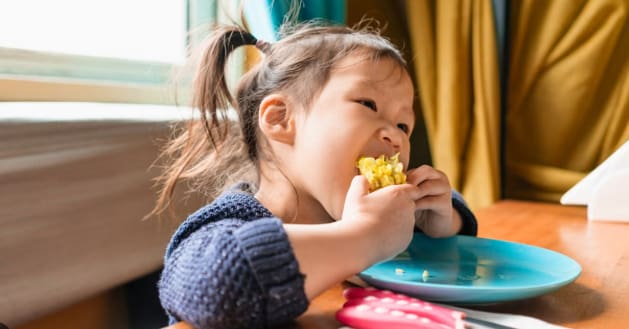
Integrating these powerful “P” fruits into your picky eater’s daily routine requires a bit of sweet, creative parenting. You can blend pears into their morning oatmeal, offer sliced peaches as a refreshing afternoon snack, or mix a small amount of prune juice into their favorite smoothie.
To help you structure their diet, the following structured table breaks down the best ways to serve these natural remedies to maximize their digestive benefits:
| “P” Fruit Type | Best Serving Method for Toddlers | Key Digestive Benefit |
| Prunes | Pureed in oatmeal or 2 oz of diluted juice | Highest sorbitol content for rapid, gentle relief. |
| Pears | Sliced with the skin on or blended in smoothies | Excellent source of water and natural dietary fiber. |
| Peaches | Fresh, soft slices or frozen in homemade popsicles | Mild laxative effect, highly appealing to picky eaters. |
| Plums | Finely diced or served as a soft fruit compote | Rich in both soluble fiber and natural sorbitol. |
The Science Behind Dietary Fiber and Gut Health
A balanced intake of both soluble and insoluble dietary fiber is absolutely critical to adding bulk to the stool and ensuring it moves smoothly through the intestines. Soluble fiber dissolves in water to form a gel-like substance, making the stool beautifully soft and easy to pass.
Insoluble fiber, found in fruit skins and whole grains, acts like a tiny broom, sweeping waste continuously through the digestive tract. Both types are essential for a healthy toddler.

The American Academy of Pediatrics (AAP) recommends that a toddler’s daily fiber intake should roughly equal their age in years plus five grams. For example, a two-year-old child needs approximately seven grams of fiber every single day.
You can easily reach this healthy goal by consistently offering whole grain breads, leaving the nutrient-dense skins on their apples and pears, and regularly serving small portions of fiber-rich beans and legumes alongside their favorite meals.
Gentle and Effective Natural Remedies at Home
Beyond dietary changes, physical techniques like warm baths and gentle abdominal massages can immediately relax the pelvic floor muscles, significantly relieving constipation in toddler discomfort. When a child is in pain, their tiny muscles naturally tense up, making it even harder to pass a stool.
Drawing a warm, soothing bath helps relax their entire body. While they play in the warm water, you can gently massage their lower abdomen in a clockwise, circular motion.
Movement and physical exercise are also highly effective, natural ways to stimulate a sluggish digestive system. Encouraging your toddler to run, jump, and climb actively helps massage their internal organs from the outside. If your child is lying down and struggling with trapped gas, you can perform the “bicycle legs” exercise.
Probiotics and Intestine Relations
Gently push their knees toward their tummy in a bicycling motion; this physical pressure helps physically move gas and stool through the lower intestines.
Finally, incorporating high-quality probiotics into their diet can profoundly balance their delicate gut microbiome, preventing future constipation episodes. Probiotics are the beneficial bacteria that naturally reside in a healthy gut, aiding in food breakdown and nutrient absorption.
You can offer toddler-safe yogurt containing live active cultures or speak to your pediatrician about adding a specific probiotic drop to their morning milk. A healthy gut flora is the ultimate foundation for lifelong digestive wellness and comfort.
Foods to Avoid During a Constipation Flare-Up
When your child is actively struggling to poop, you must temporarily eliminate binding foods, commonly known as the BRAT diet: Bananas, Rice, Applesauce, and Toast. While these specific foods are absolutely wonderful for treating diarrhea, they will severely worsen hard stools during a constipation flare-up.
Unripe bananas, in particular, contain high amounts of resistant starch, which is notoriously difficult for a toddler’s sensitive digestive tract to break down effectively, leading to further intestinal blockages.
Dairy products are another major culprit that should be heavily restricted until your child’s bowel movements return to a normal, soft consistency.
Excessive consumption of whole milk and heavy yogurts can severely slow down gastric emptying. To help your child’s tummy recover rapidly, focus on eliminating these specific binding items:
- High-starch white rice and white pasta.
- Heavy, processed cheeses.
- Green, unripe bananas.
- Fried foods and highly processed sugary snacks.
Frequently Asked Questions (FAQ): Toddler Digestion
How long is too long for a toddler to go without a bowel movement?
The answer is that anything beyond three days warrants close attention. Every child has a uniquely different bathroom schedule; some go twice a day, while others naturally go every other day.
However, if your toddler surpasses the three-day mark, displays visible signs of extreme discomfort, or begins refusing their favorite meals, it is time to intervene.
Should I immediately use glycerin suppositories or over-the-counter laxatives?
Pediatricians strongly advise against using any chemical laxatives or suppositories without explicit medical guidance. While they offer rapid relief, frequent use can actually make the toddler’s bowel dependent on them, worsening the underlying problem.
Always start with the gentle “P” fruits, increased hydration, and physical massage before ever considering any pharmaceutical interventions for your sweet child’s delicate digestive system.
Does regular apple juice help with toddler constipation?
While apple juice does contain some liquids, it is generally much lower in the magical sorbitol than prune or pear juice. In fact, large amounts of the pectin found in applesauce can actually be quite binding.
If you want to use juice as a gentle remedy, always opt for 100% pure prune, pear, or cherry juice, diluted with plenty of fresh water.
When to Call the Pediatrician for Digestive Issues
You should immediately contact your trusted pediatrician if your toddler’s constipation is accompanied by severe abdominal pain, vomiting, extreme lethargy, or visible blood in the stool. While occasional digestive hiccups are completely normal, these specific red flag symptoms can indicate a more serious underlying medical condition, such as a bowel obstruction or an anal fissure.
Never hesitate to seek professional medical reassurance when your strong parental instincts tell you that something is genuinely wrong.
Additionally, if you have diligently tried increasing dietary fiber, utilizing the “P” fruits, and ensuring proper hydration for several weeks with zero improvement, a medical evaluation is absolutely necessary. Chronic constipation can deeply affect a child’s overall growth, mood, and appetite.
Your doctor can gently examine your toddler, rule out any food allergies or anatomical issues, and prescribe a safe, pediatric-grade stool softener to comfortably break the painful cycle of withholding and hard stools.
Pingback: Is Your Toddler Ready to Potty Train? Key Signs & Tips