Editor’s Pick: The primary cause of separation anxiety at bedtime is the cognitive milestone of object permanence, where a child realizes people exist even when unseen. According to developmental psychologists, when babies grasp you are elsewhere, they naturally want to be with you. This cognitive leap triggers an intense fear of abandonment during sleep transitions.
Addressing toddler sleep regressions fueled by separation fears does not mean resorting to harsh methods if that contradicts your values. By combining empathetic parenting with structured bedtime routines, we can gently guide children toward independent sleep.
We will explore the developmental “whys” behind nighttime tears and share nurturing strategies to help your baby feel secure. Let’s reclaim your evenings with love, patience, and deep understanding.
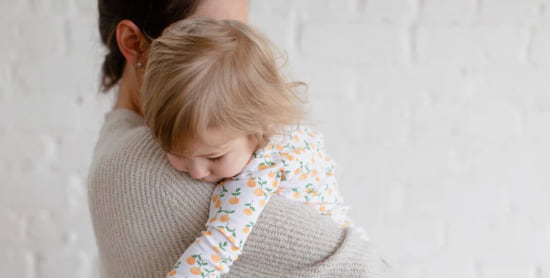
The Root Causes of Bedtime Separation Anxiety
Experiencing separation anxiety at bedtime is a completely normal developmental milestone for babies and toddlers, requiring gentle, consistent responses for peaceful sleep. Welcome to the SweetParent community! If your little one suddenly cries the moment you leave the room, you are not alone.
This nighttime struggle peaks around eight to eighteen months, disrupting family rest. Instead of feeling frustrated, realize this phase signifies healthy attachment and cognitive growth. Your child isn’t manipulating you; their developing brain is simply sounding a false alarm.
Beyond object permanence, biological and environmental factors significantly amplify nighttime separation anxiety. Sleep pressure, overtiredness, and teething pain make it harder for children to self-soothe. When a baby’s cortisol levels rise due to exhaustion, their attachment system goes into overdrive, making physical separation feel genuinely threatening.
This biological stress response explains why a calm toddler might suddenly scream in panic, seeking immediate emotional regulation from a caregiver.
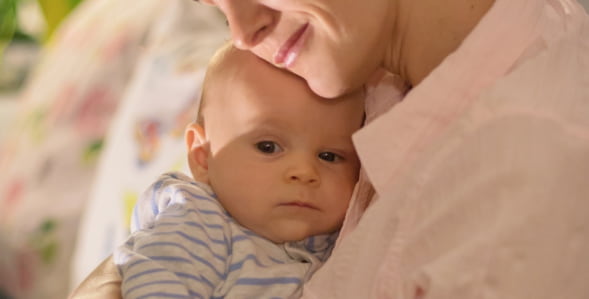
Infant Sleep Training and Separation Fears
Understanding this psychological framework changes how we approach infant sleep training. Instead of viewing protests as bad behavior, we recognize them as a genuine call for emotional co-regulation. Experts emphasize that providing a consistent, loving response builds secure attachment, which paradoxically fosters greater independence.
When a child learns their caregiver always returns, separation fears subside. This foundational trust helps them confidently fall asleep in their own space.
Navigating Object Permanence and Emotional Security
BLUF: You can actively help your child master object permanence during waking hours through playful interactions, directly reducing separation anxiety at bedtime. Classic games like peek-a-boo teach the brain that disappearances are temporary and entirely safe. By practicing micro-separations during the day when the child is rested, you build cognitive resilience.
This playful approach wires their nervous system to deeply understand that when you leave, you always return.
Establishing a strong sense of emotional security requires clear, predictable communication, even with pre-verbal infants. Sneaking out of the room while your baby is distracted spikes separation anxiety because it fundamentally breaks their
. Instead, child development specialists recommend always saying a brief, loving goodbye before leaving the sleep space.
A simple phrase like “I will check on you soon” provides a crucial auditory anchor during the sleep transition.

Gentle Sleep Training for Anxious Toddlers
Implementing a predictable bedtime routine is the most effective gentle strategy to signal to your child’s brain that it is time to wind down. A consistent sequence—such as a warm bath, massage, and a bedtime story—lowers stress hormones and naturally increases melatonin.
This predictability acts as a psychological buffer against separation anxiety at bedtime, because the child knows exactly what is coming next, providing profound comfort.
Another powerful strategy is the fading or “camping out” method, allowing you to slowly fade your physical presence from the room. You start by sitting next to their sleeping area, offering comforting touch until they sleep. Over consecutive nights, you gradually move your chair closer to the door, increasing distance while remaining a reassuring visual presence.
This fading sleep training method supports the child emotionally while they learn independent sleep.

Toddler Sleep Problems and Comfort Items
Introducing a transitional object, like a soft blanket or small stuffed animal, serves as a powerful emotional bridge when you leave. These comfort items carry the familiar scent of the caregiver, acting as a surrogate for parental presence.
Psychological research shows transitional objects are highly effective in mitigating toddler sleep problems and reducing nighttime fears. By deliberately incorporating this item, you empower your little one with a self-soothing tool.
The Role of the Montessori Floor Bed in Fostering Independence
BLUF: Transitioning to a Montessori floor bed can significantly alleviate bedtime anxiety by removing physical barriers and giving the child a sense of autonomy. Unlike traditional cribs, which can feel restrictive and trigger a fight-or-flight response, a floor bed empowers the child to explore their sleep environment.
This approach aligns perfectly with supportive parenting principles. When toddlers feel control over their space, bedtime resistance often decreases naturally.
To make the Montessori floor bed successful for an anxious child, the bedroom must be baby-proofed and transformed into a calming sanctuary. You can lie down next to them on the mattress to provide comfort, making the separation process much more organic than reaching over high crib bars.
This setup fosters deep security and encourages healthy sleep habits, as the child associates their bed with comfort and freedom.

What Not to Do: Common Pitfalls to Avoid
One of the most common mistakes parents make when dealing with separation anxiety at bedtime is sending mixed signals through highly inconsistent responses. If you rock your child to sleep one night and bring them into your bed the next, their developing brain becomes incredibly confused.
This intermittent reinforcement actually prolongs sleep struggles and intensifies clingy behavior. Consistency is the absolute bedrock of any gentle sleep strategy.
Managing middle-of-the-night wakings requires a delicate balance of providing immediate comfort while keeping the interaction extremely low-stimulating. When your child wakes up crying from nighttime separation anxiety, respond promptly to reassure them, but keep lights dim and your voice soft.
Avoid picking them up unless absolutely necessary, opting instead for gentle pats. This subtly reinforces the vital message that while you are there, nighttime is strictly meant for sleeping.

It is also critically important to evaluate your child’s daytime schedule to ensure that overtiredness is not secretly exacerbating their separation fears. Dropping a nap too early or having a wake window that is too long can flood their system with adrenaline, making evening separation infinitely harder.
By meticulously tracking sleep schedules and adjusting nap times according to age-appropriate awake windows, you ensure they approach bedtime perfectly primed for rest.
Separation Fears Strategy Table
To ensure clarity on how to manage nighttime routines, here is a quick breakdown of habits to embrace and those to strictly avoid during this phase:
- Embrace: Predictable nightly routines, comforting transitional objects, and clear, loving goodbyes.
- Avoid: Sneaking out silently, inconsistent responses to crying, and highly stimulating midnight interactions.
| Strategy Type | Action | Impact on Separation Anxiety |
| Helpful Habit | Establishing a 30-minute calming bedtime routine. | Lowers cortisol, increases security, and reduces bedtime resistance. |
| Helpful Habit | Using a Montessori floor bed for shared reading. | Promotes autonomy and makes parental separation feel much more organic. |
| Negative Pitfall | Sneaking out of the room when the baby is distracted. | Breaks foundational trust, spikes adrenaline, and drastically worsens separation fears. |
| Negative Pitfall | Inconsistent responses to nighttime wakings. | Causes intense brain confusion and reinforces long-term toddler sleep problems. |
Frequently Asked Questions (FAQ)
Providing clear answers to common questions about separation anxiety at bedtime empowers parents to navigate this challenging developmental phase with absolute confidence.
When does separation anxiety peak in babies?
Typically, this emotional milestone appears around eight to nine months of age, peaks heavily between fourteen to eighteen months, and gradually resolves by age three. Understanding this biological timeline helps parents remain deeply patient during periods of peak intensity and sleep disruption.
Can sleep training worsen my child’s separation anxiety?
Traditional extinction methods can sometimes exacerbate anxiety in highly sensitive children if they feel abandoned. However, gentle, responsive sleep coaching techniques—like the fading method—actually build profound trust and emotional security. The true key is to fully support your child’s emotional needs while consistently encouraging independent sleep.
Why is my 2-year-old suddenly having separation anxiety at night?
The two-year mark brings a massive surge in imagination and fierce independence, which can trigger a 24-month sleep regression. Their newfound imagination can lead to a fear of the dark. Validating their valid fears and maintaining loving boundaries are the best solutions.
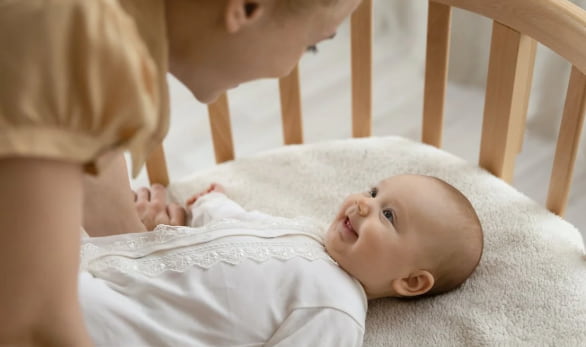
Empowering Your Little One for Peaceful Nights
Guiding your beautiful child through separation anxiety at bedtime is a profound journey of building mutual trust, deep emotional resilience, and lifelong healthy sleep habits. Remember, your baby isn’t intentionally giving you a hard time; they are simply having a hard time navigating a vast world.
By approaching these temporary nighttime struggles with deep empathy, unwavering consistency, and highly gentle techniques, you effectively teach them that independent sleep is safe.
The days of parenting are incredibly long, but these intense developmental phases are fleeting in the grand scheme of childhood. Whether you choose a gradual retreat method or enthusiastically embrace the freedom of a Montessori floor bed, the most important element is your loving presence.
Trust your strong parental instincts, stay firmly consistent with your soothing routines, and know that peaceful, uninterrupted nights are on the horizon. Sweet dreams!